

Introduction to Iron Oxide Pneumatic Conveying: Structure and Working Principles
Iron oxide, a vital industrial material, often requires efficient and reliable transportation methods for its handling and processing. Pneumatic conveying systems have become a preferred solution for moving iron oxide, offering advantages such as reduced dust exposure, enhanced safety, and improved process control. This article provides an overview of iron oxide pneumatic conveying, focusing on its structural design and operational principles, to help users understand the technology's application and benefits.
Company Profile and Background
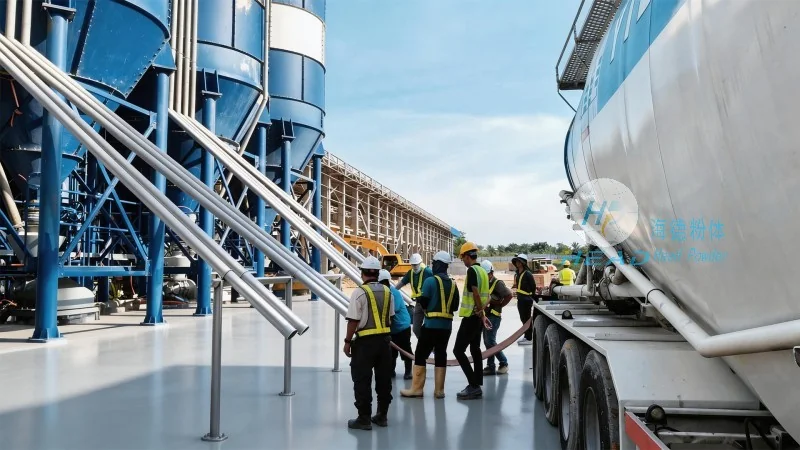
HeadPowder, a leading provider in the field, is represented by Shandong HeadPowder Engineering Co., Ltd., a company based in Shandong, China. With a strong commitment to innovation and quality, HeadPowder specializes in the design, manufacturing, and implementation of pneumatic conveying systems tailored to the unique needs of industrial clients. The company's expertise in material handling solutions has positioned it as a trusted partner for businesses requiring efficient and safe transportation of iron oxide and other bulk materials.
Overview of Iron Oxide Pneumatic Conveying
Pneumatic conveying, also known as pneumatic transport, is a method of moving bulk materials through a pipeline using air or other gas as the conveying medium. In the context of iron oxide, this technology is particularly valuable due to the material's properties, which may include fine particle size and potential dust generation during handling. The system typically involves a series of components that work in tandem to ensure smooth and efficient material transport. Key elements include a hopper for material storage, a feeder to control the flow rate, a conveying line where the material is propelled by air, and a receiver for the material's deposition at the destination. The entire process is designed to minimize material degradation, maintain consistent flow rates, and ensure operational safety.
Structural Components and Design Considerations
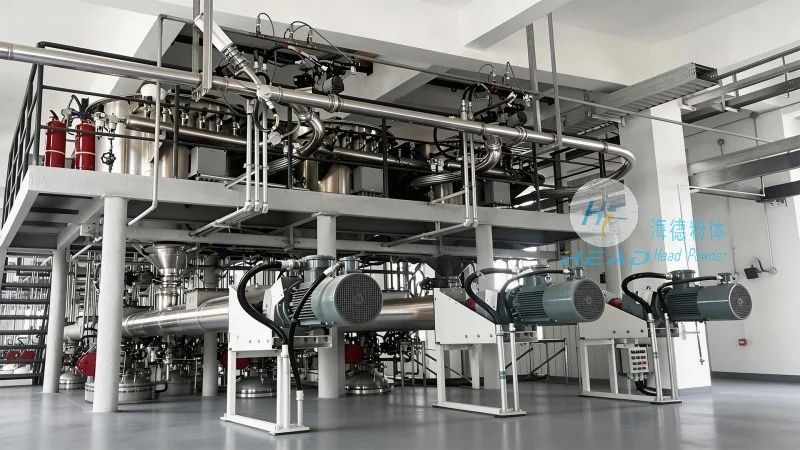
The structural design of an iron oxide pneumatic conveying system is crucial for its effectiveness and longevity. The system's components are engineered to handle the specific characteristics of iron oxide, such as its density, particle size distribution, and potential for abrasiveness. The hopper, for instance, is often designed with a sloped interior to facilitate material flow and prevent clogging. The feeder, which may be a rotary valve or a screw feeder, is selected based on the material's flowability and the required discharge rate. The conveying line itself is typically made of materials resistant to corrosion and wear, such as stainless steel or specialized alloys, to withstand the abrasive nature of iron oxide particles. Additionally, the system may include features like pressure vessels or vacuum pumps to control the air flow and maintain the desired conveying pressure. The receiver, where the iron oxide is deposited, is designed to prevent dust leakage and ensure easy material discharge.
Working Principles and Operational Mechanics
The operational mechanics of iron oxide pneumatic conveying involve the interaction between the material and the conveying medium. The process generally starts with the material being loaded into the hopper. The feeder then regulates the amount of material that enters the conveying line. As the material moves through the pipeline, it is propelled by the air flow, which can be generated by a positive pressure system (where air is forced into the line) or a negative pressure system (where air is drawn out of the line). The air velocity is carefully controlled to ensure that the material particles are suspended and transported without settling or causing blockages. The system's control mechanisms, including pressure sensors and flow meters, monitor the process in real-time to maintain optimal performance. This dynamic control allows for adjustments to be made based on variations in material properties or system conditions, ensuring consistent and reliable operation.
Advantages and Applications of Iron Oxide Pneumatic Conveying
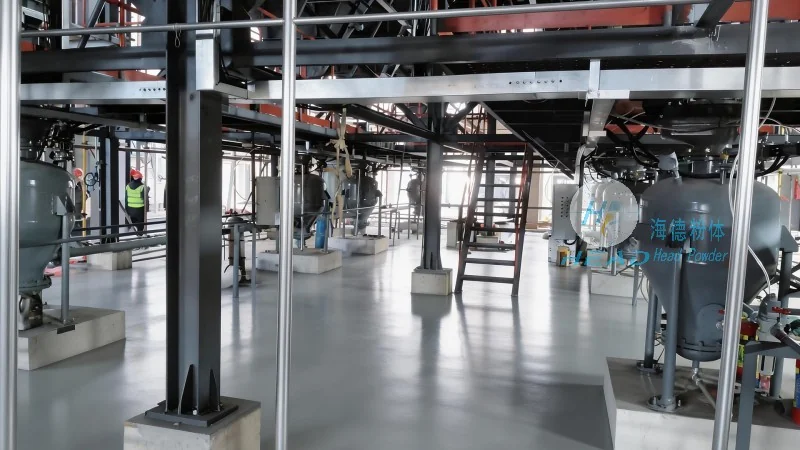
Iron oxide pneumatic conveying offers several advantages that make it an attractive choice for industrial applications. One of the primary benefits is the reduction of dust exposure, which enhances workplace safety and compliance with environmental regulations. The enclosed system also minimizes material loss and contamination, preserving the quality of the iron oxide. Additionally, pneumatic conveying systems can be integrated with other processing equipment, such as reactors or mixers, to streamline production workflows. The technology is widely used in industries like metallurgy, chemical manufacturing, and pharmaceuticals, where the efficient handling of iron oxide is critical. For example, in metallurgical processes, iron oxide may be conveyed to furnaces for smelting, while in chemical applications, it may be transported to reactors for further processing. The versatility of pneumatic conveying makes it suitable for a range of applications, from small-scale laboratory operations to large-scale industrial production.
Conclusion and Future Outlook
In conclusion, iron oxide pneumatic conveying is a sophisticated and effective method for transporting iron oxide, combining advanced structural design with precise operational control. The technology addresses the challenges associated with handling iron oxide, such as dust generation and material degradation, while offering benefits like enhanced safety and process efficiency. As industrial demands for efficient material handling continue to grow, the importance of pneumatic conveying systems will likely increase. Companies like Shandong HeadPowder Engineering Co., Ltd. play a vital role in advancing this technology, providing customized solutions that meet the evolving needs of the industry. With ongoing innovations in material handling, the future of iron oxide pneumatic conveying looks promising, with continued improvements in efficiency, reliability, and environmental sustainability.