

Introduction to Desulfurization and Denitrification Agent Pneumatic Conveying Systems: Structure and
Desulfurization and denitrification are critical processes in modern industrial emissions control, aiming to reduce harmful pollutants like sulfur dioxide (SO₂) and nitrogen oxides (NOₓ) from flue gases. The efficiency of these processes is heavily dependent on the reliable and efficient transportation of desulfurization and denitrification agents. Pneumatic conveying systems have emerged as a preferred solution for this purpose, offering advantages such as non-contact material handling, flexibility in layout, and reduced maintenance compared to traditional methods. This article, presented by Shandong HeadPowder Engineering Co., Ltd. (headpowder), provides an overview of the desulfurization and denitrification agent pneumatic conveying system, detailing its structural components and operational principles.
Key Components of the Pneumatic Conveying System
The desulfurization and denitrification agent pneumatic conveying system typically consists of several key components that work in tandem to ensure effective material transport. The primary components include a material feeder, a conveying pipeline, a blower or air compressor, a dust separator, and a control system. Each component plays a vital role in the overall operation of the system.
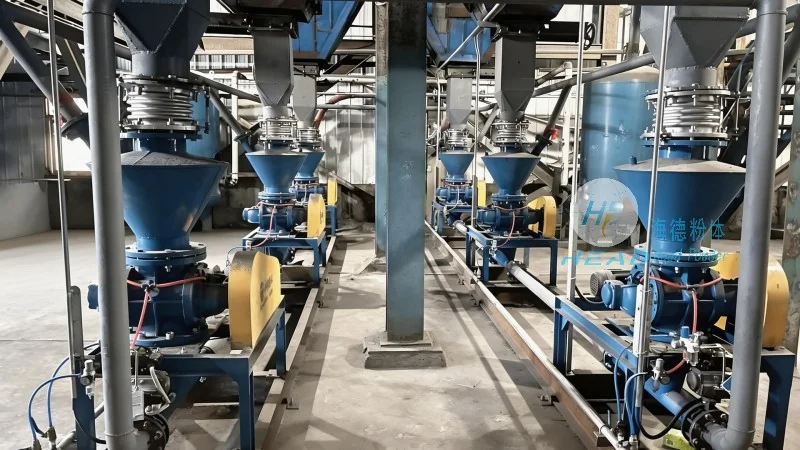
The material feeder is responsible for introducing the desulfurization or denitrification agent into the conveying system. It can be a rotary valve, a screw feeder, or a hopper with a gate valve, depending on the material characteristics and flow rate requirements. The feeder ensures a consistent and controlled supply of the agent to the pipeline, preventing blockages and maintaining stable operation.
The conveying pipeline is the main channel through which the material is transported. It is usually made of stainless steel or other corrosion-resistant materials to withstand the chemical properties of the desulfurization and denitrification agents. The pipeline design, including the diameter and length, is carefully selected to optimize the conveying efficiency and minimize pressure losses. The pipeline may also include bends, elbows, and other fittings to adjust the direction of flow and accommodate the layout of the system.
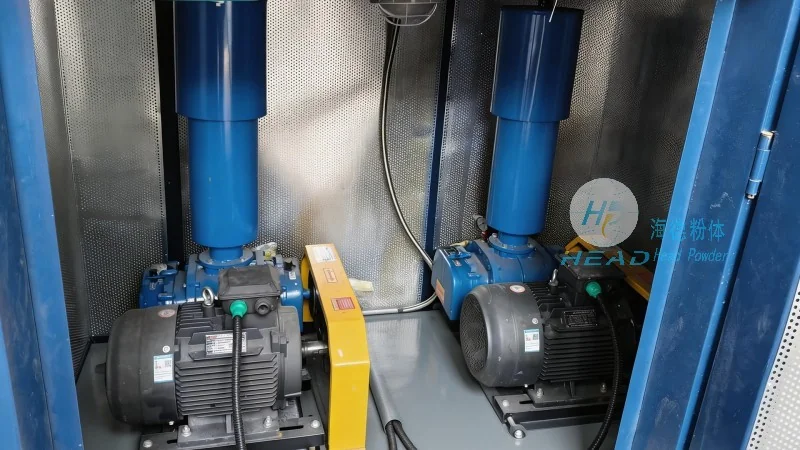
The blower or air compressor provides the necessary air or gas flow to move the material particles through the pipeline. The choice of equipment depends on the material's density, particle size, and the required conveying velocity. High-pressure blowers are commonly used for dense or fine particles, while low-pressure systems are suitable for lighter materials. The blower's capacity and pressure must be matched to the system's requirements to ensure efficient material transport without excessive energy consumption.
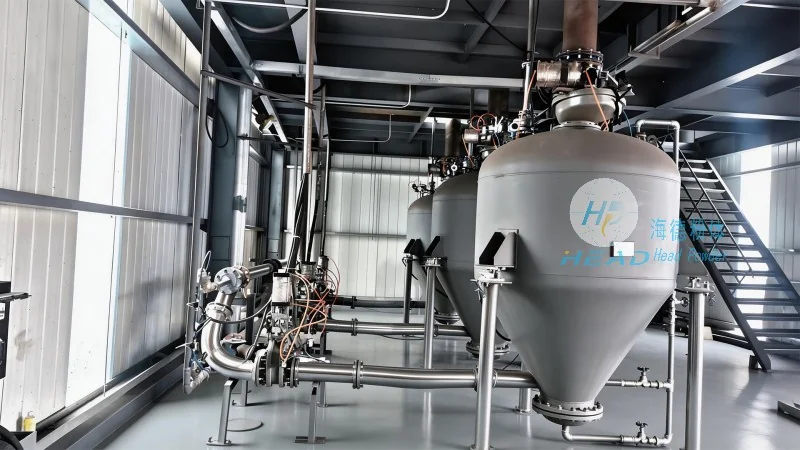
The dust separator is a crucial component that separates the conveyed material from the air stream at the end of the pipeline. This separation is essential to recover the desulfurization or denitrification agent and prevent air pollution. Common dust separation methods include cyclone separators, bag filters, and electrostatic precipitators. The selected separator is based on the particle size distribution and the required recovery efficiency.
The control system monitors and regulates the operation of the entire pneumatic conveying system. It includes sensors for pressure, flow rate, and material level, as well as control valves and actuators. The control system ensures that the system operates within safe and efficient parameters, automatically adjusting the feeder speed, blower pressure, and other variables as needed. This automation enhances the system's reliability and reduces the need for manual intervention.
Working Principles of the Pneumatic Conveying System
The operation of the desulfurization and denitrification agent pneumatic conveying system follows a specific sequence of steps to transport the material from the source to the destination. The process begins with the material feeder introducing the agent into the conveying pipeline. Simultaneously, the blower generates a high-velocity air stream that entrains the material particles, creating a slurry or suspension of the agent in the air.
As the air and material mixture travels through the pipeline, it encounters various components such as bends and fittings. The design of these components is critical to maintain the stability of the material-air mixture and prevent particle separation or deposition. The pipeline's smooth interior and appropriate diameter help minimize friction losses and ensure consistent conveying velocity.
Upon reaching the end of the pipeline, the mixture enters the dust separator. The centrifugal force in the cyclone separator or the filtration action in the bag filter causes the material particles to separate from the air stream. The separated material is collected in a hopper or storage tank, ready for use in the desulfurization or denitrification process. The clean air, now free of particles, is discharged to the atmosphere or recirculated if necessary.
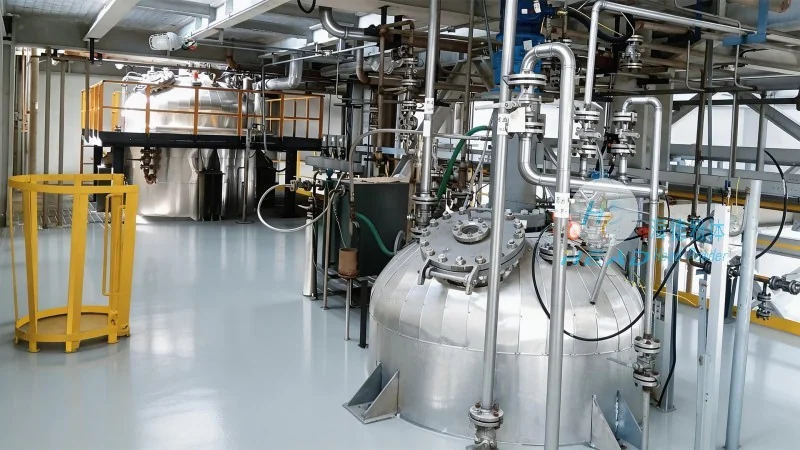
The control system continuously monitors the pressure and flow rate in the pipeline and adjusts the blower speed or feeder rate to maintain optimal operation. If the system experiences a blockage or pressure drop, the control system may activate alarms or automatically adjust the parameters to restore normal operation. This feedback mechanism ensures the system's reliability and efficiency.
Advantages of the Pneumatic Conveying System
The desulfurization and denitrification agent pneumatic conveying system offers several advantages over traditional material handling methods. One of the primary benefits is the non-contact handling of the material, which eliminates the risk of contamination and reduces wear and tear on equipment. This is particularly important for desulfurization and denitrification agents, which may be corrosive or reactive.
Another advantage is the flexibility in system layout. Pneumatic conveying systems can be easily adapted to different plant layouts, with pipelines installed in various orientations and locations. This flexibility allows for the integration of the system into existing facilities without major structural modifications.
The system also provides a high degree of automation, reducing the need for manual labor and improving operational safety. The control system can monitor and adjust the process parameters in real-time, ensuring consistent performance and minimizing downtime. Additionally, the system can handle a wide range of material types and particle sizes, making it suitable for various industrial applications.
From an environmental perspective, the pneumatic conveying system helps reduce emissions by minimizing material spillage and dust release during transportation. The dust separator effectively recovers the agent, preventing it from being released into the atmosphere. This contributes to better air quality and compliance with environmental regulations.
Applications in Industrial Emissions Control
The desulfurization and denitrification agent pneumatic conveying system is widely used in power plants, chemical industries, and other facilities that require efficient handling of desulfurization and denitrification agents. In power plants, the system transports limestone or other alkaline materials to the desulfurization reactors, ensuring a consistent supply for SO₂ absorption. In chemical industries, it handles various absorbents and catalysts used in denitrification processes, facilitating the removal of NOₓ from flue gases.
The system's ability to handle fine particles and maintain high conveying efficiency makes it ideal for applications where material loss or contamination is unacceptable. For example, in the production of desulfurization reagents, the system ensures that the reagent is transported without degradation, preserving its effectiveness in the emissions control process.
Moreover, the system's reliability and low maintenance requirements contribute to its adoption in critical industrial processes. The consistent operation of the pneumatic conveying system ensures that the desulfurization and denitrification processes run smoothly, reducing the risk of equipment failure and emissions violations.
Conclusion
The desulfurization and denitrification agent pneumatic conveying system is a sophisticated and efficient solution for transporting critical materials in industrial emissions control. Its combination of structural components and operational principles enables reliable and high-performance material handling, contributing to the effectiveness of desulfurization and denitrification processes. By understanding the system's design and working mechanisms, industrial facilities can optimize their material transport operations and enhance overall emissions control performance.