

Introduction to the Structure and Working Principle of Manganese Carbonate Pneumatic Conveying Equip
HeadPowder, a leading manufacturer based in Shandong, China, specializes in the design and production of advanced pneumatic conveying systems tailored for the handling of manganese carbonate. This article provides a comprehensive overview of the equipment's structure and operational principles, highlighting its efficiency and reliability in material transport applications.
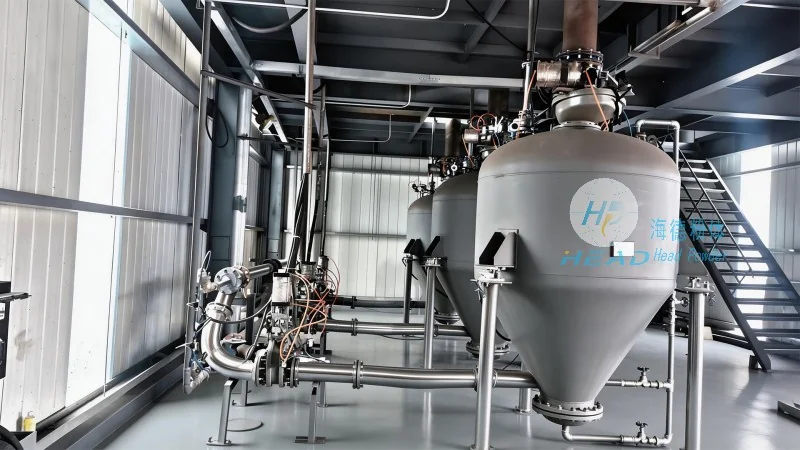
Overview of Manganese Carbonate Pneumatic Conveying Equipment
Manganese carbonate, a critical raw material in various industrial processes, requires efficient and safe handling to maintain product quality and operational safety. The pneumatic conveying equipment designed by Shandong HeadPowder Engineering Co., Ltd. addresses these needs through a sophisticated system that combines mechanical and pneumatic technologies. This equipment is engineered to handle the unique characteristics of manganese carbonate, ensuring minimal degradation and optimal performance in industrial settings.
Key Structural Components of the Pneumatic Conveying System
The pneumatic conveying system for manganese carbonate consists of several integral components, each playing a crucial role in the overall operation. The primary components include the material feed hopper, the air supply unit, the conveying pipeline, the separation and collection system, and the control panel. Each component is meticulously designed to ensure seamless integration and efficient material transport.
The material feed hopper is responsible for storing and feeding the manganese carbonate into the system. It is equipped with a feeding mechanism that controls the flow rate, preventing overloading and ensuring a consistent supply of material. The hopper is typically made of durable materials such as stainless steel to withstand the corrosive nature of manganese carbonate and maintain hygiene standards.
The air supply unit, often a blower or a compressor, generates the necessary air pressure to move the material through the pipeline. The choice of air supply equipment depends on the system's capacity and the distance the material needs to be conveyed. The unit is designed to provide a stable and consistent airflow, which is essential for maintaining the conveying efficiency and preventing material degradation.
The conveying pipeline is a critical component that transports the material from the feed hopper to the collection point. It is constructed from materials resistant to corrosion and wear, such as stainless steel or high-grade plastic, to ensure long-term durability. The pipeline is typically equipped with bends and fittings that are designed to minimize pressure loss and maintain the material's flow characteristics.
The separation and collection system is responsible for separating the material from the air and collecting it in a designated container. This system includes a cyclone separator or a bag filter, which effectively separates the solid particles from the air stream. The collected material is then discharged into a storage bin or a processing unit, ensuring a clean and efficient material handling process.
The control panel is an essential part of the system, allowing operators to monitor and control the conveying process. It includes sensors and indicators that provide real-time data on the material flow rate, air pressure, and system status. The control panel is designed to be user-friendly, enabling operators to adjust the system parameters as needed to optimize performance and ensure safety.
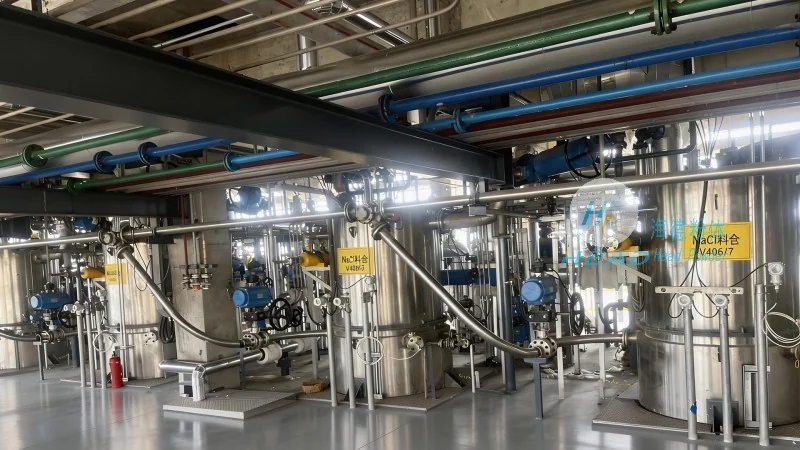
Working Principle of the Pneumatic Conveying Process
The operation of the manganese carbonate pneumatic conveying system follows a systematic process that ensures efficient material transport. The process begins with the material being fed from the hopper into the pipeline. The air supply unit then generates a high-pressure air stream that carries the material particles through the pipeline. As the material travels through the pipeline, it is suspended in the air stream, which allows it to be transported over long distances without the need for mechanical components.
The conveying process relies on the principle of fluidization, where the material particles are kept in suspension by the air flow. This principle ensures that the material moves smoothly through the pipeline, minimizing friction and wear on the system components. The air flow rate is carefully controlled to maintain the optimal suspension of the material particles, preventing clogging and ensuring consistent conveying efficiency.
At the receiving end of the pipeline, the separation system comes into play. The high-speed air stream enters the separator, where the material particles are separated from the air due to their higher density. The separated material is then collected in a container, while the air is either recirculated or discharged to the atmosphere. This separation process is crucial for maintaining the purity of the material and preventing contamination.
The entire process is monitored and controlled by the system's control panel, which provides real-time feedback on the material flow rate, air pressure, and system status. Operators can adjust the system parameters, such as the air flow rate or the feed rate, to optimize the conveying process and ensure that the system operates at its peak efficiency. This control capability is essential for maintaining the quality of the manganese carbonate and ensuring the smooth operation of the industrial process.
Advantages of the Manganese Carbonate Pneumatic Conveying Equipment
The pneumatic conveying system designed by Shandong HeadPowder Engineering Co., Ltd. offers several advantages over traditional material handling methods. One of the primary advantages is the ability to handle the material in a closed system, which prevents dust contamination and ensures a clean working environment. This is particularly important for manganese carbonate, which can be a source of dust and air pollution if not handled properly.
Another advantage is the high efficiency of the system, which allows for the transport of large quantities of material over long distances with minimal energy consumption. The system's design minimizes pressure loss and ensures that the material is conveyed at a consistent speed, reducing the risk of material degradation and improving overall productivity.
The system also offers flexibility in terms of layout and installation. It can be customized to fit the specific requirements of the industrial process, including the distance to be conveyed, the material flow rate, and the space constraints. This flexibility makes the system suitable for a wide range of applications, from small-scale operations to large industrial plants.
Furthermore, the equipment is designed for easy maintenance and operation. The components are easily accessible, allowing for quick inspection and repair. The control panel provides clear indicators and warnings, enabling operators to identify and address any issues promptly. This reduces downtime and ensures the system operates reliably over its service life.
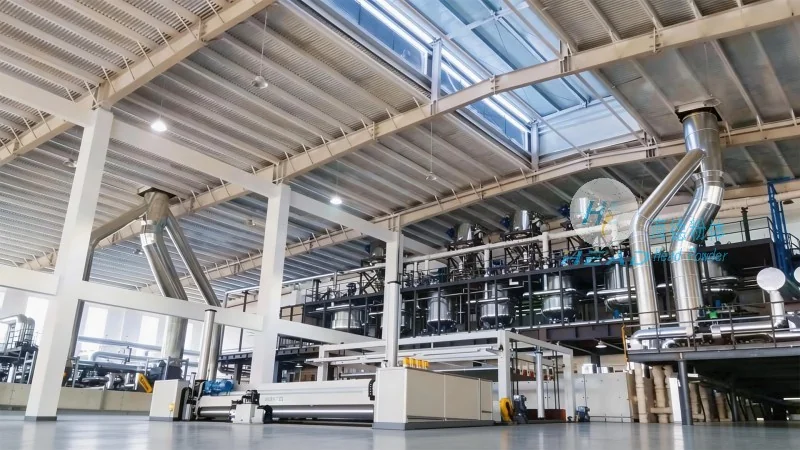
Application and Industrial Use Cases
The manganese carbonate pneumatic conveying equipment is widely used in various industrial applications, particularly in the chemical and metallurgical industries. It is commonly used in the production of manganese compounds, where the material needs to be transported from storage to processing units or from one production stage to another.
In the chemical industry, the equipment is used to transport manganese carbonate to reactors or mixing tanks, ensuring a consistent supply of raw material for the production of manganese-based chemicals. The closed system design prevents contamination and maintains the purity of the material, which is critical for the quality of the final products.
In the metallurgical industry, the equipment is used to transport manganese carbonate to smelting furnaces or other processing equipment. The efficient and reliable transport of the material ensures that the production process runs smoothly and efficiently, reducing the risk of material shortages or process interruptions.
Additionally, the equipment is used in other industries where manganese carbonate is a key component, such as the battery manufacturing industry. The ability to handle the material in a closed system and maintain its quality is essential for producing high-quality batteries, which require precise control over the raw material composition.
Conclusion and Future Developments
The pneumatic conveying equipment for manganese carbonate, as designed by Shandong HeadPowder Engineering Co., Ltd., represents a significant advancement in material handling technology. Its sophisticated design and efficient operation make it an ideal solution for industries that require the safe and reliable transport of manganese carbonate.
As technology continues to evolve, the company is committed to developing new and improved systems that further enhance the efficiency and reliability of material handling processes. Future developments may include the integration of advanced sensors and automation systems, which will enable even more precise control and monitoring of the conveying process.
Overall, the manganese carbonate pneumatic conveying equipment from HeadPowder is a testament to the company's expertise in engineering and manufacturing. It provides a reliable and efficient solution for industries that rely on manganese carbonate, ensuring that the material is handled safely and effectively throughout the production process.