

Introduction to Sodium Hydroxide Pneumatic Conveying Equipment: Structure and Working Principle
Shandong HeadPowder Engineering Co., Ltd., a leading enterprise in the field of powder processing and conveying technology, specializes in providing advanced solutions for the handling of sodium hydroxide and other bulk materials. Headquartered in Shandong, China, the company has established itself as a trusted partner for industries requiring efficient and reliable pneumatic conveying systems. This article provides an overview of the sodium hydroxide pneumatic conveying equipment, detailing its structural design and operational principles.
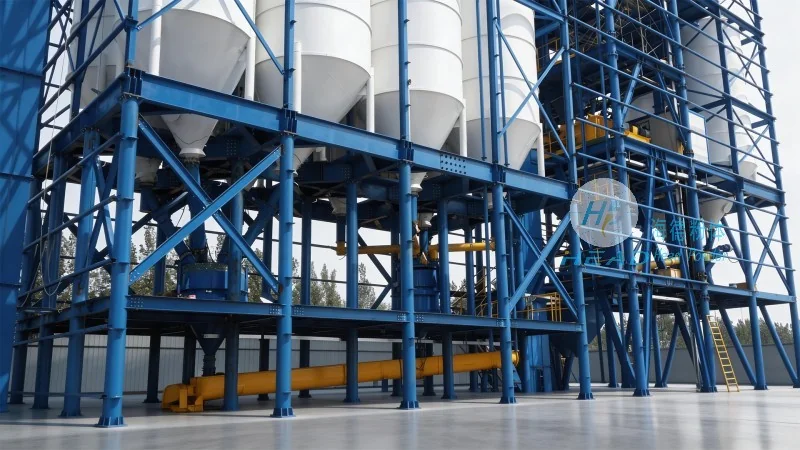
Understanding Sodium Hydroxide Pneumatic Conveying Systems
Sodium hydroxide, commonly known as caustic soda, is a highly reactive and corrosive chemical widely used in various industrial applications, including chemical manufacturing, paper production, and water treatment. The safe and efficient transportation of this material is crucial to ensure operational safety and maintain product integrity. Pneumatic conveying systems offer a solution by utilizing air or gas to transport bulk materials through a pipeline network, eliminating the need for mechanical components that may be prone to wear and tear or contamination.
Structural Components of the Pneumatic Conveying Equipment
The sodium hydroxide pneumatic conveying equipment consists of several key components that work in tandem to facilitate material transport. These include the material feed hopper, which stores and feeds the sodium hydroxide into the system; the air compressor or blower, which generates the necessary air pressure to move the material; the conveying pipeline, which forms the main transport path; and the control valves and regulators, which manage the air flow and pressure. Additionally, the system may incorporate dust collection and filtration units to ensure environmental compliance and protect the equipment from particulate buildup.
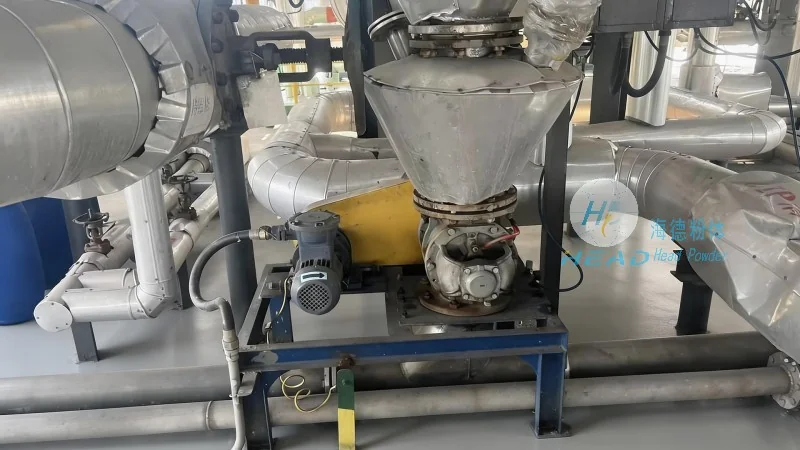
Working Principle of the Pneumatic Conveying System
The operation of the sodium hydroxide pneumatic conveying system is based on the principle of fluidization and suspension. The air compressor generates a high-pressure air stream that is introduced into the conveying pipeline. As the air flows through the pipeline, it interacts with the sodium hydroxide particles in the feed hopper, creating a slurry-like mixture. This mixture is then carried through the pipeline by the air current, with the particles suspended in the air stream. The system may use either positive pressure or negative pressure (vacuum) to move the material, depending on the specific application requirements. The control valves and regulators adjust the air flow rate and pressure to maintain optimal conveying conditions, ensuring consistent material transport without clogging or degradation.
Technical Advantages of the Equipment
The pneumatic conveying equipment for sodium hydroxide offers several technical advantages over traditional mechanical conveying methods. Firstly, it eliminates the need for moving parts such as conveyors or buckets, reducing maintenance costs and minimizing the risk of mechanical failure. Secondly, the system provides a closed-loop operation, preventing dust emissions and protecting the environment from contamination. Thirdly, the equipment can handle a wide range of particle sizes and moisture contents, making it versatile for various industrial applications. Additionally, the system allows for precise control over the conveying rate and pressure, ensuring consistent material flow and product quality.
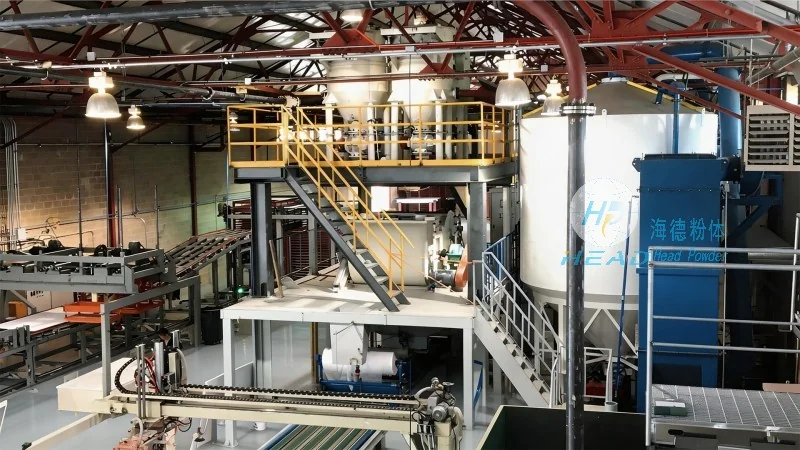
Application Scenarios and Industry Use Cases
The sodium hydroxide pneumatic conveying equipment is widely used in industries where the safe and efficient transport of caustic soda is critical. In chemical manufacturing, the system is employed to transport sodium hydroxide from storage tanks to reaction vessels, ensuring a continuous supply of the material. In the paper industry, the equipment is used to convey sodium hydroxide from processing units to treatment facilities, maintaining the quality of the paper production process. In water treatment plants, the system is utilized to transport sodium hydroxide for pH adjustment and water purification, ensuring the treated water meets regulatory standards. The equipment's versatility and reliability make it suitable for a variety of industrial applications, providing a cost-effective solution for bulk material handling.
Quality Assurance and Maintenance
Shandong HeadPowder Engineering Co., Ltd. places a strong emphasis on quality assurance and maintenance of the pneumatic conveying equipment. The company uses high-quality materials and components in the construction of the system, ensuring durability and resistance to corrosion from sodium hydroxide. Regular maintenance procedures are implemented to check for wear and tear in the air compressor, pipeline, and control valves, ensuring the system operates at optimal performance levels. The company also provides technical support and training to customers, helping them to maintain the equipment effectively and extend its service life. By adhering to strict quality standards and maintenance protocols, HeadPowder ensures that its pneumatic conveying equipment delivers reliable and efficient performance for its clients.