

Introduction to the CaC2 Purification Ash Powder Conveying System: Structure and Working Principle
The CaC2 purification ash powder conveying system is a specialized industrial solution designed for the efficient handling and transportation of ash powders generated during the calcium carbide (CaC2) purification process. As a key component in the chemical and metallurgical industries, this system ensures safe, reliable, and low-dust operation, addressing the unique challenges posed by the material's properties such as high moisture content, abrasive nature, and potential reactivity. The system is engineered to meet stringent environmental and operational standards, making it an essential asset for facilities involved in CaC2 production and downstream processing. With a focus on durability and performance, the system is built to withstand the harsh conditions associated with ash handling, including exposure to acidic and corrosive substances, high temperatures, and abrasive particles. This robust design ensures long-term reliability and minimal downtime, supporting the continuous operation of industrial facilities.
Key Components and Structural Design
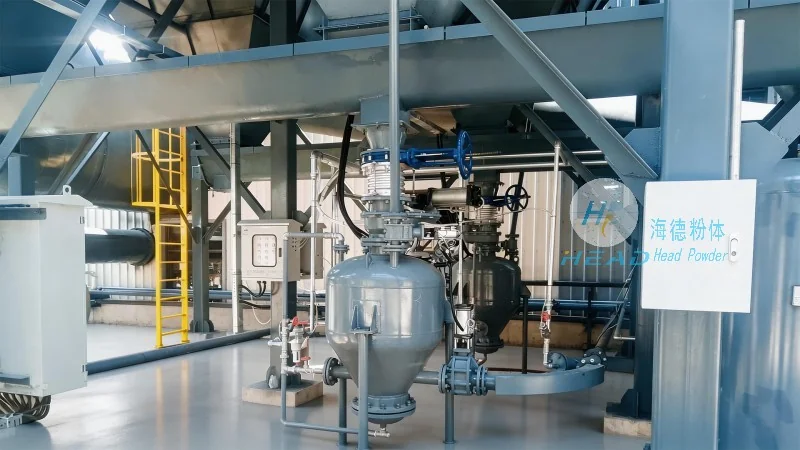
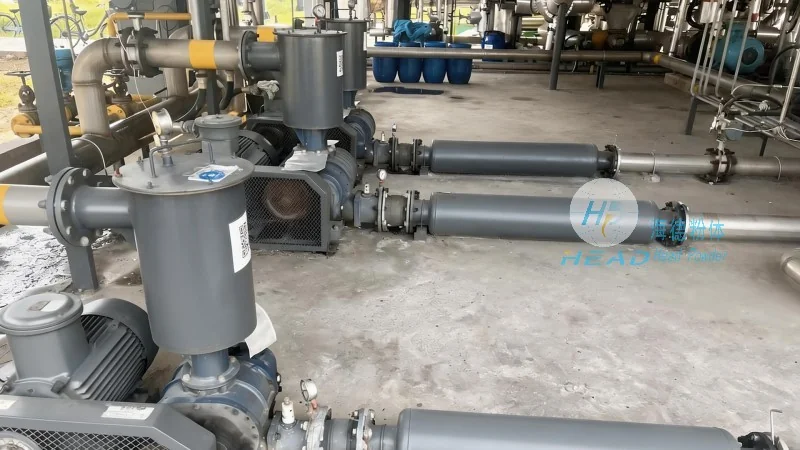
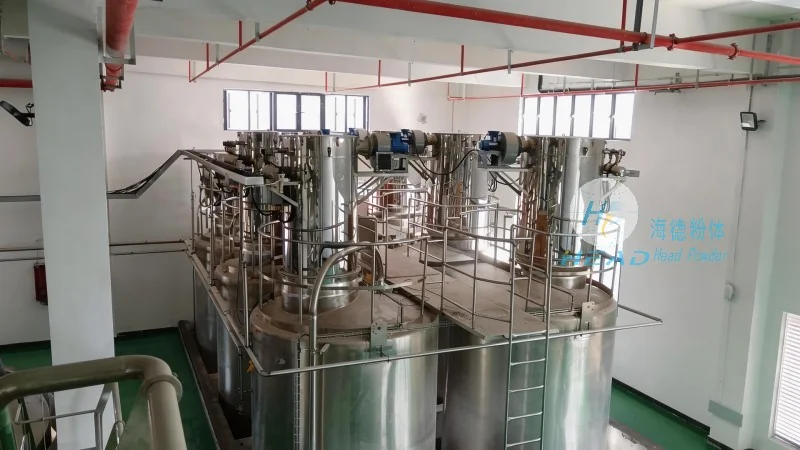
The conveying system comprises several critical components, each optimized for performance and durability. The primary elements include a hopper for material storage, a rotary valve or feeder for controlled discharge, a flexible hose or tube (often made of high-quality rubber or PTFE) to transport the powder, and a receiving hopper or silo at the destination. The hopper is typically equipped with a lining made of corrosion-resistant materials, such as stainless steel or special alloys, to prevent degradation from the acidic ash. The feeder, often a rotary valve or screw feeder, ensures a consistent flow rate by metering the material at a pre-determined speed, preventing blockages and maintaining system efficiency. The flexible hose is designed with reinforced inner and outer layers, incorporating materials like high-density polyethylene (HDPE) or reinforced rubber, to withstand the abrasive nature of the ash and the potential for pressure fluctuations during operation. The hose is connected to both the feeder and the receiving hopper via robust fittings, ensuring a secure and leak-proof connection. The receiving hopper is equipped with a discharge valve, such as a gate valve or slide valve, to control the final release of the material, ensuring smooth integration with downstream processes like storage or further processing. Additionally, the system may include a dust collection system or filtration unit to capture any airborne particles, enhancing safety and compliance with environmental regulations.