

Common CaC2 Dust Removal and Conveying Methods: Advantages of HeadPowder's Pneumatic Conveying System
CaC2 dust, also known as calcium carbide dust, is a byproduct from the production and processing of calcium carbide. Efficient removal and conveying of this dust are crucial for maintaining operational safety, environmental compliance, and process efficiency in industrial settings. The choice of conveying method significantly impacts the overall performance and cost-effectiveness of dust handling systems. This article explores common methods for CaC2 dust removal and conveying, with a focus on the advantages of HeadPowder's pneumatic conveying system.
1. Traditional Conveying Methods and Their Limitations
Historically, CaC2 dust has been handled using various conventional methods such as screw conveyors, belt conveyors, and manual shoveling. While these methods are straightforward, they often present several challenges. Screw and belt conveyors may suffer from material buildup, blockages, and wear due to the abrasive nature of CaC2 dust. Manual shoveling is labor-intensive, poses health risks from dust inhalation, and is inefficient for large-scale operations. These traditional approaches may also lead to increased maintenance costs and environmental pollution if proper dust control measures are not implemented.
2. Pneumatic Conveying: A Modern Solution for CaC2 Dust Handling
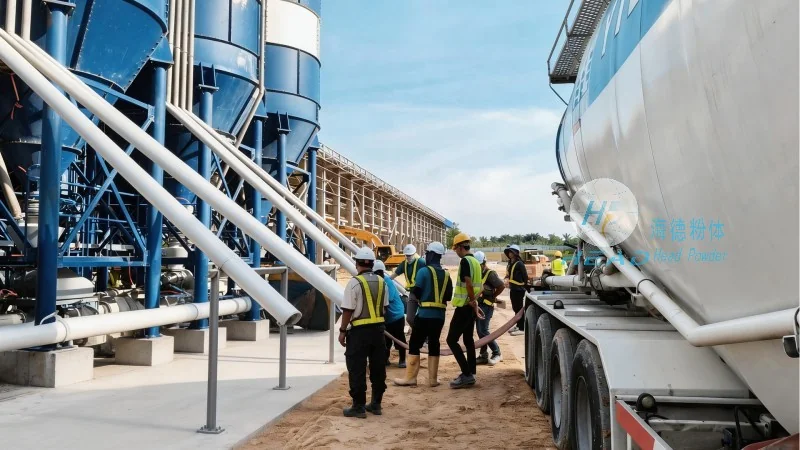
Pneumatic conveying systems utilize air to transport bulk materials like CaC2 dust through a pipeline network. This method offers several advantages over traditional mechanical conveyors. Pneumatic systems can handle fine, abrasive, and potentially hazardous materials without the risk of mechanical blockages or wear. They also provide better dust containment, reducing the risk of environmental contamination and occupational health hazards. The flexibility of pneumatic conveying allows for complex system designs, including vertical and horizontal transport, as well as integration with other process equipment.
3. HeadPowder's Pneumatic Conveying System: Key Advantages
HeadPowder, a leading provider of industrial dust handling solutions, specializes in developing advanced pneumatic conveying systems tailored for CaC2 dust applications. The company's solutions are designed to address the unique challenges of handling this material, ensuring reliable and efficient operation. Key advantages of HeadPowder's system include:
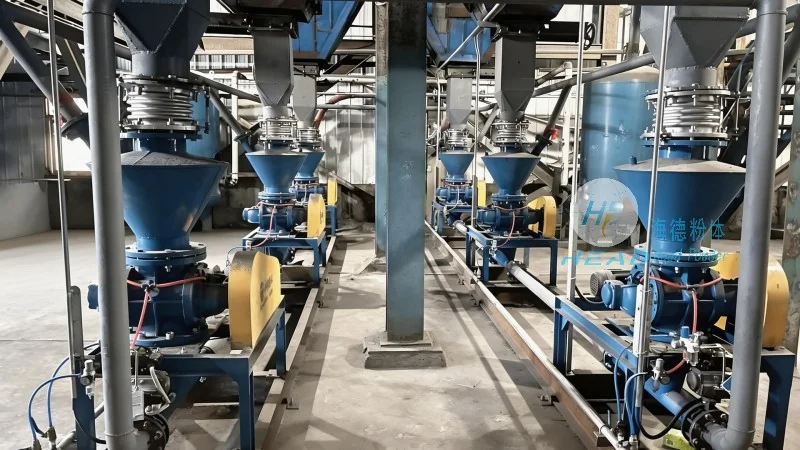
High Efficiency and Reliability: The system is engineered for consistent performance, minimizing downtime and ensuring continuous material transport. Advanced control systems and robust components contribute to long-term reliability, even in demanding industrial environments.
Optimized Material Handling: HeadPowder's pneumatic conveying system is specifically designed to handle the characteristics of CaC2 dust, including its fine particle size and abrasive properties. The system uses specialized nozzles and pipeline configurations to prevent blockages and ensure smooth material flow.
Enhanced Safety and Environmental Compliance: By using enclosed pneumatic transport, the system effectively contains dust, reducing emissions and protecting both personnel and the environment. This aligns with stringent environmental regulations and promotes a safer workplace.
Customizable and Scalable Solutions: HeadPowder offers tailored solutions that can be scaled to meet the specific needs of different industrial applications. Whether for small-scale dust removal or large-scale production facilities, the system can be adapted to fit the operational requirements and space constraints of the facility.
4. Technical Specifications and Application Examples
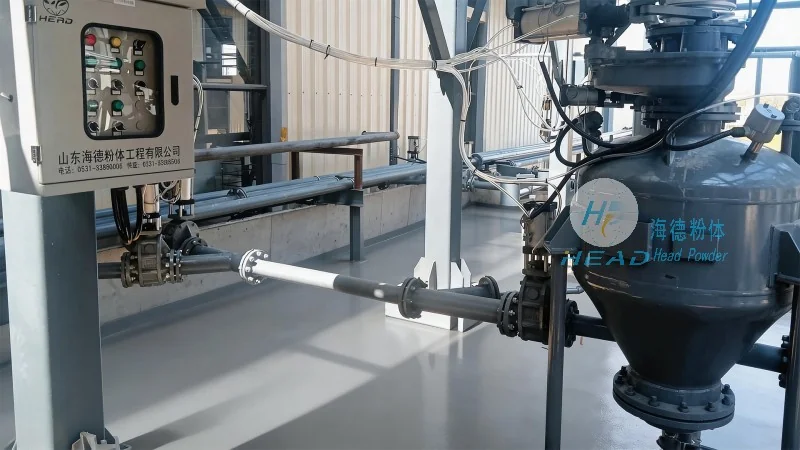
HeadPowder's pneumatic conveying system for CaC2 dust is equipped with advanced technology to ensure optimal performance. The system typically includes components such as air compressors, dust collectors, and conveying pipelines. The air compressor provides the necessary pressure and volume to transport the dust through the system, while the dust collector ensures that any particles are captured and returned to the process or disposed of properly. The conveying pipelines are constructed from durable materials, such as stainless steel, to withstand the abrasive nature of CaC2 dust and prevent corrosion.
Applications of HeadPowder's system range from small-scale dust removal in laboratory settings to large-scale industrial operations in calcium carbide production plants. The system has been successfully implemented in various industries, demonstrating its versatility and effectiveness in handling CaC2 dust. For example, in a calcium carbide manufacturing facility, the system efficiently transports dust from the production line to a storage silo, reducing manual handling and improving overall process efficiency.
5. Conclusion: Choosing the Right Conveying System for CaC2 Dust
When selecting a conveying method for CaC2 dust, it is essential to consider factors such as material properties, operational requirements, and safety regulations. Traditional methods may be suitable for small-scale or low-volume applications, but they often fall short in terms of efficiency, safety, and environmental compliance. Pneumatic conveying, particularly with advanced solutions from HeadPowder, offers a superior alternative. By leveraging the advantages of pneumatic transport, industrial facilities can achieve reliable, safe, and cost-effective CaC2 dust handling, enhancing overall operational performance and sustainability.