

[Pneumatic Conveying Systems Effectively Solve Activated Carbon Powder Conveying Challenges]
Activated carbon powder, widely used in industrial processes for filtration, adsorption, and other applications, presents unique challenges during material handling. Traditional methods often struggle with issues such as dust generation, material degradation, and inefficient transport due to the powder's fine particle size and tendency to agglomerate. This article explores how pneumatic conveying systems, provided by Shandong HeadPowder Engineering Co., Ltd., based in Shandong, China, offer a reliable and efficient solution to these challenges.
Understanding the Challenges of Activated Carbon Powder Handling
Activated carbon powder is characterized by its extremely fine particles, typically ranging from 1 to 100 microns. These particles are prone to forming clumps or agglomerates, which can clog equipment and reduce the efficiency of conveying systems. Additionally, the powder is lightweight and can easily become airborne, leading to dust contamination and health hazards. Traditional mechanical conveyors, like screw conveyors or belt conveyors, often fail to handle these characteristics effectively, resulting in material loss, increased maintenance costs, and operational inefficiencies.
Pneumatic Conveying Technology: A Superior Solution
Shandong HeadPowder Engineering Co., Ltd. specializes in designing and manufacturing advanced pneumatic conveying systems tailored to the specific needs of activated carbon powder. Pneumatic conveying utilizes compressed air or gas to transport bulk materials through a pipeline system. This method offers several advantages over conventional mechanical systems, particularly for handling fine powders like activated carbon. The primary benefits include:
1. Efficient Material Transport: The system can move large volumes of activated carbon powder over long distances with minimal pressure drop, ensuring consistent flow rates and preventing material buildup.
2. Reduced Dust and Contamination: By keeping the material enclosed within a sealed pipeline, the system minimizes dust emissions, maintaining a clean and safe working environment.
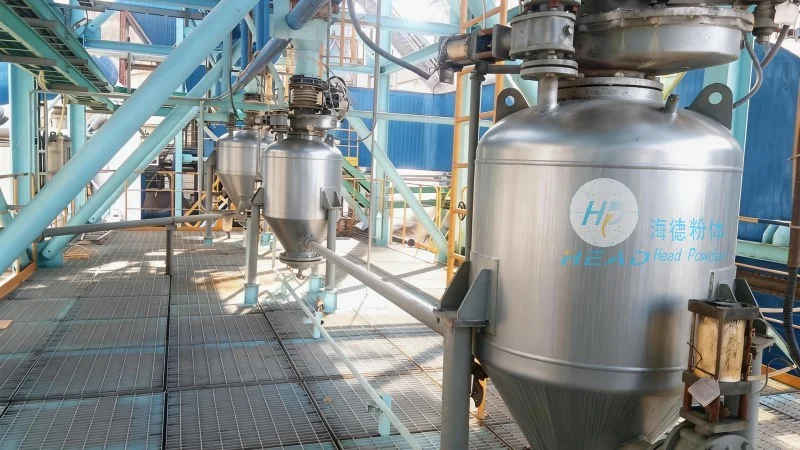
3. Prevention of Material Degradation: The gentle handling of particles through the pipeline reduces attrition and agglomeration, preserving the quality and effectiveness of the activated carbon.
4. Flexible and Scalable: Pneumatic conveying systems can be easily integrated into existing production lines and scaled to accommodate varying production volumes.
Key Components and Design Considerations
The effectiveness of a pneumatic conveying system for activated carbon powder depends on several critical components and design choices. Shandong HeadPowder Engineering Co., Ltd. employs state-of-the-art technology and engineering expertise to ensure optimal performance. Key components include:
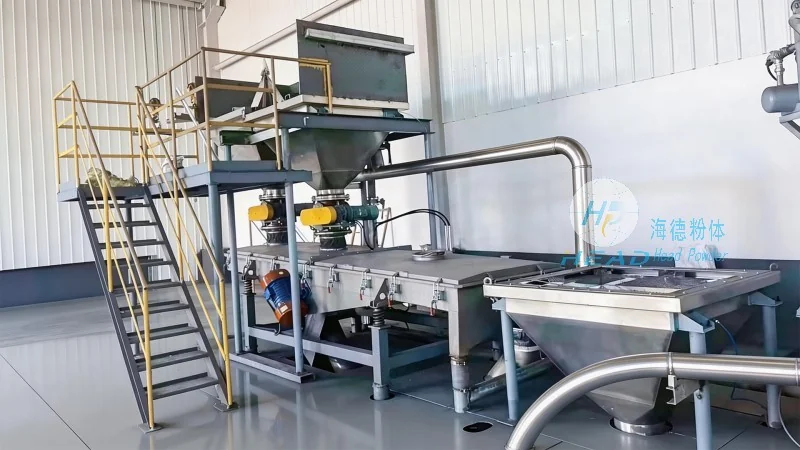
1. Feeder and Metering System: A precise feeder controls the flow rate of activated carbon powder into the conveying line, preventing surges or blockages. This component is crucial for maintaining consistent material delivery.
2. Conveying Pipeline: The pipeline is typically made of materials resistant to corrosion and abrasion, such as stainless steel or special plastics, to withstand the abrasive nature of activated carbon particles.
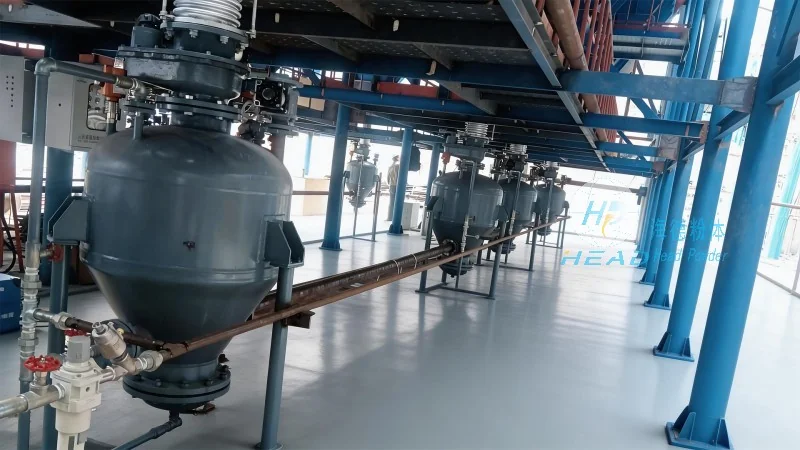
3. Air Compressor and Control System: A high-efficiency air compressor provides the necessary pressure and airflow to move the powder through the system. Advanced control systems regulate the air pressure and flow, optimizing energy consumption and operational efficiency.
4. Separation and Collection Equipment: At the receiving end, the system includes cyclones or filters to separate the activated carbon powder from the air stream, ensuring complete collection and preventing environmental contamination.
Case Study: Successful Implementation by Shandong HeadPowder Engineering Co., Ltd.
Shandong HeadPowder Engineering Co., Ltd. has successfully implemented pneumatic conveying systems for numerous clients in the activated carbon industry. For example, a leading water treatment facility in China faced significant dust issues and inefficient material transport when using traditional methods. After installing a customized pneumatic conveying system from HeadPowder, the facility experienced a 90% reduction in dust emissions, improved material handling efficiency by 40%, and reduced maintenance costs by 25%. The system's ability to handle the fine, abrasive activated carbon powder without clogging or degradation demonstrated the effectiveness of the solution.
Conclusion and Benefits
Pneumatic conveying systems, as offered by Shandong HeadPowder Engineering Co., Ltd., provide a comprehensive and effective solution to the challenges associated with activated carbon powder handling. By leveraging advanced technology and engineering expertise, these systems ensure efficient, safe, and reliable transport of activated carbon, enhancing operational performance and reducing costs for industrial applications. For companies seeking to improve their material handling processes, pneumatic conveying systems represent a superior choice for addressing the unique challenges of activated carbon powder.