

Aluminum Chloride Anhydrous Transfer: Positive Pressure or Negative Pressure? How to Distinguish?
When handling anhydrous aluminum chloride, selecting the appropriate transfer method is crucial for ensuring safety, efficiency, and product integrity. The two primary options are positive pressure transfer and negative pressure transfer. Understanding the characteristics of each system and the factors that influence their selection is essential for making an informed decision. This article explores the key aspects of both transfer methods, highlighting their differences and providing guidance on how to choose the right approach for your application.
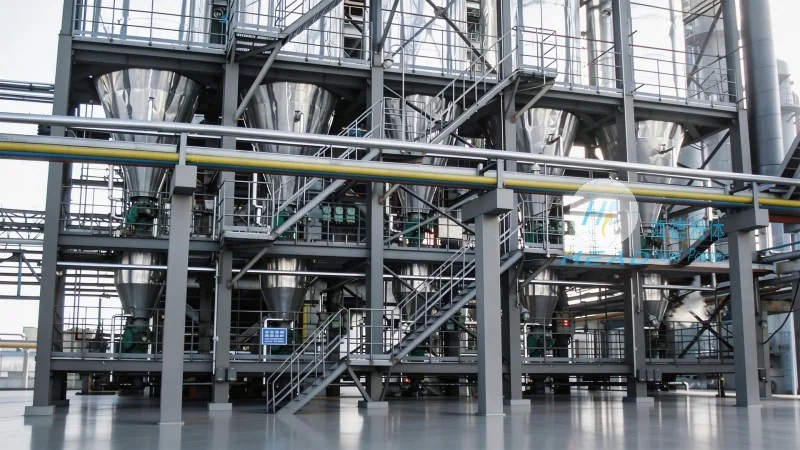
Understanding Positive Pressure Transfer
Positive pressure transfer involves supplying compressed air or inert gas to the system to maintain a pressure higher than the ambient environment. This method is commonly used for transferring bulk materials, including anhydrous aluminum chloride, from storage tanks or silos to processing equipment. The positive pressure ensures that the material flows continuously without the risk of vacuum-induced collapse or contamination from external air. In the context of aluminum chloride anhydrous, this approach is particularly effective when dealing with highly reactive or moisture-sensitive materials, as it prevents exposure to atmospheric moisture that could lead to hydrolysis or other chemical reactions.
Understanding Negative Pressure Transfer
Negative pressure transfer, also known as vacuum-assisted transfer, operates by creating a vacuum in the system to draw material from the source to the destination. This method relies on the pressure differential between the source and the receiving equipment to move the material. Negative pressure systems are often preferred for applications where the material is less reactive or where the process requires a controlled, low-pressure environment. For aluminum chloride anhydrous, negative pressure transfer can be advantageous in scenarios where the material is already in a dry, sealed container and needs to be moved without the need for additional gas compression.
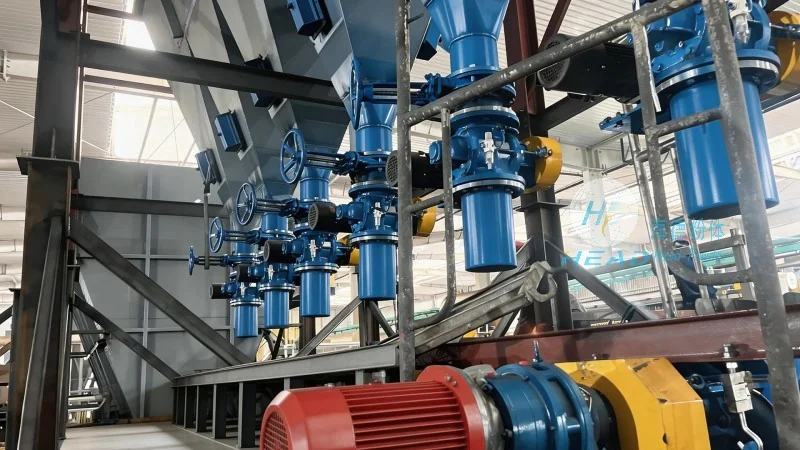
Key Differences Between Positive and Negative Pressure Systems
The fundamental difference between positive and negative pressure transfer lies in the direction of pressure application. Positive pressure systems use external gas to push material forward, while negative pressure systems use a vacuum to pull material. This distinction impacts several operational aspects, including energy consumption, system complexity, and material handling capabilities. Positive pressure systems typically require more energy to maintain the pressure, as they must overcome atmospheric pressure and any resistance in the transfer line. Conversely, negative pressure systems may consume less energy but can be more sensitive to leaks or pressure fluctuations, which could affect the flow rate and material quality.
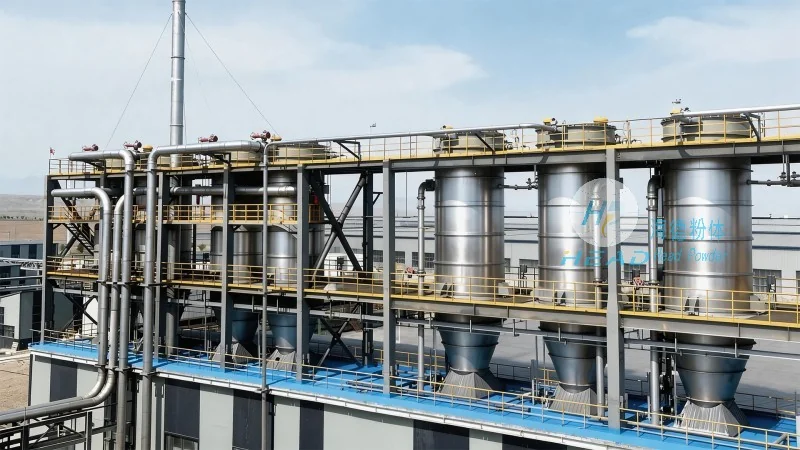
Factors Influencing the Choice of Transfer Method
The decision between positive and negative pressure transfer for aluminum chloride anhydrous is influenced by several factors, including the material's properties, the scale of the operation, and the specific requirements of the downstream process. Material properties such as moisture sensitivity, reactivity, and particle size are critical considerations. For example, highly moisture-sensitive materials like anhydrous aluminum chloride may benefit from positive pressure transfer to prevent exposure to ambient air, while less reactive materials might tolerate negative pressure transfer without compromising quality. The scale of the operation also plays a role; large-scale industrial applications often favor positive pressure systems due to their ability to handle high flow rates and maintain consistent pressure, whereas smaller-scale or laboratory applications might opt for negative pressure systems for their simplicity and lower cost.
Practical Recommendations for Selecting the Right Transfer System
When selecting a transfer system for anhydrous aluminum chloride, it is essential to evaluate the specific needs of your application and consider the trade-offs between positive and negative pressure methods. For processes where product purity and moisture control are paramount, positive pressure transfer with inert gas (such as nitrogen) is often the preferred choice. This approach minimizes the risk of contamination and ensures that the material remains in its anhydrous state throughout the transfer. Conversely, if the material is already in a dry, sealed container and the process does not require strict moisture control, negative pressure transfer can be a cost-effective and efficient solution. Additionally, factors such as the distance between the source and destination, the number of transfer points, and the available infrastructure should be taken into account. For instance, long-distance transfers may benefit from positive pressure systems to maintain consistent flow, while short-distance transfers might be suitable for negative pressure systems.