

Bauxite Pneumatic Conveying Technology: In-Depth Analysis of Negative Pressure and Positive Pressure
HeadPowder Engineering, a leading provider in the field of material handling solutions, specializes in advanced pneumatic conveying systems tailored for bauxite processing. This article delves into the technical nuances of negative pressure and positive pressure pneumatic conveying technologies, exploring their applications, advantages, and practical implementation in bauxite handling operations.
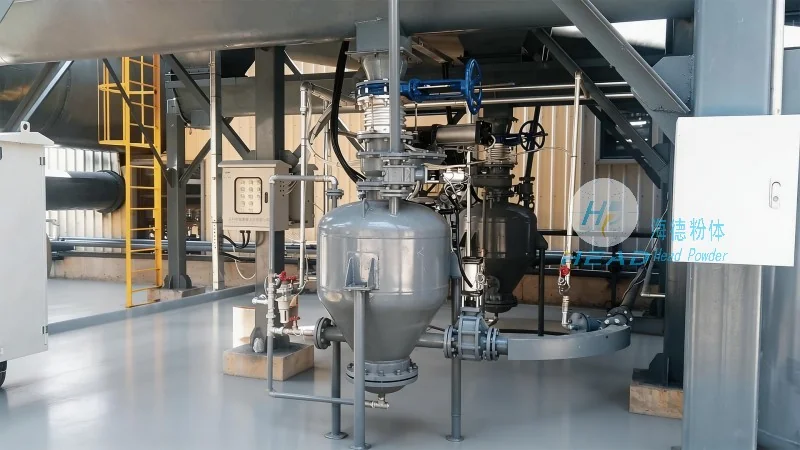
Understanding Bauxite Pneumatic Conveying Systems
Bauxite, the primary ore for aluminum production, requires efficient and reliable transport methods to move from mining sites to processing facilities. Pneumatic conveying offers a flexible and effective solution for handling bauxite, especially in environments where traditional bulk handling methods may pose challenges. The two main categories of pneumatic conveying systems—negative pressure (or vacuum) and positive pressure—each present distinct characteristics and operational benefits.
Negative Pressure (Vacuum) Pneumatic Conveying Systems
Negative pressure systems operate by creating a vacuum at the material inlet, drawing the bauxite into the conveying line using air flow. This method is particularly suitable for applications where the material needs to be transported from a higher elevation to a lower one, or where the material is sensitive to high air velocities that could cause degradation. The system typically includes a vacuum pump, a filter to remove dust and particulates, and a discharge valve at the receiving end.
Key advantages of negative pressure systems include their ability to handle abrasive or fine materials without causing excessive wear on the equipment. The low air velocity also reduces the risk of material degradation, making it ideal for bauxite with high moisture content or delicate particle structures. Additionally, these systems are generally quieter and require less maintenance compared to positive pressure systems, as they operate at lower air pressures.
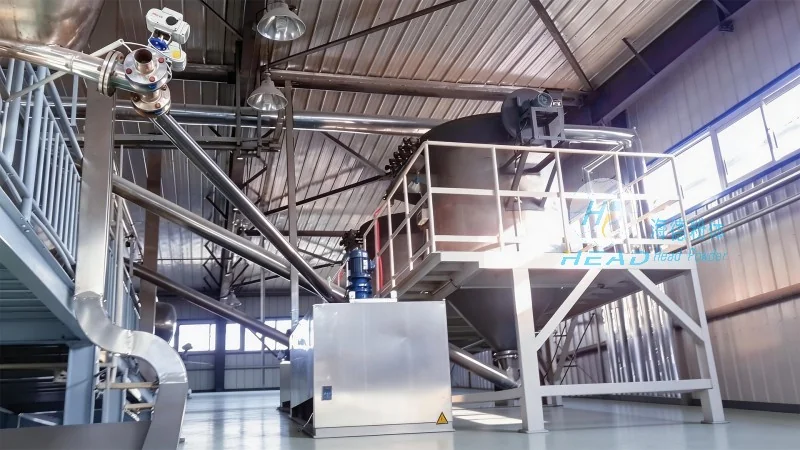
However, negative pressure systems have limitations, such as lower conveying distances and the need for a closed system to prevent air leakage. The vacuum pump must be powerful enough to overcome the resistance of the material and the length of the conveying line, which can increase energy consumption. In bauxite applications, the system is often used for short to medium-distance transport, typically up to 100 meters, and is commonly employed in processing plants where the material is moved from storage silos to grinding or washing equipment.
Positive Pressure Pneumatic Conveying Systems
Positive pressure systems, in contrast, force air through the conveying line, pushing the bauxite material forward. This method is well-suited for transporting bauxite over longer distances, often exceeding 100 meters, and is effective when the material needs to be moved from a lower elevation to a higher one. The system consists of a blower or compressor, a material feed hopper, and a discharge nozzle at the receiving point.
One of the primary benefits of positive pressure systems is their ability to handle longer conveying distances with higher air velocities, which can increase the throughput capacity. The forced air flow ensures that the material is consistently propelled through the line, reducing the risk of blockages or material buildup. This makes positive pressure systems ideal for bauxite processing plants that require large-scale material transport, such as moving bauxite from mining sites to processing facilities over several hundred meters.
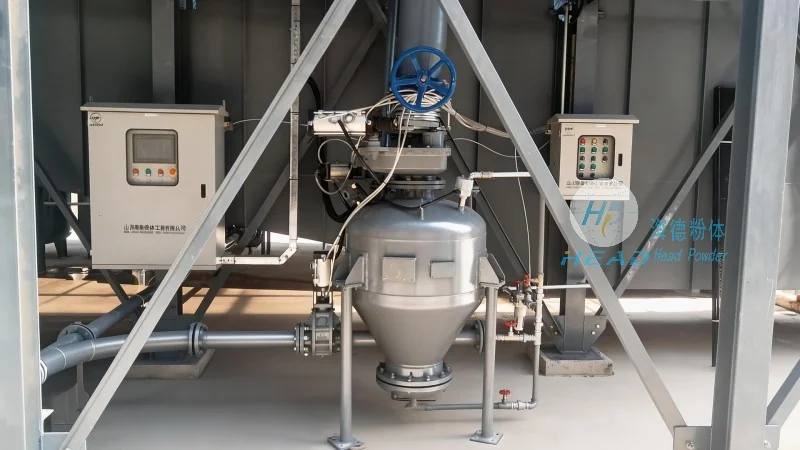
However, positive pressure systems are more prone to wear and tear due to the higher air velocities and abrasive nature of bauxite particles. Regular maintenance, including cleaning of the conveying line and replacement of worn components, is essential to ensure optimal performance. Additionally, the higher air pressure can lead to increased energy consumption, making it more expensive to operate compared to negative pressure systems for shorter distances.
Comparative Analysis: Negative vs. Positive Pressure Systems
When selecting between negative and positive pressure pneumatic conveying systems for bauxite handling, several factors must be considered. The distance of the conveying line, the elevation change between the source and destination, the material characteristics (such as moisture content and particle size), and the required throughput are all critical factors. Negative pressure systems are generally preferred for shorter distances and when handling sensitive materials, while positive pressure systems are more suitable for longer distances and high-volume applications.
HeadPowder Engineering has extensive experience in designing and implementing both negative and positive pressure pneumatic conveying systems for bauxite processing. Our engineers work closely with clients to assess their specific operational needs and recommend the most appropriate system configuration. By leveraging advanced engineering and materials, we ensure that our systems are durable, efficient, and tailored to the unique challenges of bauxite handling.
Applications and Practical Implementation
Bauxite pneumatic conveying systems are widely used in various stages of the aluminum production process. In mining operations, negative pressure systems are often employed to transport bauxite from open-pit mines to processing plants, where the material is stored in silos. Positive pressure systems are then used to move the bauxite from the silos to grinding mills, where it is processed into alumina.
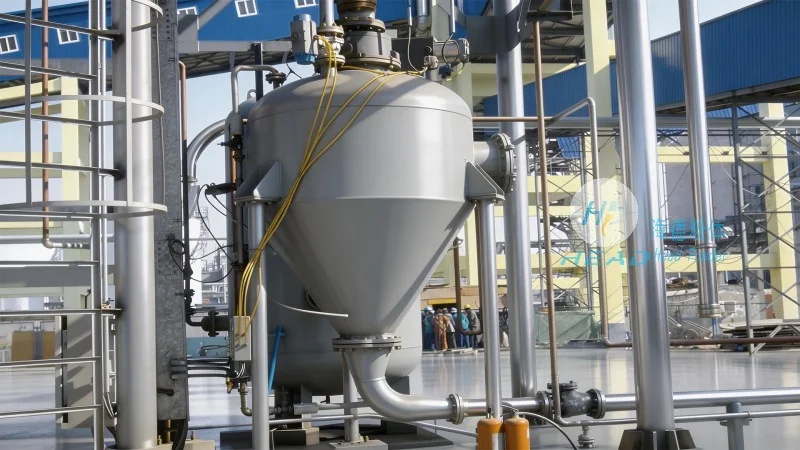
In processing plants, both negative and positive pressure systems may be integrated into a single material handling system. For example, a negative pressure system could be used to transfer bauxite from a storage silo to a washing unit, while a positive pressure system would transport the washed material to a grinding or drying facility. This integrated approach ensures smooth and continuous material flow, minimizing downtime and maximizing production efficiency.
HeadPowder Engineering's expertise in customizing pneumatic conveying systems allows us to address the specific requirements of bauxite processing facilities. Our solutions are designed to handle the abrasive and moisture-rich nature of bauxite, ensuring that the equipment operates reliably over extended periods. By focusing on durability and efficiency, we help our clients achieve optimal performance in their bauxite handling operations.
Conclusion
Negative and positive pressure pneumatic conveying systems offer distinct advantages for bauxite handling, with each system best suited for specific operational conditions. HeadPowder Engineering, with its deep technical expertise and commitment to quality, provides comprehensive solutions that enhance the efficiency and reliability of bauxite processing. By understanding the nuances of both system types and applying them appropriately, bauxite processing facilities can achieve improved productivity and reduced operational costs.