

Sodium Silicate Pneumatic Conveying Technology: In-Depth Analysis of Negative Pressure and Positive
HeadPowder, a leading provider in the field of material handling solutions, specializes in advanced pneumatic conveying systems tailored for sodium silicate applications. This article delves into the technical nuances of both negative pressure and positive pressure conveying methods, offering a comprehensive guide to their implementation and benefits.
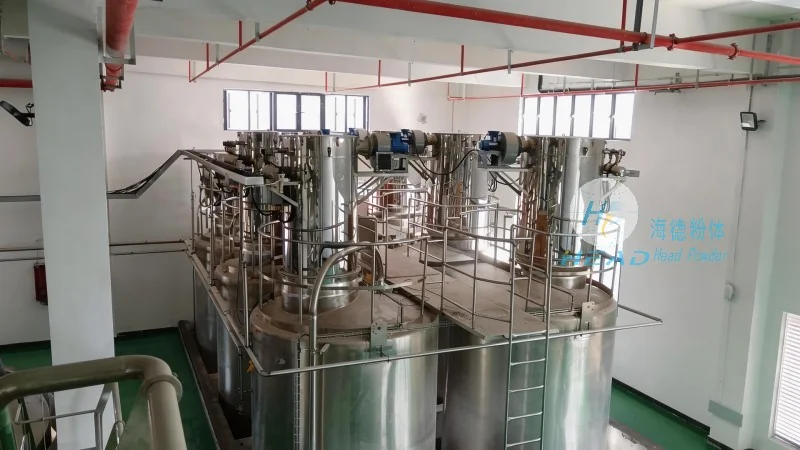
Understanding Sodium Silicate and Its Handling Challenges
Sodium silicate, also known as water glass, is a versatile chemical compound widely used in industries such as glass manufacturing, detergents, and construction. Its handling presents unique challenges due to its hygroscopic nature and the need for precise control during transport. Traditional methods like belt conveyors or bucket elevators may not be suitable for maintaining the material's quality or preventing dust generation. Pneumatic conveying systems, however, offer a solution by enabling efficient, dust-free, and controlled transport of sodium silicate from storage to processing units.
Negative Pressure (Vacuum) Pneumatic Conveying Systems
Negative pressure systems operate by creating a vacuum at the material inlet, drawing the sodium silicate into the conveying line using air. This method is particularly effective for conveying materials from multiple points to a central collection point. The key components of a negative pressure system include a vacuum pump, a filter, and a material receiver. The vacuum pump generates the necessary suction force, while the filter removes any particulate matter from the air stream. The material receiver collects the conveyed sodium silicate, ensuring a clean and efficient process. One of the primary advantages of negative pressure systems is their ability to handle materials with high moisture content or those that are prone to caking, as the vacuum helps maintain the material's flowability. However, they may require more maintenance due to the presence of moisture in the system, which can lead to corrosion or blockages if not properly managed.
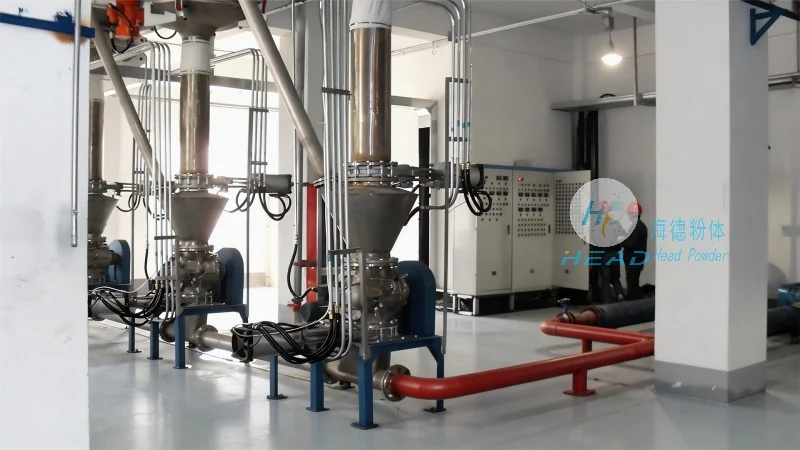
Positive Pressure (Pressure) Pneumatic Conveying Systems
Positive pressure systems, in contrast, use compressed air to push the sodium silicate through the conveying line. This method is ideal for long-distance or high-capacity transport, as the pressure can be maintained throughout the entire system. The main components of a positive pressure system include a blower, a material feeder, and a discharge unit. The blower supplies the compressed air, which propels the material through the pipeline. The material feeder ensures a consistent flow of sodium silicate into the system, while the discharge unit controls the release of the material at the destination. Positive pressure systems are generally more robust and less prone to blockages compared to negative pressure systems, as the compressed air helps prevent material buildup. They are also suitable for conveying materials that are sensitive to moisture or air exposure, as the system is sealed and the air is filtered to maintain purity. However, they may require higher energy input due to the constant operation of the blower, and the pressure can cause wear on the pipeline and components over time.
Comparative Analysis: Negative vs. Positive Pressure Conveying
When selecting between negative and positive pressure pneumatic conveying systems for sodium silicate, several factors must be considered. The choice depends on the specific application requirements, such as the distance between the source and destination, the material's properties, and the desired flow rate. Negative pressure systems are often preferred for short to medium distances and when the material is being collected from multiple points, as they are more flexible in terms of layout. Positive pressure systems, on the other hand, are better suited for long-distance transport or when high capacity is required, as they can maintain consistent pressure and flow. The cost of implementation is another critical factor; negative pressure systems may have lower initial costs but higher maintenance expenses due to the vacuum pump and filter, while positive pressure systems may have higher upfront costs but lower long-term maintenance costs. Ultimately, the decision should be based on a thorough analysis of the operational needs and budget constraints.
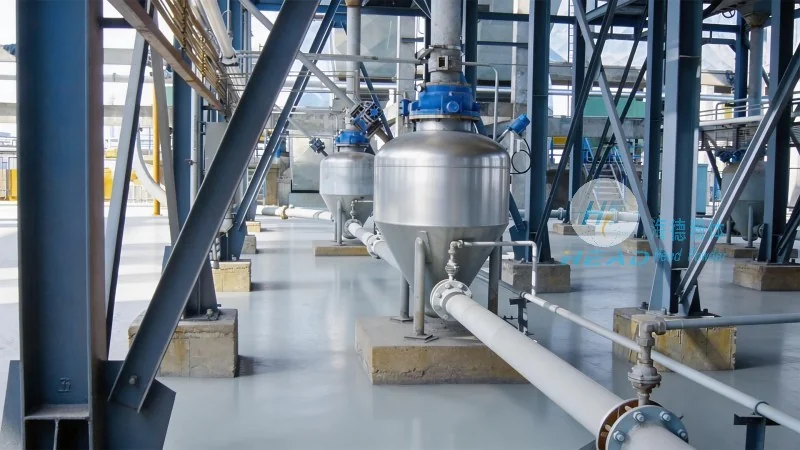
Real-World Applications and Benefits
HeadPowder has successfully implemented both negative and positive pressure pneumatic conveying systems for sodium silicate in various industrial settings. For instance, in a glass manufacturing plant, a negative pressure system was used to transport sodium silicate from storage silos to the furnace, ensuring a dust-free and controlled process. The system was designed to handle the material's hygroscopic nature, preventing caking and maintaining its quality. In another application, a positive pressure system was employed to convey sodium silicate over a distance of 500 meters to a processing facility, achieving high throughput and minimal material loss. The benefits of these systems include improved efficiency, reduced labor costs, and enhanced safety by eliminating manual handling and dust exposure. Additionally, the use of pneumatic conveying systems helps in maintaining the material's purity, which is crucial for downstream processes in industries like glass and detergents.
About HeadPowder: Your Trusted Partner in Pneumatic Conveying Solutions
HeadPowder, or Shandong HeadPowder Engineering Co., Ltd., is a leading manufacturer and supplier of advanced material handling equipment, including pneumatic conveying systems. With a focus on innovation and customer satisfaction, HeadPowder provides customized solutions tailored to the unique needs of each client. The company's headquarters is located in Shandong, China, where it operates a state-of-the-art manufacturing facility and a research and development center. HeadPowder's team of experts works closely with clients to understand their operational challenges and develop effective solutions that enhance productivity and efficiency. By leveraging years of experience and cutting-edge technology, HeadPowder ensures that its pneumatic conveying systems are reliable, durable, and cost-effective, meeting the highest industry standards. Whether you need a negative or positive pressure system for sodium silicate or other materials, HeadPowder is committed to delivering the best possible solution to meet your needs.