

Main Structures for Alumina Pneumatic Conveying
Alumina, a critical raw material in various industrial applications, requires efficient and reliable transport systems to ensure smooth production processes. Pneumatic conveying, a method that uses air or gas to move bulk materials, has become a preferred choice for alumina handling due to its advantages in safety, flexibility, and reduced contamination. The effectiveness of pneumatic conveying systems largely depends on the integration of several key structures that work together to facilitate the movement of alumina from source to destination. This article explores the main structures involved in alumina pneumatic conveying, highlighting their functions and importance in the overall system.
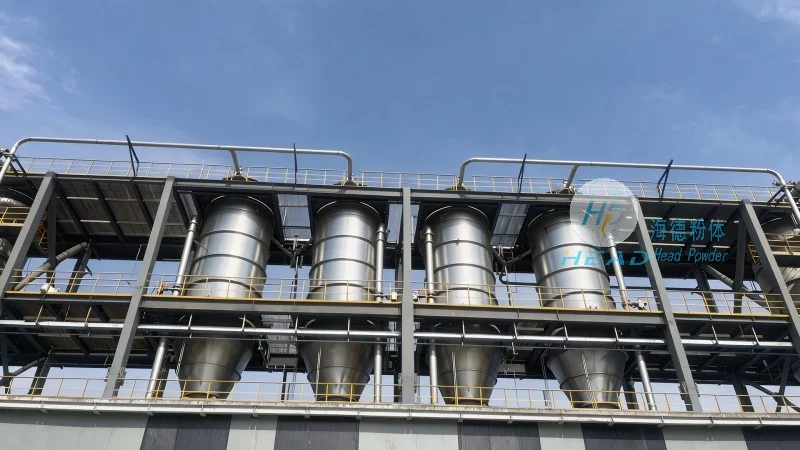
1. Material Hopper and Storage Silo
The process of alumina pneumatic conveying begins with the storage and feeding of the material. The material hopper and storage silo are the initial structures that store large quantities of alumina and regulate its flow into the conveying system. These structures are designed to maintain the material's quality and prevent caking or agglomeration, which could impede the conveying process. The hopper typically features a conical or rectangular design with a discharge outlet that connects to the feeder mechanism. The storage silo, often made of stainless steel or other corrosion-resistant materials, ensures long-term storage while maintaining the alumina's purity. For companies like Shandong HeadPowder Engineering Co., Ltd., based in China, these structures are engineered to meet specific industrial requirements, ensuring durability and efficient material handling.
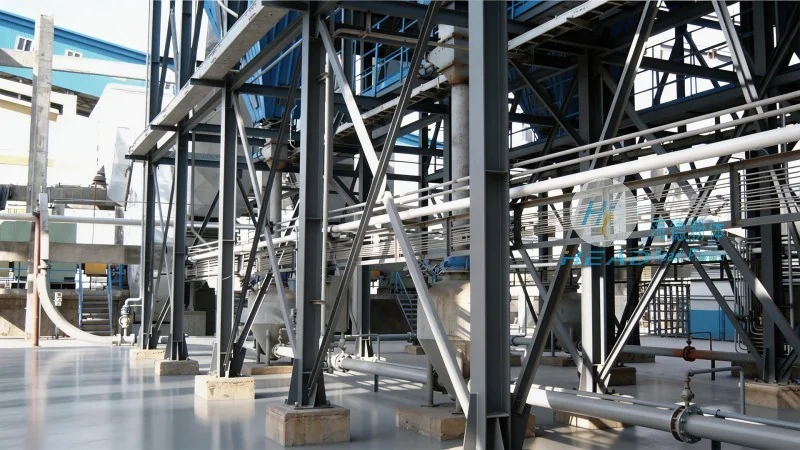
2. Feeder and Metering Device
After the alumina is stored in the hopper or silo, it needs to be fed into the pneumatic conveying line at a controlled rate. The feeder and metering device are crucial components that regulate the flow of alumina to maintain consistent conveying performance. There are several types of feeders used in alumina pneumatic conveying, including rotary valves, screw feeders, and vibratory feeders. Each type has its own advantages depending on the material's characteristics and the system's requirements. For example, rotary valves are commonly used for dry, free-flowing materials like alumina, as they provide a reliable and continuous flow without the risk of clogging. The feeder is connected to the hopper's discharge outlet and the conveying line, ensuring that the material is introduced at the correct pressure and flow rate. Proper metering is essential to prevent overloading or underloading the conveying system, which can lead to inefficiencies or equipment damage. Shandong HeadPowder Engineering Co., Ltd. specializes in designing and manufacturing feeders that are tailored to the specific needs of alumina handling, ensuring optimal performance and longevity.
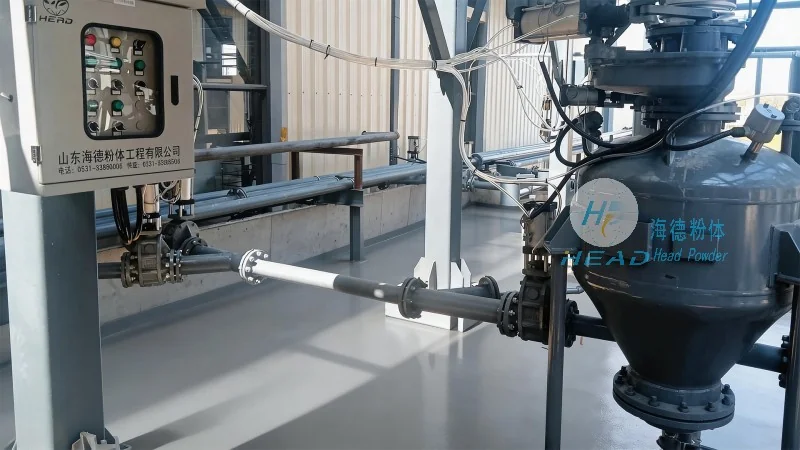
3. Conveying Line and Air Supply System
The core of the alumina pneumatic conveying system is the conveying line, which transports the material through the use of compressed air or gas. The line is typically made of stainless steel or plastic, depending on the material's corrosiveness and the system's operating conditions. The air supply system, which includes a blower or compressor, provides the necessary pressure and volume of air to move the alumina particles. The blower is usually located at the inlet of the conveying line and is responsible for generating the airflow that propels the material. The conveying line may include bends, elbows, and straight sections, each designed to minimize pressure loss and maintain the material's velocity. The air supply system also includes filters and regulators to ensure that the air is clean and at the correct pressure, preventing contamination and equipment wear. The efficiency of the conveying line and air supply system directly impacts the overall performance of the alumina handling process, making it a critical component in the system.
4. Dust Collection and Filtration System
During the pneumatic conveying of alumina, fine particles can be generated, leading to dust and air pollution. The dust collection and filtration system is essential to capture these particles and ensure that the air is clean before it is released into the environment. This system typically includes a cyclone separator, which uses centrifugal force to separate the dust from the air, and a baghouse or cartridge filter, which further cleans the air. The cyclone separator is usually placed at the end of the conveying line and is responsible for removing larger particles, while the filter captures finer particles. The collected dust is then discharged into a collection bin for disposal or reuse. The filtration system is designed to meet environmental regulations and maintain a safe working environment for personnel. Shandong HeadPowder Engineering Co., Ltd. incorporates advanced filtration technologies in their systems to ensure compliance with environmental standards and to protect the health of workers involved in alumina handling.
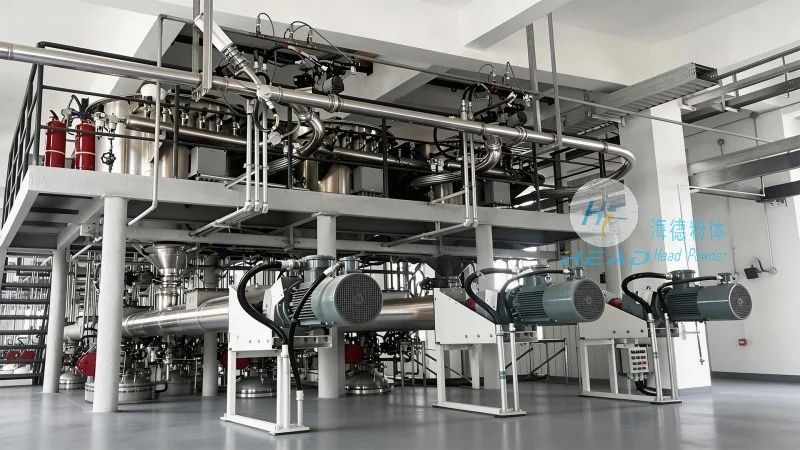
5. Control and Monitoring System
Modern alumina pneumatic conveying systems are equipped with a control and monitoring system that allows operators to manage the process efficiently. This system includes sensors, controllers, and indicators that monitor key parameters such as pressure, flow rate, and temperature. The sensors are placed at various points in the system, including the hopper, feeder, conveying line, and dust collector, to provide real-time data on the system's performance. The controller uses this data to adjust the system's settings, such as the air pressure or feeder speed, to maintain optimal operation. The monitoring system also includes alarms and alerts that notify operators of any abnormalities or issues, allowing for quick intervention and maintenance. This system enhances the safety and efficiency of the alumina handling process, reducing downtime and improving overall productivity. Shandong HeadPowder Engineering Co., Ltd. provides comprehensive control and monitoring solutions that are integrated with their conveying systems, ensuring seamless operation and easy management.