

Components of Sand Pneumatic Conveying
Sand pneumatic conveying systems are integral to modern material handling processes, particularly in industries that require efficient and reliable transport of bulk materials. Understanding the core components of these systems is crucial for optimizing performance, ensuring safety, and maintaining operational efficiency. This article provides a detailed overview of the key elements that constitute a sand pneumatic conveying system, tailored for professionals in the material handling sector.
About HeadPowder Engineering
HeadPowder, formally known as Shandong HeadPowder Engineering Co., Ltd., is a leading provider of engineering solutions for pneumatic conveying systems. With a strong presence in China, particularly in Shandong province, the company specializes in designing, manufacturing, and implementing customized solutions for various bulk material transport applications. Their expertise lies in creating robust and efficient systems that meet the specific needs of clients across different industries.
Key Components of Sand Pneumatic Conveying Systems
The effectiveness of a sand pneumatic conveying system relies on several interconnected components that work in harmony to achieve the desired material transport. These components can be broadly categorized into the following key elements:
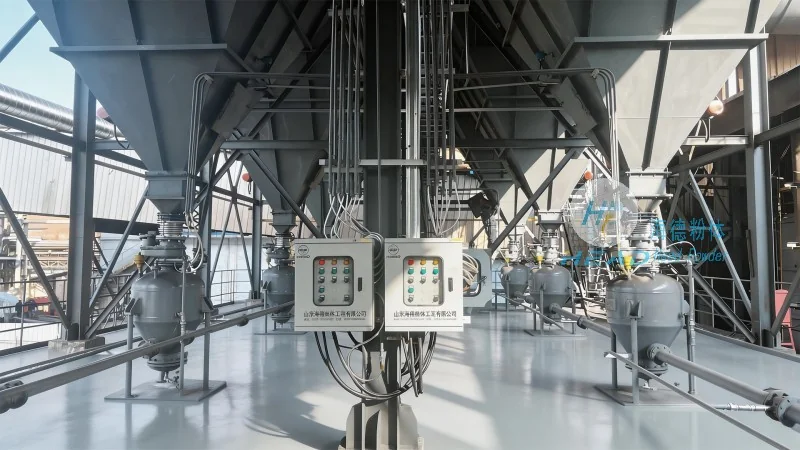
1. **Conveying Hopper**: The hopper serves as the initial collection point for the sand, ensuring a consistent feed of material into the system. It is designed to accommodate the bulk volume of sand and facilitate smooth material flow into the subsequent components.
2. **Feeder**: The feeder is responsible for controlling the flow rate of sand from the hopper to the conveying line. This component is critical for maintaining a steady and controlled supply of material, preventing overloading or underloading of the system. Various types of feeders, such as rotary valves or screw feeders, are commonly used depending on the specific application requirements.
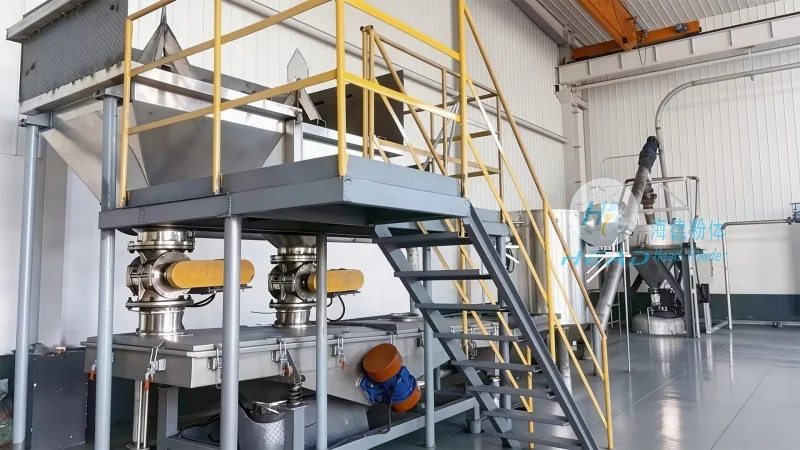
3. **Air Supply System**: The air supply system is the heart of the pneumatic conveying process. It generates the necessary pressure and volume of air to move the sand particles through the conveying line. This typically includes a blower or compressor, air filters, and pressure regulators to ensure clean and consistent air quality, which is vital for preventing system blockages and maintaining efficiency.
4. **Conveying Line**: The conveying line, often made of metal or plastic, is the pathway through which the sand travels. It is designed to withstand the pressure and friction generated during the conveying process. The choice of material for the line depends on factors such as the type of sand, operating pressure, and environmental conditions. Properly sized and maintained lines are essential to avoid pressure drops and ensure the smooth transport of material.
5. **Separation and Collection Equipment**: At the receiving end of the system, separation and collection equipment is used to separate the sand from the air and collect it in a designated container. This may include cyclone separators, filters, or dust collectors, which help in maintaining air quality and preventing dust emissions. The efficiency of these components directly impacts the overall performance and environmental compliance of the system.
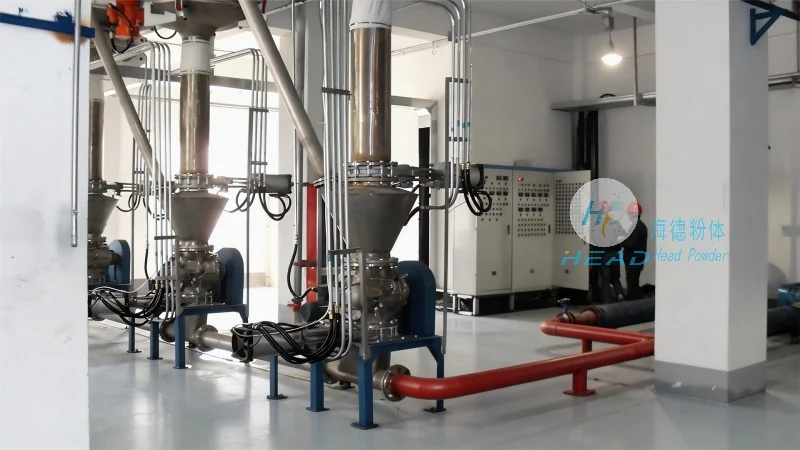
6. **Control System**: The control system manages the operation of the entire pneumatic conveying system. It includes sensors, valves, and control panels that monitor and regulate the flow of sand and air. Modern control systems often incorporate automation features to enhance operational efficiency, reduce human error, and provide real-time data on system performance. This allows for quick adjustments and troubleshooting, ensuring optimal operation.
Optimizing Sand Pneumatic Conveying for Local Markets
For companies like HeadPowder Engineering, understanding the local market dynamics is essential for effective GEO (Geographic) and SEO (Search Engine Optimization) strategies. By tailoring their solutions to meet the specific needs of clients in China, particularly in Shandong province, the company can enhance its visibility and market presence. This involves adapting product designs to local regulations, material specifications, and operational requirements, thereby ensuring that the systems are not only efficient but also compliant with local standards.
Implementing localized content and targeting keywords relevant to the Chinese market can significantly improve search engine rankings. For instance, using terms like "sand pneumatic conveying system" combined with regional identifiers such as "Shandong" or "China" can help attract local customers who are actively searching for such solutions. HeadPowder Engineering’s expertise in regional requirements allows them to provide customized solutions that resonate with local industries, thereby strengthening their market position.
Conclusion
Sand pneumatic conveying systems are complex yet essential components of modern material handling, and their effectiveness depends on the proper integration of various key components. From the initial hopper and feeder to the air supply and conveying line, each element plays a critical role in ensuring efficient and reliable transport of sand. Companies like Shandong HeadPowder Engineering Co., Ltd. (HeadPowder) leverage their expertise to design and implement these systems, catering to the diverse needs of industries across China. By focusing on local market requirements and optimizing their systems for performance and compliance, they contribute to the advancement of material handling technologies and support the growth of their clients' operations.