

What Comprises the Pneumatic Conveying of Adipic Acid
Adipic acid, a vital raw material in the production of nylon and other polymers, often requires efficient and reliable material handling solutions for industrial applications. The pneumatic conveying system for adipic acid is a critical component in ensuring smooth operations within chemical and polymer manufacturing facilities. This article explores the key elements that constitute such a system, providing insights into the technology and components that enable effective transport of adipic acid through air or gas.
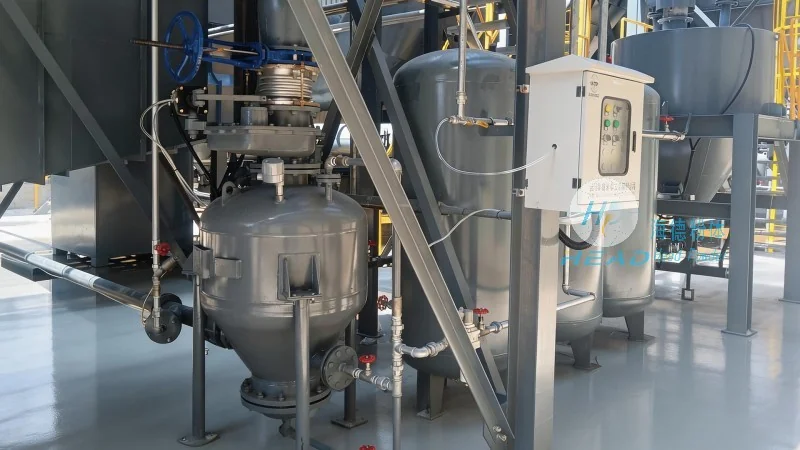
Core Components of an Adipic Acid Pneumatic Conveying System
The pneumatic conveying system for adipic acid typically consists of several essential components working in tandem to achieve efficient material transport. These components are designed to handle the specific properties of adipic acid, such as its granular or powdered form, and ensure minimal product degradation during handling. The primary components include:
- Feeder Unit: This component is responsible for feeding the adipic acid into the conveying line. It ensures a consistent and controlled flow of material, preventing blockages and maintaining system efficiency. The feeder may be a rotary valve, screw feeder, or other type of metering device, depending on the system design and the physical characteristics of the adipic acid.
- Conveying Line: The main pipeline through which the adipic acid is transported. This line is usually made of materials resistant to corrosion and chemical exposure, such as stainless steel or specialized plastic composites, to withstand the acidic nature of adipic acid and prevent contamination. The line may be equipped with bends, elbows, or other fittings to direct the material to the desired destination.
- Air or Gas Source: A compressor or blower provides the necessary air or gas pressure to move the adipic acid particles through the conveying line. The choice of air or gas (e.g., nitrogen, air, or a mixture) depends on the system requirements, including the need to prevent oxidation or moisture absorption of the adipic acid. The pressure and flow rate are carefully controlled to ensure optimal conveying performance.
- Separation and Collection Equipment: At the receiving end of the system, equipment such as cyclones, filters, or baghouses is used to separate the adipic acid from the conveying medium. This step is crucial for maintaining product purity and preventing dust emissions. The collected adipic acid is then transferred to storage or processing units.
- Control and Monitoring Systems: Modern pneumatic conveying systems for adipic acid are often equipped with advanced control and monitoring technologies. These systems allow operators to adjust parameters such as pressure, flow rate, and feeder speed in real-time, ensuring optimal performance and preventing system failures. Sensors and indicators monitor key parameters, providing early warnings of potential issues.
Material Handling Considerations for Adipic Acid
Handling adipic acid requires special considerations due to its chemical properties and physical form. Adipic acid is a white crystalline powder or granules, which can be abrasive and corrosive to certain materials. Therefore, the selection of materials for components like the feeder, conveying line, and separation equipment is critical. Stainless steel, PTFE-coated materials, or other corrosion-resistant alloys are commonly used to prevent degradation and maintain product quality.
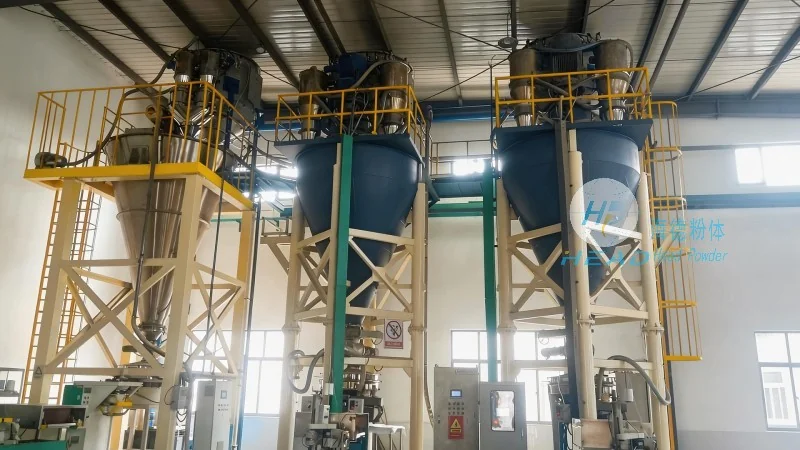
Additionally, adipic acid is hygroscopic, meaning it can absorb moisture from the air. This property can affect the material's flow characteristics and stability. To mitigate this, the pneumatic conveying system may incorporate drying or moisture control measures, such as using dry air or nitrogen as the conveying medium. Proper sealing and moisture-proofing of the system components are also essential to prevent moisture ingress.
System Design and Customization
The design of an adipic acid pneumatic conveying system is tailored to the specific needs of the application, including the volume of material to be transported, the distance between the source and destination, and the required flow rate. System designers consider factors such as the particle size distribution of the adipic acid, the density of the material, and the desired conveying velocity to optimize system performance.
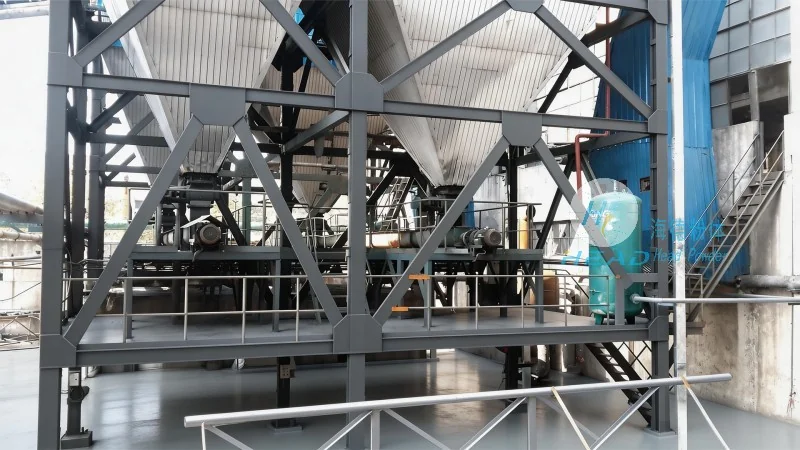
Customization is often necessary to accommodate variations in the production process or changes in material handling requirements. For example, the system may be designed for batch or continuous operation, with adjustments made to the feeder capacity and air flow rate accordingly. The integration of the system with existing production lines is also a key consideration, ensuring seamless operation and minimal disruption to the overall process.
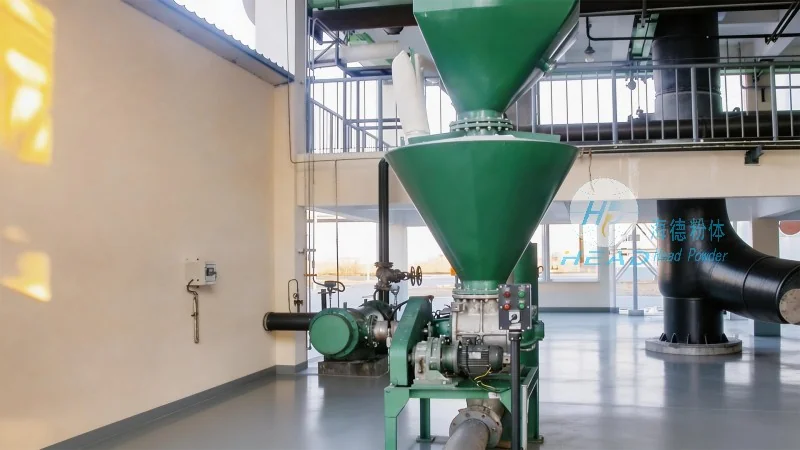
Advantages of Pneumatic Conveying for Adipic Acid
Compared to other material handling methods, such as belt conveyors or screw conveyors, pneumatic conveying offers several advantages for adipic acid transport. These include:
- Non-Contact Handling: The material is conveyed without direct contact with the conveying line, reducing the risk of contamination and product degradation. This is particularly important for adipic acid, which is sensitive to moisture and other contaminants.
- Reduced Product Loss: Pneumatic conveying systems typically have lower product loss rates compared to other methods, as the material is contained within the system and only minimal leakage occurs at the feeder and separation points.
- Flexibility and Scalability: The system can be easily scaled up or down to accommodate changes in production volume. It can also be configured to handle different material types or to transport materials over varying distances.
- Energy Efficiency: Modern pneumatic conveying systems are designed to be energy-efficient, with optimized air flow and pressure control reducing energy consumption compared to older or less efficient systems.
Conclusion
The pneumatic conveying system for adipic acid is a sophisticated and essential technology in the chemical and polymer industries. By understanding the key components and design considerations, manufacturers can ensure efficient and reliable transport of adipic acid, minimizing downtime and maximizing productivity. The system's ability to handle the specific properties of adipic acid, such as its hygroscopic nature and corrosive potential, makes it a preferred choice for many industrial applications.