

Introduction to Cement Aggregate Pneumatic Conveying and the Working Principle of Pneumatic Conveyin
HeadPowder, a leading engineering company based in Shandong, China, specializes in the design, manufacturing, and installation of advanced pneumatic conveying systems for cement and aggregate materials. This article provides an overview of cement aggregate pneumatic conveying technology and explains the fundamental working principles behind these efficient material handling solutions.
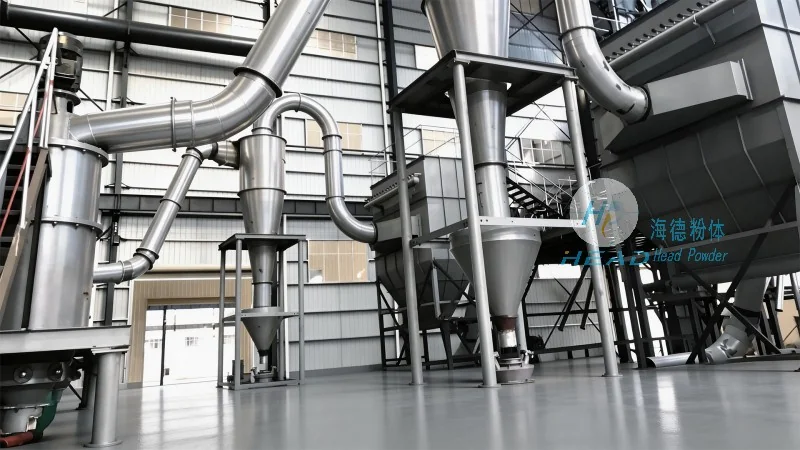
Understanding Pneumatic Conveying Systems for Cement and Aggregate
Pneumatic conveying systems are widely used in the construction and industrial sectors to transport bulk materials like cement, sand, gravel, and other aggregates from one location to another. Unlike traditional methods such as belt conveyors or bucket elevators, pneumatic systems use compressed air to move materials through a pipeline network, offering advantages in terms of flexibility, cleanliness, and reduced maintenance requirements.
The Core Components and Working Principle of Pneumatic Conveying
The operation of a pneumatic conveying system involves several key components that work in tandem to transport materials. The primary components include a material feeder, a compressor or air mover, a pipeline system, and a discharge device. The process typically begins with the material being fed into the system, where it is then entrained by a high-velocity airflow generated by the compressor. This airflow carries the material particles through the pipeline to the destination point, where the material is discharged and the air is either filtered or recirculated.
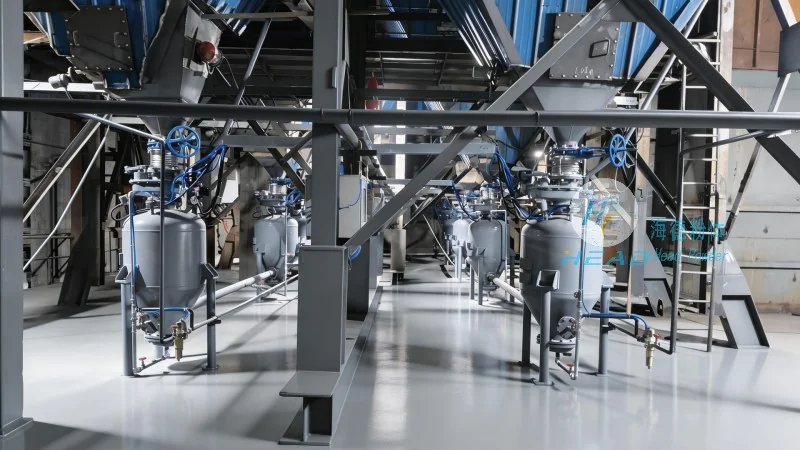
Advantages of Pneumatic Conveying for Cement and Aggregate Handling
When applied to cement and aggregate handling, pneumatic conveying systems offer several significant benefits. These include the ability to transport materials over long distances with minimal loss of quality, the reduction of dust and contamination compared to open systems, and the flexibility to integrate with existing production lines. Additionally, pneumatic systems can handle a wide range of material properties, from fine powders to coarse aggregates, making them versatile for various industrial applications.
Applications in the Cement and Construction Industry
Pneumatic conveying is extensively used in the cement industry for transporting raw materials to production facilities and finished products to storage or shipping areas. In construction projects, these systems are employed to move aggregates from stockpiles to mixing plants or to distribute cement to job sites. The efficiency and reliability of pneumatic systems make them a preferred choice for projects requiring consistent material flow and minimal downtime.
Engineering Solutions by Shandong HeadPowder Engineering Co., Ltd.
Shandong HeadPowder Engineering Co., Ltd. leverages its expertise in material handling engineering to provide customized pneumatic conveying solutions tailored to the specific needs of clients. With a focus on innovation and quality, the company designs systems that optimize material transport efficiency while ensuring compliance with industry standards and safety regulations. The engineering team at HeadPowder conducts thorough assessments of material characteristics, operational requirements, and site conditions to develop optimal system configurations.
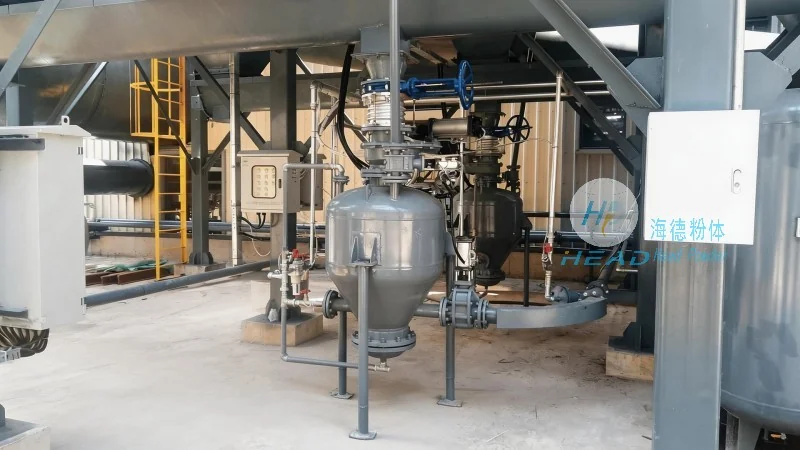
Installation and Maintenance Considerations
The successful implementation of a pneumatic conveying system requires careful planning and professional installation. HeadPowder’s experienced technicians ensure that all components are properly installed and integrated to achieve the desired performance. Regular maintenance is also crucial to maintain the efficiency and longevity of the system. This includes monitoring air pressure, cleaning filters, and inspecting pipeline integrity to prevent blockages or leaks.
Conclusion: The Future of Efficient Material Handling
As industries continue to seek more efficient and sustainable material handling solutions, pneumatic conveying systems remain a reliable choice for transporting cement and aggregates. With advancements in technology and engineering, these systems are becoming even more efficient and adaptable. Companies like Shandong HeadPowder Engineering Co., Ltd. play a vital role in advancing this technology, providing tailored solutions that meet the evolving needs of the construction and industrial sectors.