

Aluminum Hydride Powder Pneumatic Conveying Equipment: Structure and Principle Introduction
Aluminum hydride powder is a critical material in various industrial applications, and its efficient handling requires specialized equipment. The aluminum hydride powder pneumatic conveying system is a key solution for transporting this reactive powder safely and effectively. This article provides an in-depth look at the structure and working principle of such equipment, ensuring a comprehensive understanding for professionals in the field.
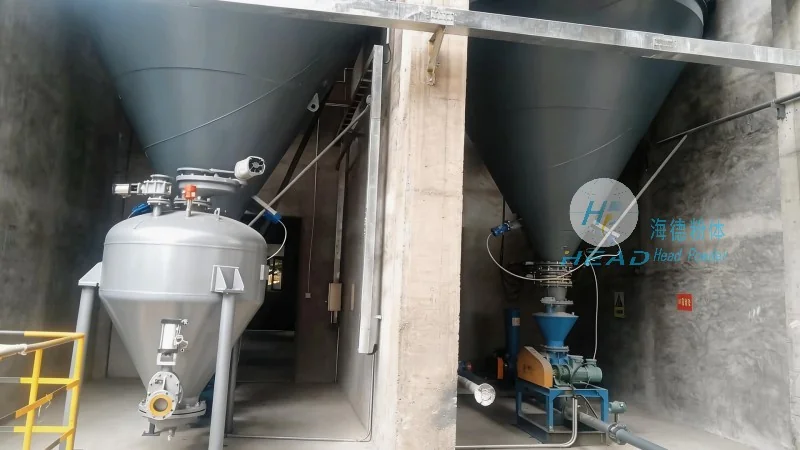
Overview of Aluminum Hydride Powder Pneumatic Conveying Equipment
Aluminum hydride (AlH₃) is a highly reactive chemical compound used in chemical synthesis, as a reducing agent, and in the production of hydrogen. Due to its sensitivity to moisture and air, handling this powder demands precise control and specialized equipment. The pneumatic conveying system is designed to transport aluminum hydride powder from storage to processing units without exposure to external contaminants, ensuring product integrity and operational safety.
Key Components of the Pneumatic Conveying System
The aluminum hydride powder pneumatic conveying equipment typically consists of several essential components that work in tandem to achieve efficient material transport. These components include:
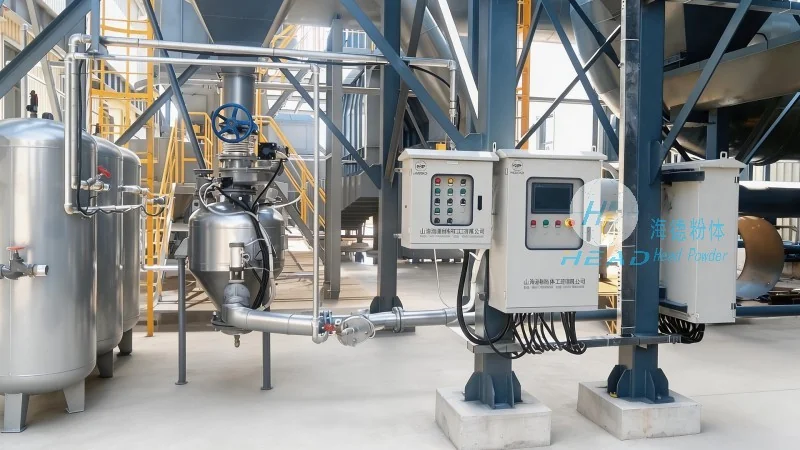
- Feeder: The feeder is responsible for accurately metering the aluminum hydride powder from the storage hopper into the conveying line. It ensures a consistent flow rate, preventing overloading or underloading of the system.
- Pneumatic Conveying Line: This is the main transport pathway, usually made of stainless steel or other corrosion-resistant materials to withstand the chemical properties of aluminum hydride. The line may include bends, elbows, and straight sections, designed to minimize pressure loss and maintain material flow.
- Blower or Air Compressor: The air compressor generates the necessary airflow to move the powder particles through the conveying line. The choice of blower (positive displacement or centrifugal) depends on the system's capacity and the powder's characteristics.
- Filter and Dust Collector: As the powder is transported, fine particles may be released into the air. The filter and dust collector system captures these particles, ensuring compliance with environmental regulations and maintaining a clean working environment.
- Receiving Hopper: The receiving hopper collects the aluminum hydride powder at the destination point, such as a reactor or processing unit. It is designed to handle the incoming flow and prevent spillage.
Working Principle of the Pneumatic Conveying System
The operation of the aluminum hydride powder pneumatic conveying system follows a systematic process. First, the feeder dispenses a controlled amount of aluminum hydride powder into the conveying line. Simultaneously, the air compressor supplies compressed air, which creates a flow of air through the line. The powder particles are entrained by the air stream and carried along the conveying line to the receiving hopper. The velocity of the air must be sufficient to overcome the gravitational force and frictional resistance of the powder particles, ensuring stable transport. The filter and dust collector then capture any fine particles that may have escaped, preventing contamination and maintaining air quality.
Advantages of Using Pneumatic Conveying for Aluminum Hydride Powder
Compared to traditional mechanical conveying methods, the pneumatic conveying system offers several advantages for handling aluminum hydride powder:
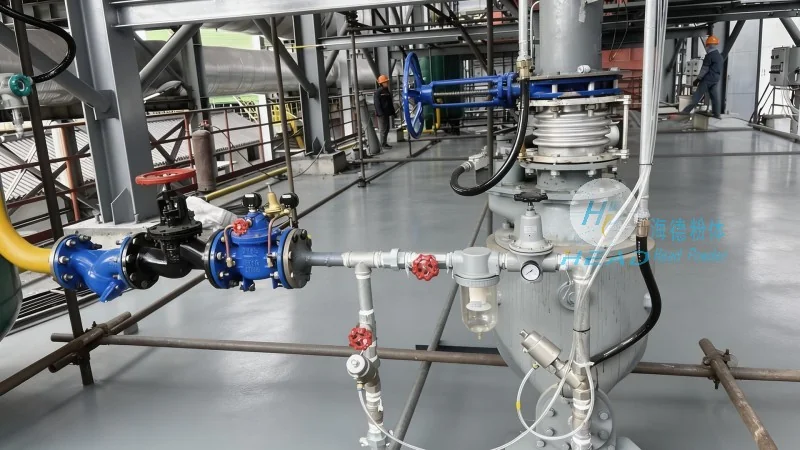
- Non-Contact Transport: The powder is transported without physical contact with the conveying equipment, reducing the risk of contamination and wear.
- Low Maintenance: The system has fewer moving parts compared to mechanical conveyors, resulting in lower maintenance costs and longer service life.
- Flexibility in Layout: Pneumatic conveying allows for flexible system layouts, enabling the equipment to be installed in various configurations to suit the plant's design.
- High Efficiency: The system can handle high volumes of aluminum hydride powder with minimal pressure loss, ensuring efficient material transport.
- Safety: The enclosed system prevents dust emissions and exposure to the reactive powder, enhancing workplace safety.
Applications and Considerations
The aluminum hydride powder pneumatic conveying equipment is widely used in industries such as chemical manufacturing, pharmaceuticals, and materials science. When implementing such a system, several considerations must be taken into account:
- Material Compatibility: The equipment must be made of materials that are compatible with aluminum hydride, such as stainless steel or specialized coatings, to prevent corrosion and chemical reactions.
- Moisture Control: Aluminum hydride is highly sensitive to moisture, so the system must be designed to minimize moisture exposure during transport.
- Pressure and Flow Rate Management: Proper control of air pressure and flow rate is crucial to maintain stable transport and prevent system overload.
- Environmental Compliance: The filter and dust collector system must meet local environmental regulations to ensure proper emission control.
Conclusion
The aluminum hydride powder pneumatic conveying equipment is a vital component in the safe and efficient handling of this reactive material. By understanding its structure and working principle, industries can optimize their material transport processes, enhance operational safety, and improve overall productivity. As a leading provider in this field, Shandong HeadPowder Engineering Co., Ltd. specializes in designing and manufacturing high-quality pneumatic conveying systems tailored to the specific needs of aluminum hydride powder applications.