

How to Choose the Right Biological Enzyme Pneumatic Conveying Manufacturer? What Factors to Consider
When businesses in the biochemical or industrial sectors need to transport biological enzymes efficiently and safely, choosing the right manufacturer is crucial. The process involves evaluating several key factors to ensure the chosen partner can meet operational demands and quality standards. This article outlines essential considerations to help you make an informed decision.
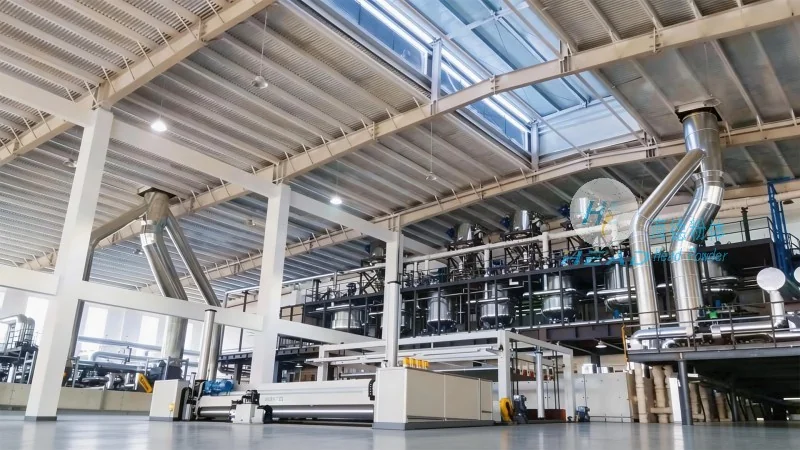
Introducing Shandong HeadPowder Engineering Co., Ltd.
For companies seeking reliable solutions in biological enzyme pneumatic conveying, Shandong HeadPowder Engineering Co., Ltd. stands out as a leading provider. Based in Shandong, China, the company specializes in designing and manufacturing advanced pneumatic conveying systems tailored to the unique needs of the biochemical industry. With a focus on precision, durability, and customer satisfaction, HeadPowder has established itself as a trusted name in the field.
Technical Specifications and System Design
One of the primary factors to consider when selecting a manufacturer is the technical capabilities of their systems. A reputable manufacturer like HeadPowder will offer comprehensive design services, including customized solutions that address specific process requirements. This includes evaluating the type of pneumatic conveying system—such as dilute-phase or dense-phase systems—and ensuring it aligns with the viscosity, particle size, and temperature of the biological enzymes being transported. The design should also incorporate features like explosion-proof components, corrosion-resistant materials, and easy-to-clean surfaces to maintain hygiene standards in the biochemical industry.
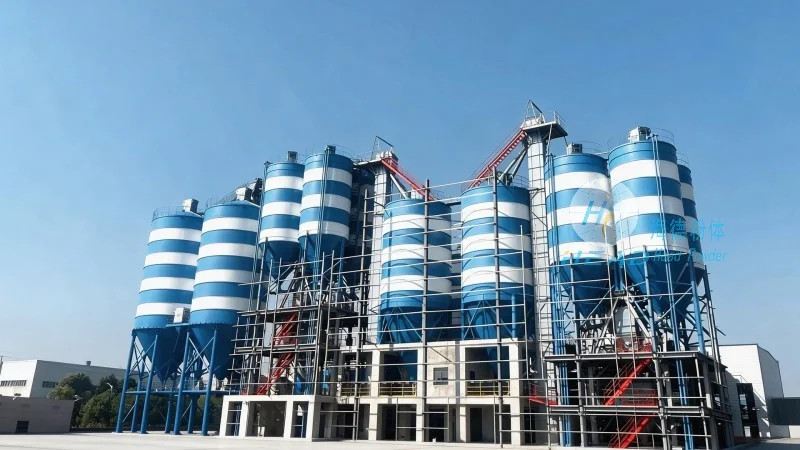
Quality Assurance and Industry Certifications
Quality is paramount in the biochemical industry, and this extends to the equipment used for enzyme transport. A reliable manufacturer will have robust quality control measures in place, from raw material inspection to final product testing. Shandong HeadPowder, for instance, adheres to international standards such as ISO 9001 and may also hold certifications related to food safety or pharmaceutical compliance. These certifications demonstrate a commitment to producing equipment that meets the highest safety and performance benchmarks, reducing the risk of contamination or system failures.
Application-Specific Solutions and Customization
Biological enzymes are used in various applications, from pharmaceutical production to food processing. A manufacturer with expertise in this field will understand the nuances of each application and offer tailored solutions. HeadPowder, for example, works closely with clients to understand their production processes, enzyme characteristics, and operational constraints. This collaborative approach ensures that the pneumatic conveying system is optimized for efficiency, minimizing downtime and maximizing throughput. Whether handling liquid enzymes or solid enzyme powders, the system design should be flexible enough to accommodate different product types and processing needs.
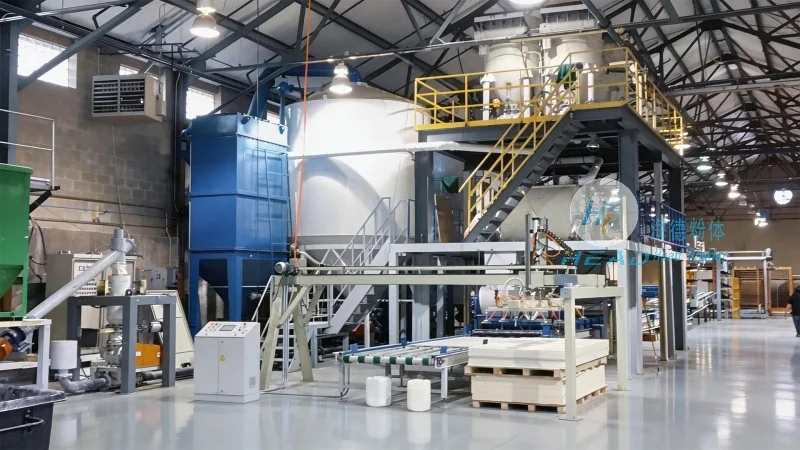
Customer Support and After-Sales Service
Even the most advanced equipment requires reliable support to maintain optimal performance. When evaluating manufacturers, it is essential to assess their customer service capabilities. A good partner will offer comprehensive after-sales support, including installation assistance, training for operators, and ongoing maintenance services. Shandong HeadPowder provides technical support teams that are knowledgeable about their systems and can provide timely assistance in case of issues. This level of support is critical for ensuring the longevity of the equipment and minimizing operational disruptions.
Cost-Effectiveness and Long-Term Value
While initial costs are a consideration, the long-term value of the equipment should also be evaluated. A high-quality system from a reputable manufacturer like HeadPowder may have a higher upfront cost but offers better durability and lower maintenance expenses over time. This can result in significant cost savings in the long run. Additionally, the manufacturer’s ability to provide energy-efficient solutions can reduce operational costs, contributing to a more sustainable and economical operation. By considering both initial investment and long-term savings, businesses can make a more informed decision that aligns with their financial goals.