

What is a Dust-Free Metering Pneumatic Conveying System? And What Are Its Design Principles?
For industries that require precise material handling with minimal contamination, the dust-free metering pneumatic conveying system emerges as a critical solution. This technology is designed to transport powders and granules efficiently while maintaining a controlled, clean environment. Understanding its core functionality and design principles is essential for selecting the right equipment for specific applications.
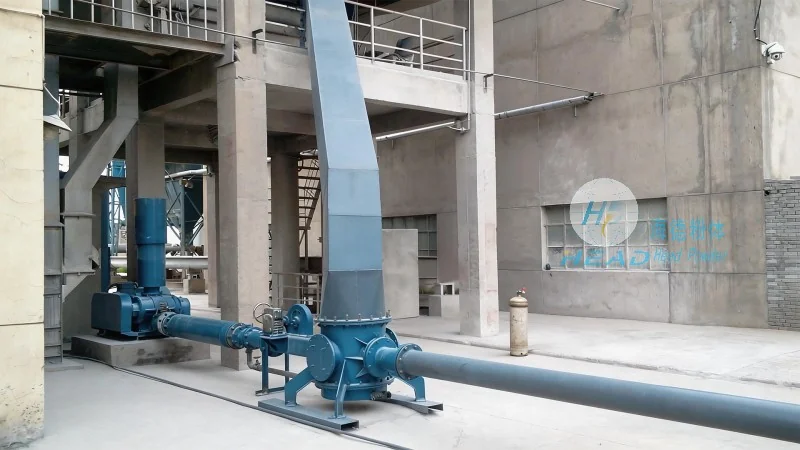
Introduction to Dust-Free Metering Pneumatic Conveying Systems
At the heart of many modern processing facilities lies the need for reliable, contamination-free material transport. The dust-free metering pneumatic conveying system addresses this need by combining precision metering with a sealed, clean conveying process. Developed by Shandong HeadPowder Engineering Co., Ltd., a leading manufacturer based in China, this system is engineered to meet stringent industrial standards for cleanliness and accuracy. The company’s expertise in powder handling technology ensures that each system is tailored to the unique requirements of the client, whether in pharmaceutical, food, or chemical industries.
Key Components and Their Roles
The effectiveness of a dust-free metering pneumatic conveying system depends on several key components, each playing a vital role in the overall operation. The primary components include the material feed hopper, which holds the bulk material and controls the flow rate; the metering device, which regulates the exact quantity of material being conveyed; and the pneumatic conveying line, which uses air pressure to transport the material from the feed point to the discharge point. Additionally, the system incorporates filtration and dust collection systems to maintain a clean environment and prevent product contamination. The design of these components is critical, as any inefficiency can lead to material loss or system downtime.
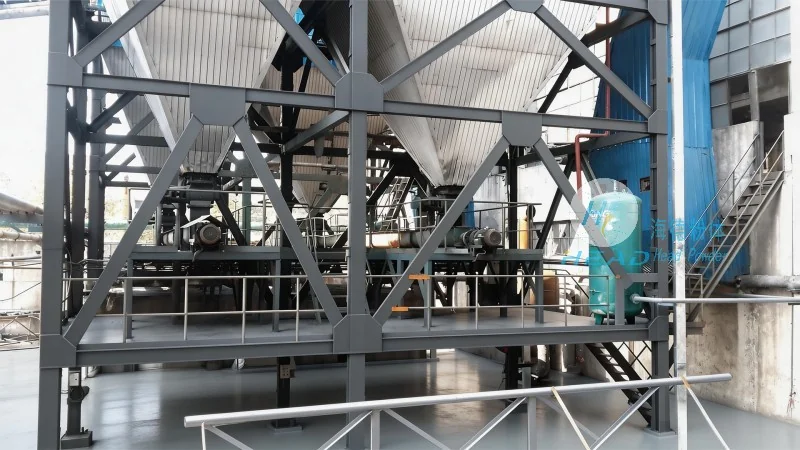
Design Principles for Optimal Performance
The design principles of a dust-free metering pneumatic conveying system are centered on precision, efficiency, and cleanliness. One of the fundamental principles is the use of positive displacement or rotary valves for metering, which ensures accurate control over the material flow rate. This is crucial for applications where exact dosing is required, such as in pharmaceutical manufacturing or food processing. Another key principle is the implementation of a sealed system, which prevents dust and particles from escaping into the environment. The system’s design also considers the material’s properties, such as particle size, density, and moisture content, to optimize the conveying process. For example, for materials that are prone to bridging or caking, the system may include vibration or agitator mechanisms to maintain consistent flow. The use of high-quality materials, such as stainless steel for the conveying line and components, further enhances the system’s durability and resistance to corrosion.
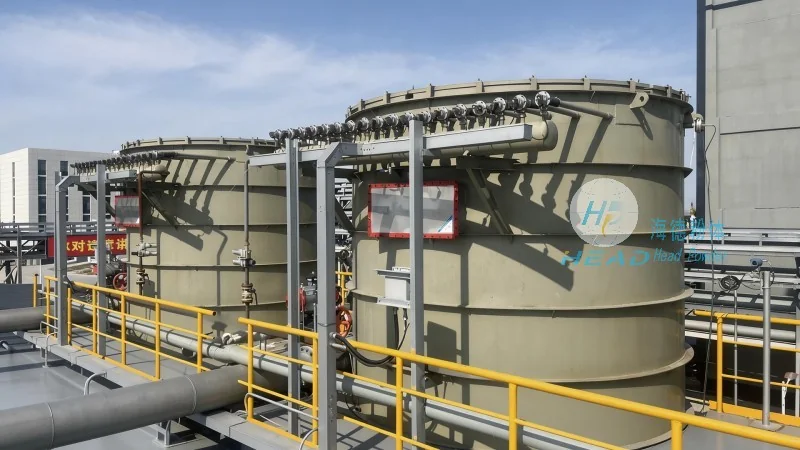
Applications and Benefits
Dust-free metering pneumatic conveying systems are widely used in various industries due to their versatility and effectiveness. In the pharmaceutical industry, they are essential for transporting active pharmaceutical ingredients (APIs) and excipients with high purity requirements. The system’s ability to maintain a sterile environment and prevent cross-contamination is critical for meeting regulatory standards. In the food industry, these systems are used to handle powders like flour, sugar, and spices, ensuring that the final product remains free from contaminants. The benefits of using such a system extend beyond just cleanliness; they also include improved process control, reduced material waste, and increased production efficiency. Additionally, the sealed design minimizes the risk of dust explosions, making it a safer option for facilities handling flammable powders.
Customization and Integration
Shandong HeadPowder Engineering Co., Ltd. recognizes that no two industrial applications are identical, which is why they offer customized solutions for their dust-free metering pneumatic conveying systems. The company works closely with clients to understand their specific needs, such as the type of material being handled, the required flow rate, and the space constraints of the facility. Based on this information, they design a system that is optimized for performance and efficiency. The systems can be integrated with existing equipment, such as mixers, blenders, or packaging machines, to create a seamless production line. This integration ensures that the material is handled from the point of origin to the final product without any interruptions or contamination. The company also provides after-sales support, including maintenance and troubleshooting services, to ensure that the system operates at peak performance throughout its lifespan.