

What is a Cement Additive Pneumatic Conveying Line? And What Are Its Design Principles?
When it comes to industrial material handling, especially in the cement and related industries, efficient and reliable conveying systems are crucial for maintaining production efficiency and ensuring product quality. HeadPowder, a leading engineering company based in Shandong, China, specializes in the design and manufacturing of advanced material handling systems, including cement additive pneumatic conveying lines. This article aims to explore what this technology entails and delve into its fundamental design principles, providing a comprehensive understanding for those interested in industrial material transport solutions.
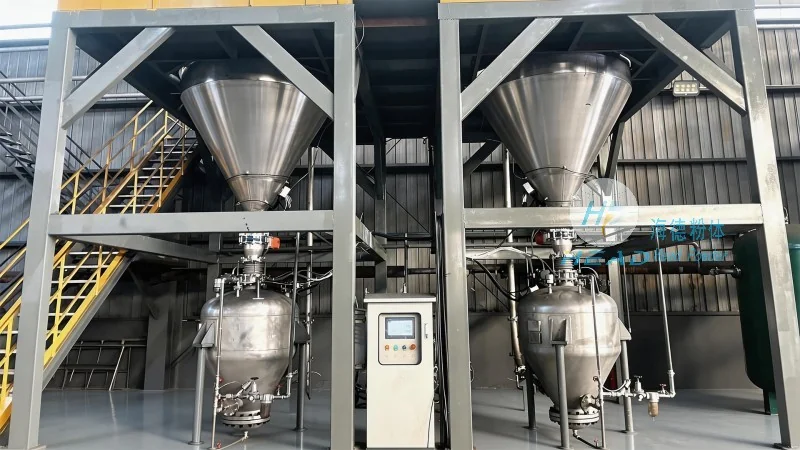
Cement Additive Pneumatic Conveying Line: An Overview
A cement additive pneumatic conveying line is a specialized system designed to transport dry bulk materials, such as cement additives, from one location to another within a production facility or between different stages of the cement manufacturing process. These additives, which may include fly ash, slag, limestone, or other supplementary cementitious materials, are essential for enhancing the performance and sustainability of cement products. The pneumatic conveying method utilizes air as the conveying medium, allowing for the transport of these materials in a dust-free, controlled manner, which is particularly important in environments where dust control and product purity are critical.
The Core Components of a Cement Additive Pneumatic Conveying System
At the heart of any pneumatic conveying line is a series of interconnected components that work in harmony to achieve efficient material transport. The primary components typically include a material hopper or feeder, a conveying line (either positive or negative pressure), a dust collection system, and a receiving hopper or silo. Each component plays a vital role in the overall operation of the system.
The material hopper or feeder is responsible for storing and feeding the cement additives into the conveying line. It is designed to handle the bulk material and ensure a consistent flow rate, which is crucial for maintaining the efficiency of the conveying process. The feeder may be a rotary valve, a screw feeder, or a vibratory feeder, depending on the specific requirements of the material and the system design.
The conveying line itself is the central part of the system, where the material is transported using air. There are two main types of pneumatic conveying systems: positive pressure and negative pressure. Positive pressure systems use a blower or compressor to push air and material through the line, while negative pressure systems use a vacuum to draw material into the line. The choice between these two depends on factors such as the distance to be covered, the material characteristics, and the desired system efficiency.
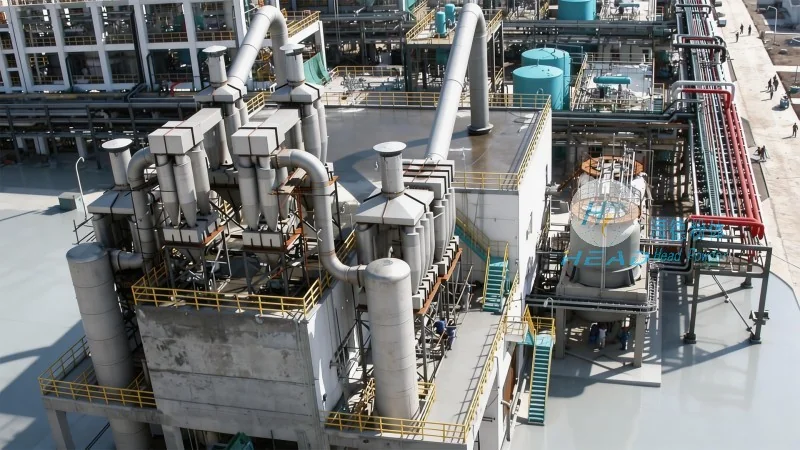
Following the conveying line is the dust collection system, which is essential for maintaining a clean and safe working environment. This system typically includes a filter or cyclone separator that removes dust particles from the air before it is released back into the facility. The collected dust is then returned to the material hopper or disposed of as per the facility's waste management procedures.
The receiving hopper or silo is where the transported material is deposited. It is designed to store the material until it is used in the next stage of the cement production process. The hopper may be equipped with a discharge valve or a rotary valve to control the flow of material out of the system.
Design Principles for Optimal Performance
The design of a cement additive pneumatic conveying line is a critical aspect that directly impacts its performance, efficiency, and longevity. Several key principles are considered during the design process to ensure the system operates effectively and meets the specific needs of the application.
Firstly, the system design must account for the material characteristics. This includes the particle size, density, and flowability of the cement additives. For example, materials with high moisture content or fine particles may require special considerations, such as the use of a pre-drying system or a more robust filter to prevent clogging. The design must also consider the material's dustiness, as excessive dust can lead to system inefficiencies and increased maintenance requirements.
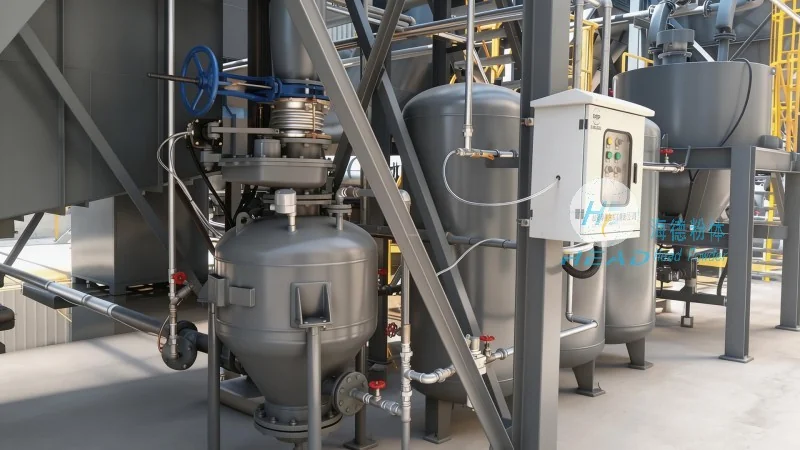
Secondly, the system must be designed to handle the required material flow rate and conveying distance. The flow rate is determined by the production requirements and the capacity of the downstream processes. The conveying distance is a critical factor, as it affects the pressure drop and the power consumption of the system. A well-designed system will optimize these parameters to minimize energy consumption while ensuring the material is transported at the desired speed.
Thirdly, the system must be designed with dust control and safety in mind. This includes the use of appropriate filtration systems, explosion-proof components, and proper ventilation to prevent the accumulation of dust and ensure a safe working environment. The design must also consider the environmental impact of the system, such as the emissions of dust and the noise generated by the equipment.
Fourthly, the system must be designed for ease of maintenance and operation. This includes the use of accessible components, clear labeling, and user-friendly controls. The system should also be designed to allow for easy cleaning and replacement of parts, reducing downtime and maintenance costs.
Applications and Benefits in Cement Manufacturing
Cement additive pneumatic conveying lines are widely used in the cement industry for the transport of various supplementary cementitious materials. These materials are added to the cement mix to improve its properties, such as strength, durability, and workability. The use of pneumatic conveying systems offers several benefits over traditional methods, such as belt conveyors or bucket elevators.
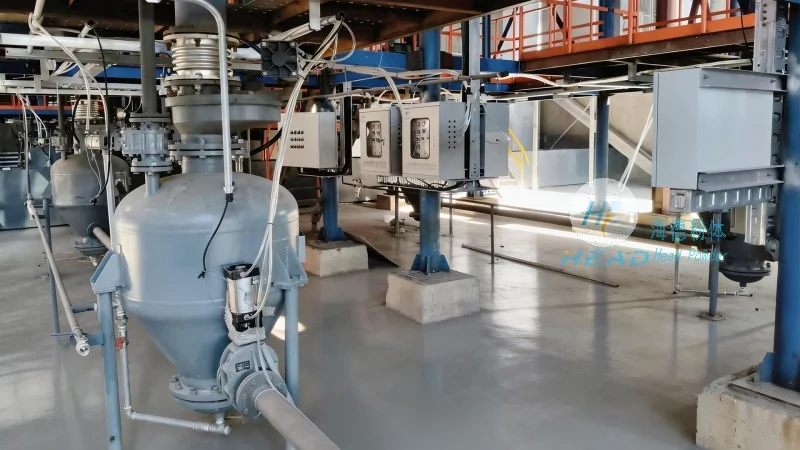
One of the primary benefits is the ability to transport materials in a dust-free environment. This is particularly important in cement manufacturing, where dust can affect the quality of the final product and pose health risks to workers. Pneumatic conveying systems also allow for the transport of materials at high speeds, which can increase the overall production efficiency of the facility.
Another benefit is the flexibility of the system. Pneumatic conveying lines can be easily modified or expanded to accommodate changes in production requirements or to add new material sources. This makes them a cost-effective solution for facilities that need to adapt to changing market conditions or production goals.
Furthermore, pneumatic conveying systems are relatively low maintenance compared to other material handling systems. The absence of moving parts in the conveying line itself reduces the risk of mechanical failure and the need for frequent repairs. The system also requires less space compared to traditional conveyors, making it ideal for facilities with limited floor space.
Conclusion
In conclusion, a cement additive pneumatic conveying line is a sophisticated and efficient system designed to transport dry bulk materials in the cement industry. Its design principles, which include consideration of material characteristics, conveying distance, dust control, and maintenance, are crucial for ensuring optimal performance and long-term reliability. The benefits of using such a system, including dust-free transport, high efficiency, and flexibility, make it an essential component of modern cement manufacturing facilities. As the demand for sustainable and high-performance cement products continues to grow, the importance of efficient material handling systems like the cement additive pneumatic conveying line will only increase.