

What is a Clay Pneumatic Conveying Machine? And What Are Its Design Principles?
Clay pneumatic conveying machines are specialized equipment designed to transport clay materials through a pipeline using air pressure. These systems are widely used in industries such as ceramics, construction, and chemical processing, where efficient and dust-free material handling is crucial. The core function of a clay pneumatic conveyor is to move clay from a source, like a hopper or storage silo, to a destination, such as a processing plant or packaging area, by utilizing compressed air to create a flow of material. This method offers several advantages over traditional mechanical conveying systems, including reduced maintenance, lower energy consumption, and improved safety by minimizing exposure to dust and particulate matter.
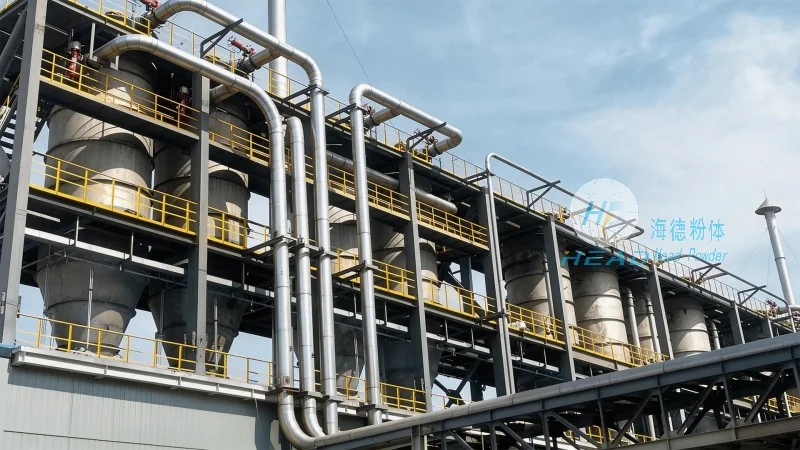
HeadPowder: A Leading Manufacturer of Clay Pneumatic Conveying Solutions
At Shandong HeadPowder Engineering Co., Ltd., we specialize in the design, manufacturing, and supply of high-quality clay pneumatic conveying machines. With years of experience in the industry, our team of engineers and technicians has developed advanced solutions tailored to meet the unique needs of our clients. HeadPowder is committed to providing reliable and efficient equipment that enhances productivity and ensures compliance with industry standards. Our company, located in Shandong, China, leverages cutting-edge technology and rigorous quality control processes to deliver products that stand the test of time. Whether you are in the ceramics industry, construction sector, or chemical processing field, HeadPowder offers tailored solutions to optimize your material handling operations.
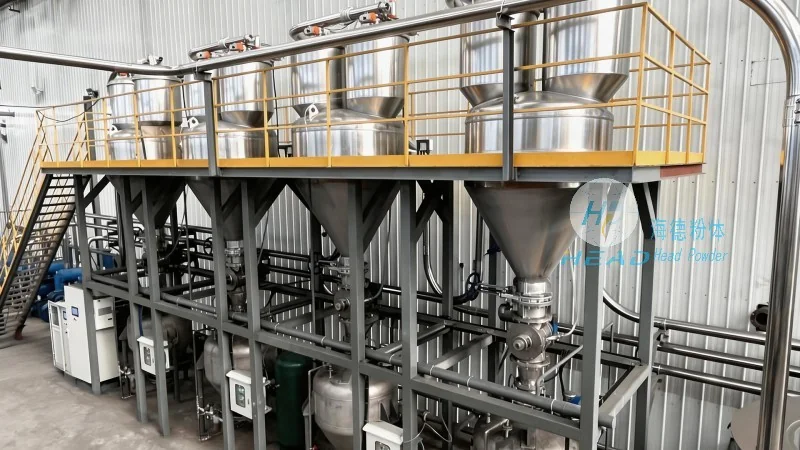
The Fundamental Design Principles of Clay Pneumatic Conveying Machines
The design of a clay pneumatic conveying machine is based on several key principles that ensure efficient and reliable operation. The primary principle is the use of air pressure to create a flow of material. Compressed air is introduced into the conveying line, creating a pressure differential that propels the clay particles forward. The system typically consists of several components, including a hopper, feeder, air compressor, and pipeline. The hopper holds the clay, and the feeder controls the flow rate of the material into the pipeline. The air compressor generates the necessary pressure to move the clay, while the pipeline transports the material to the destination. The design also considers factors such as the particle size and moisture content of the clay, as these can affect the conveying efficiency. For example, finer clay particles may require higher air pressure to maintain a stable flow, while higher moisture content can increase the risk of clogging. Our engineers at HeadPowder carefully analyze these factors to design systems that are optimized for specific applications.
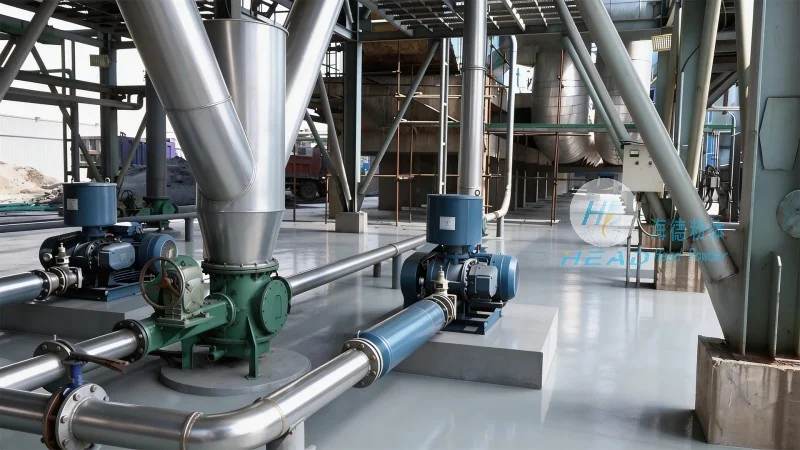
Key Components and Their Functions in a Clay Pneumatic Conveying System
A clay pneumatic conveying system comprises several critical components, each playing a vital role in the overall operation. The first component is the hopper, which stores the clay and provides a consistent feed to the system. The hopper is typically designed with a sloped bottom to facilitate the flow of material into the feeder. The feeder, often a rotary valve or screw feeder, controls the rate at which clay enters the pipeline, ensuring a steady flow and preventing overloading. The air compressor is the heart of the system, generating the compressed air needed to move the clay. It must be capable of delivering sufficient pressure and volume to handle the material's characteristics. The pipeline, usually made of stainless steel or other corrosion-resistant materials, transports the clay from the source to the destination. The pipeline is designed with appropriate bends and fittings to minimize pressure loss and prevent clogging. At the destination, a receiver or silo collects the clay, and a discharge valve controls the release of the material. The system may also include a filter or cyclone to separate the clay from the air, ensuring that the air is clean and can be reused or released safely. Each component is carefully selected and designed to work in harmony, ensuring the efficient and reliable operation of the entire system.
Advantages of Using Clay Pneumatic Conveying Machines
Clay pneumatic conveying machines offer numerous advantages over traditional mechanical conveying methods. One of the most significant benefits is the reduction in dust and particulate matter, which improves workplace safety and reduces the risk of respiratory issues for workers. This is particularly important in industries where clay is handled in large quantities, as dust can be a major health hazard. Additionally, pneumatic conveying systems are more energy-efficient than mechanical systems, as they require less power to move the material. The lack of moving parts in the pipeline also reduces maintenance requirements, resulting in lower operational costs over time. Another advantage is the ability to transport clay over long distances without the need for intermediate storage or transfer points. This allows for a more streamlined and integrated material handling process, improving overall productivity. Furthermore, the system can be easily integrated with other equipment, such as mixers or processing plants, to create a seamless workflow. The flexibility of pneumatic conveying systems also allows for adjustments to the flow rate and pressure, enabling operators to adapt to changing production needs. These advantages make clay pneumatic conveying machines an ideal choice for many industrial applications.
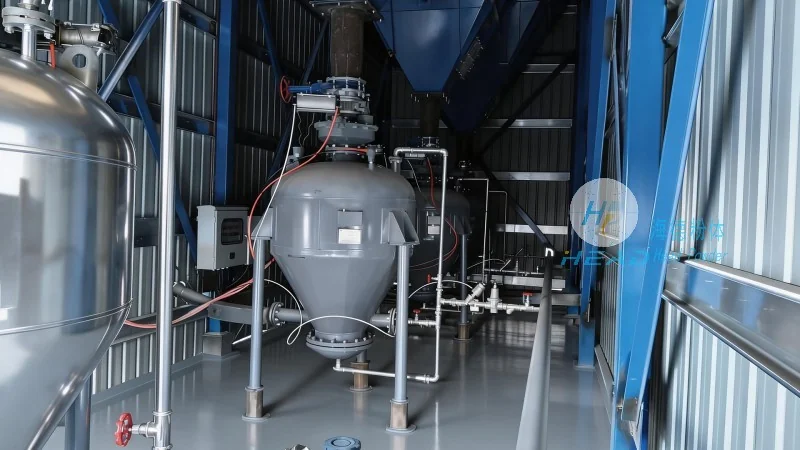
Applications of Clay Pneumatic Conveying Machines in Various Industries
Clay pneumatic conveying machines are used in a wide range of industries, each with specific requirements for material handling. In the ceramics industry, these systems are commonly used to transport clay from storage silos to production lines, where it is used to make bricks, tiles, or other ceramic products. The ability to handle fine clay particles without clogging is essential in this application, as any disruption in the flow can impact the quality of the final product. In the construction industry, clay pneumatic conveyors are used to transport clay for brick-making or as a raw material for cement production. The system's ability to handle large volumes of material efficiently makes it suitable for high-volume production. In the chemical processing industry, clay is used as a filler or additive in various products, and pneumatic conveying systems ensure that the material is transported safely and without contamination. The chemical resistance of the materials used in the system, such as stainless steel, is crucial in these applications to prevent corrosion and maintain product purity. The food industry also uses clay pneumatic conveying machines, particularly in the production of food additives or as a component in certain food products. The system's ability to maintain a sterile environment and prevent cross-contamination is critical in food processing. Overall, the versatility of clay pneumatic conveying machines makes them suitable for a variety of industrial applications, where efficient and reliable material handling is essential.