

What is a Rice Flour Pneumatic Conveying System Equipment? Exploring Its Design Principles
For many food processing facilities, especially those handling fine powders like rice flour, efficient and reliable material handling is crucial. This is where the rice flour pneumatic conveying system equipment comes into play, offering a solution that combines performance, hygiene, and adaptability. In this article, we will explore what this equipment is and delve into the underlying design principles that make it effective for transporting rice flour and similar powders.
What is a Rice Flour Pneumatic Conveying System Equipment?
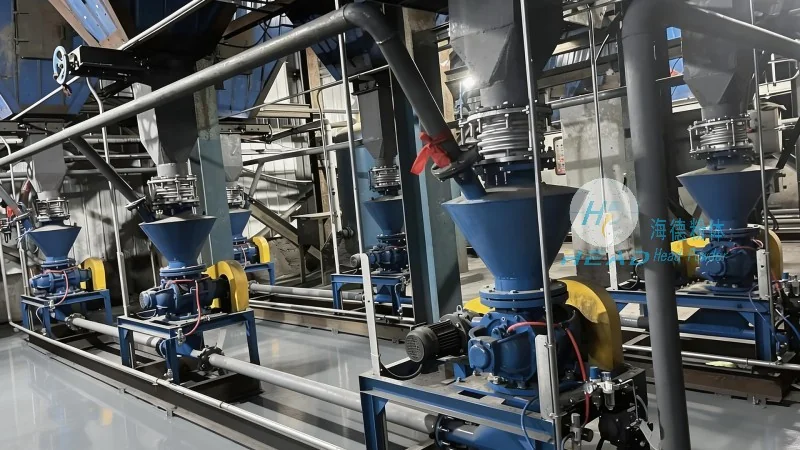
A rice flour pneumatic conveying system equipment is a specialized device used to transport rice flour and other fine powders through a pipeline using air or gas as the conveying medium. Unlike traditional mechanical conveyors that rely on belts or screws, pneumatic systems use pressure differentials to move material, making them ideal for handling delicate, hygroscopic, or abrasive powders like rice flour. These systems are commonly used in food processing, pharmaceuticals, and chemical industries where maintaining product quality and preventing contamination is paramount.
Key Components of the System
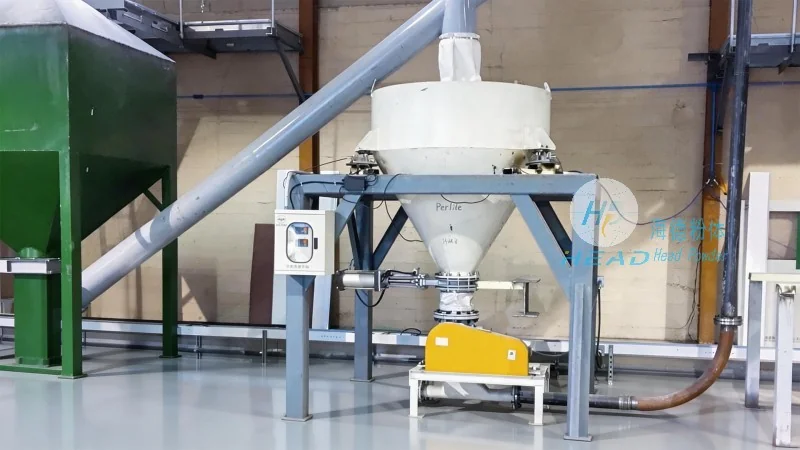
The rice flour pneumatic conveying system typically consists of several key components that work together to ensure efficient material transport. The main parts include a hopper for material storage, a feeder to control the flow of rice flour into the system, a conveying line (usually made of stainless steel to prevent corrosion and maintain hygiene), a blower or compressor to generate the air pressure, and a receiver or collection tank to store the conveyed material. Each component plays a critical role in the overall operation, and their design and integration are crucial for the system's performance.
Design Principles Behind the System
The design principles of a rice flour pneumatic conveying system are centered around the physics of fluidization and pressure differentials. The primary principle is the use of air to create a "fluidized" state where the rice flour particles are suspended and moved through the pipeline. This is achieved by introducing air at a specific velocity and pressure, which overcomes the gravitational force acting on the powder particles. The system's design must consider factors such as the particle size, density, and moisture content of the rice flour, as these properties affect the required air velocity and pressure to achieve effective conveying. Additionally, the system must be designed to minimize product degradation, prevent clogging, and ensure easy cleaning and maintenance.
How the System Works: A Step-by-Step Overview
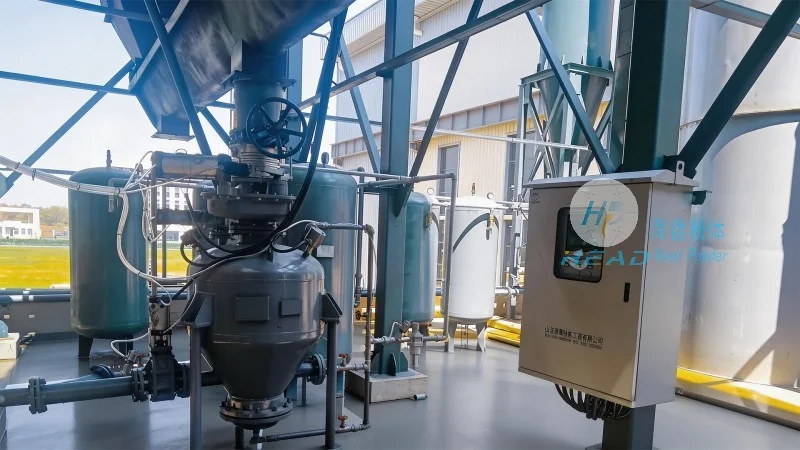
When the rice flour is introduced into the hopper, the feeder regulates the flow rate, ensuring a consistent supply of material. The blower then generates the necessary air pressure, which is introduced into the conveying line. As the air flows through the line, it lifts and carries the rice flour particles, moving them from the hopper to the receiver. The receiver collects the conveyed material and may include features such as a filter to remove any fine particles or moisture from the air. The system is designed to operate continuously, with the blower running continuously to maintain the air pressure and ensure smooth material transport. The entire process is controlled by a system of valves, sensors, and controls that monitor the flow rate, pressure, and temperature to ensure optimal performance.
Advantages of Using a Rice Flour Pneumatic Conveying System
There are several advantages to using a rice flour pneumatic conveying system for material handling. First, it offers a completely enclosed system, which helps maintain product hygiene and prevents contamination from external sources. This is particularly important in food processing applications where product safety is a top priority. Second, pneumatic systems are flexible and can be easily adapted to different production needs, with the ability to change the conveying line length or diameter as required. Third, they are relatively low maintenance compared to traditional mechanical conveyors, as there are fewer moving parts that can wear out or break. Finally, pneumatic systems can handle a wide range of particle sizes and shapes, making them suitable for various applications beyond rice flour, such as other food powders or chemical powders.
The Role of Shandong HeadPowder Engineering Co., Ltd.
Shandong HeadPowder Engineering Co., Ltd., a leading manufacturer based in China, specializes in the design, manufacturing, and supply of rice flour pneumatic conveying system equipment. With years of experience in the industry, the company has developed a reputation for producing high-quality, reliable, and efficient systems that meet the needs of food processing facilities worldwide. The company's products are designed with the latest technology and engineering principles, ensuring that they are durable, easy to maintain, and capable of handling the demands of modern production lines. HeadPowder's commitment to quality and customer satisfaction has made them a trusted partner for many food processing companies, providing them with the equipment they need to improve their material handling processes and enhance their overall productivity.