

Polycarbonate Pneumatic Conveying System Equipment: Understanding Its Function and Design Principles
Polycarbonate pneumatic conveying systems represent a sophisticated solution for material handling in various industrial applications. These systems utilize air or gas to transport bulk materials from one location to another, offering a flexible and efficient alternative to traditional mechanical conveying methods. The primary component of such a system is the polymeric material, specifically polycarbonate, which is chosen for its unique combination of properties that enhance performance and durability.
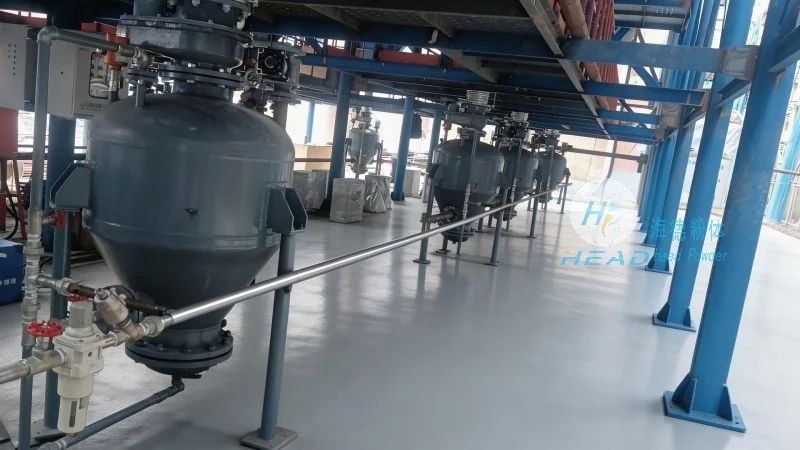
Key Features of Polycarbonate Pneumatic Conveying Equipment
Polycarbonate, a thermoplastic polymer, is prized in pneumatic conveying applications for its high impact resistance, excellent optical clarity, and resistance to a wide range of chemicals. These characteristics make it ideal for handling sensitive materials that may be prone to degradation or contamination when exposed to harsh environments. The equipment typically includes components such as hopper feeders, ductwork, and control valves, all designed to work in harmony to ensure smooth material flow. The use of polycarbonate in these components minimizes the risk of material buildup and reduces the likelihood of clogging, which is a common issue in traditional metal or plastic systems.
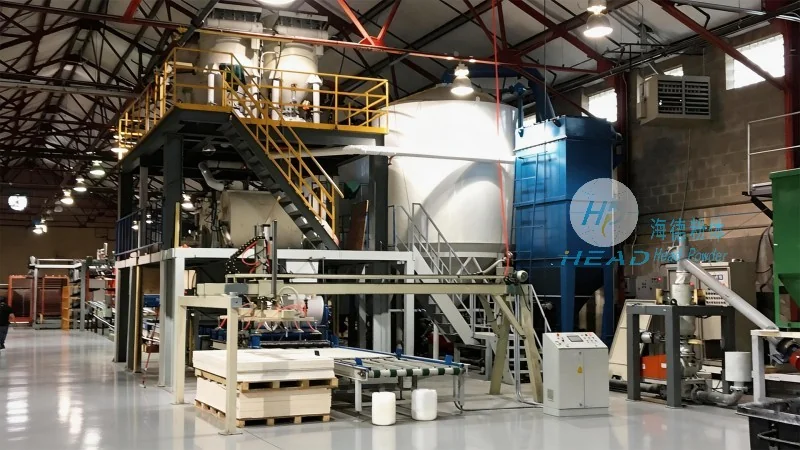
Design Principles Behind Polycarbonate Pneumatic Conveying Systems
The design of a polycarbonate pneumatic conveying system is rooted in the principles of fluid dynamics and material science. The system operates by creating a pressure differential between the inlet and outlet of the conveying line. This differential is achieved by either using a positive pressure system, where air is forced into the system, or a negative pressure system, where air is drawn out. The choice between these systems depends on the specific material being conveyed, its density, and the distance it needs to travel. Polycarbonate components are engineered to withstand the pressure and temperature variations inherent in these operations, ensuring long-term reliability. The design also incorporates features like adjustable velocity control and material separation mechanisms to optimize the conveying process and prevent product degradation.
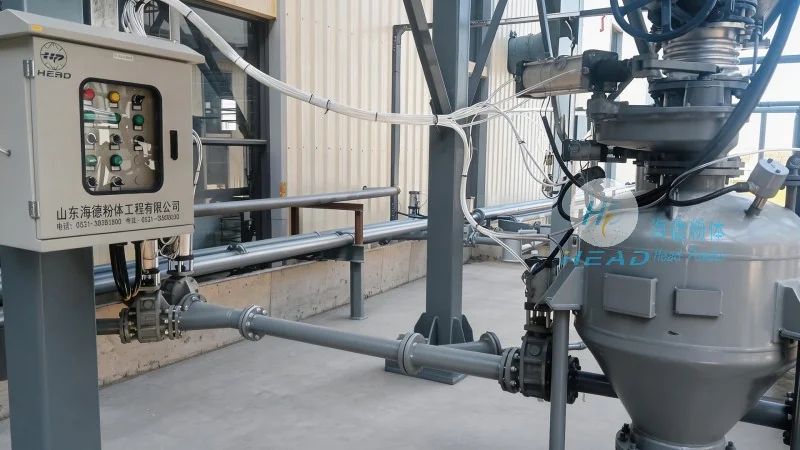
Applications and Benefits of Polycarbonate Pneumatic Conveying Systems
Polycarbonate pneumatic conveying systems are widely used in industries such as pharmaceuticals, food processing, and chemical manufacturing. Their ability to handle fine powders and granules without contamination makes them particularly suitable for applications where product purity is paramount. The systems offer several advantages over traditional conveying methods, including reduced labor costs, minimized equipment downtime, and improved safety. By eliminating the need for mechanical components like belts or chains, the risk of mechanical failure and associated maintenance is significantly reduced. Additionally, the use of polycarbonate materials allows for easy cleaning and sterilization, which is critical in industries where hygiene standards are strictly enforced.
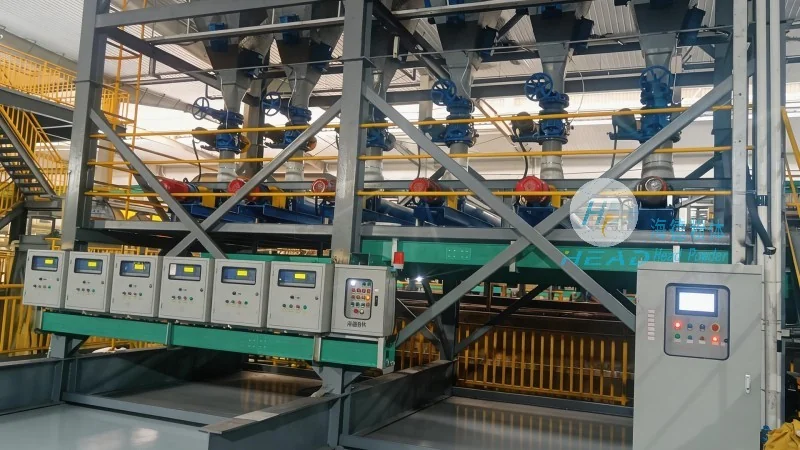
Customization and Maintenance Considerations
Shandong HeadPowder Engineering Co., Ltd., a leading manufacturer of pneumatic conveying systems, offers customized solutions tailored to the specific needs of each client. The company’s expertise lies in designing systems that integrate polycarbonate components with other materials to achieve optimal performance. Regular maintenance is essential to ensure the longevity and efficiency of the system. This includes cleaning the polycarbonate ducts and components, checking for wear and tear, and verifying the performance of control valves. The company provides comprehensive maintenance services to help clients maximize the lifespan of their equipment and minimize operational disruptions.