

What is Wheat Powder Conveying? And What Are Its Design Principles?
Wheat powder conveying is a critical process in the grain processing industry, involving the efficient transport of wheat flour or other wheat-derived powders from one location to another. This operation is essential for maintaining production efficiency and ensuring the quality of the final product. The process requires specialized equipment and a well-thought-out design to handle the unique properties of wheat powder, such as its fine particle size, hygroscopic nature, and potential for bridging or caking. Understanding the fundamentals of wheat powder conveying and its design principles is crucial for industries like food processing, baking, and animal feed production.
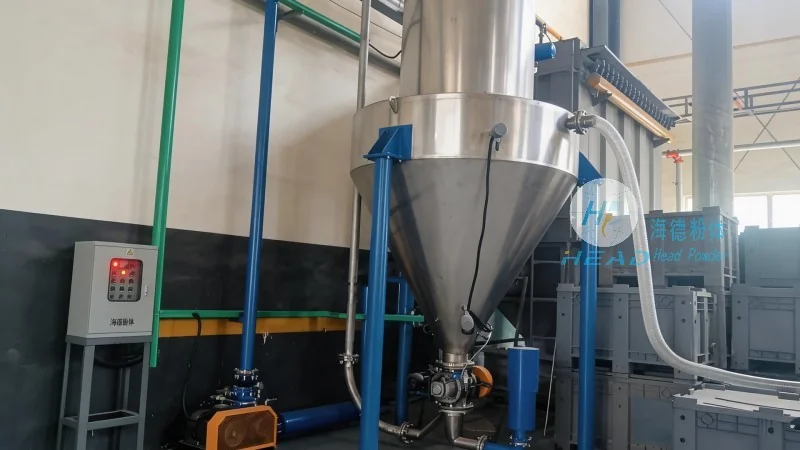
The Role of HeadPowder in Wheat Powder Conveying Solutions
HeadPowder, a leading provider of powder handling solutions, specializes in designing and manufacturing systems tailored to the specific needs of wheat powder conveying. With a focus on innovation and reliability, HeadPowder offers a range of equipment that addresses the challenges associated with handling wheat powder, including its tendency to form clumps or adhere to surfaces. The company’s expertise lies in creating customized solutions that optimize the conveying process, minimize product loss, and ensure compliance with industry standards. By leveraging advanced engineering and material science, HeadPowder’s systems enhance the overall efficiency of wheat powder handling operations.
Key Design Principles for Wheat Powder Conveying Systems
The design of a wheat powder conveying system is based on several key principles that ensure safe, efficient, and reliable operation. First, the system must address the hygroscopic nature of wheat powder, which can lead to moisture absorption and subsequent caking. Proper moisture control and material selection are critical to prevent these issues. Second, the system should minimize the risk of product degradation, as wheat powder is sensitive to temperature and air exposure. This involves using materials that are non-reactive and maintaining a controlled environment during transport. Third, the design must consider the particle size distribution of the wheat powder, as different sizes may require different conveying methods. For example, fine powders may be more prone to dusting and require enclosed systems to prevent loss and contamination. Fourth, the system should incorporate features that prevent bridging and arching, which are common problems in powder handling. This can be achieved through the use of agitators, vibrators, or air-assisted conveying methods.
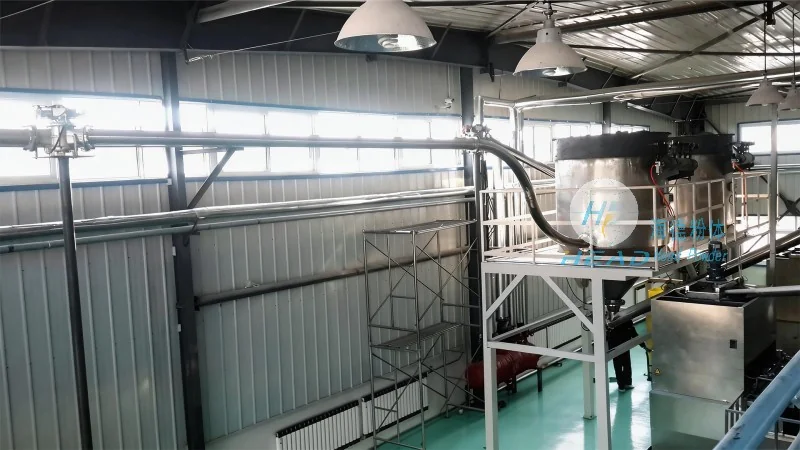
Equipment Components in Wheat Powder Conveying Systems
A typical wheat powder conveying system consists of several key components that work together to achieve efficient transport. The primary components include a hopper or storage bin to hold the wheat powder, a conveyor or pump to move the material, and a control system to regulate the flow. The hopper is designed to prevent the powder from bridging or caking, often with sloped walls and internal agitators. The conveyor may be a pneumatic system, where air is used to transport the powder through a pipeline, or a mechanical system, such as a screw conveyor or belt conveyor. Pneumatic systems are particularly effective for fine powders, as they can handle high volumes with minimal product loss and contamination. The control system monitors the flow rate, pressure, and other parameters to ensure the system operates within optimal conditions. Additionally, the system may include filters and cyclones to separate any fines or dust from the main flow, maintaining product purity.
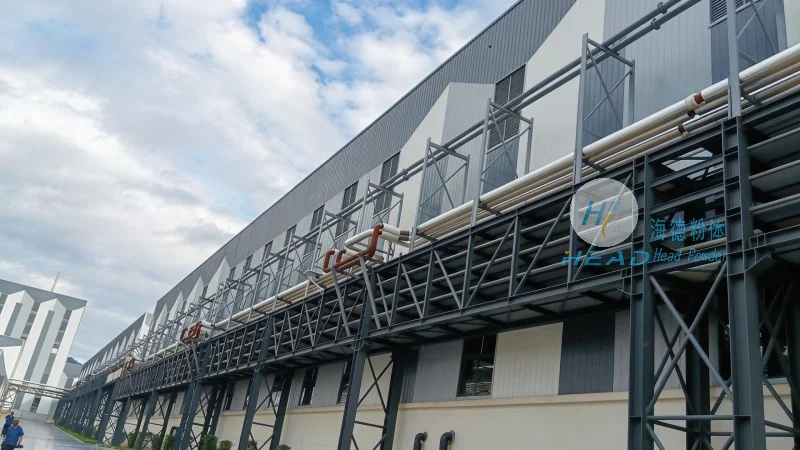
Benefits of Implementing Advanced Wheat Powder Conveying Solutions
Adopting advanced wheat powder conveying solutions offers numerous benefits for businesses in the grain processing industry. First, it improves operational efficiency by reducing downtime and minimizing product loss. By preventing caking and bridging, the system ensures a consistent flow of material, which leads to higher production rates. Second, it enhances product quality by maintaining the integrity of the wheat powder. Proper moisture control and minimal exposure to air and temperature changes preserve the nutritional value and flavor of the product. Third, it increases safety by reducing the risk of dust explosions and other hazards associated with powder handling. Enclosed systems and proper ventilation help mitigate these risks. Fourth, it provides cost savings through reduced maintenance and lower energy consumption. Advanced systems are designed to be more durable and energy-efficient, leading to long-term savings for the company.
Case Study: HeadPowder’s Wheat Powder Conveying System for a Baking Company
One of the notable applications of HeadPowder’s wheat powder conveying solutions is in a large-scale baking company. The company was facing significant challenges with their existing system, including frequent caking in the hopper and high dust levels during transport. After consulting with HeadPowder engineers, the company implemented a new system that included a modified hopper with internal vibrators and a pneumatic conveying line with cyclones. The results were immediate and significant. The caking issue was resolved, and the dust levels were reduced by 90%. The production rate increased by 20%, and the overall maintenance costs decreased by 15%. This case study highlights the effectiveness of HeadPowder’s customized solutions in addressing specific industry challenges and improving operational performance.