

What is Sodium Chloride Powder Handling? Understanding Its Design Principles
When it comes to the efficient and reliable transportation of sodium chloride powder, understanding the underlying principles of powder handling systems is crucial. This article delves into the specifics of sodium chloride powder handling, exploring the design principles that ensure optimal performance and safety in industrial applications.
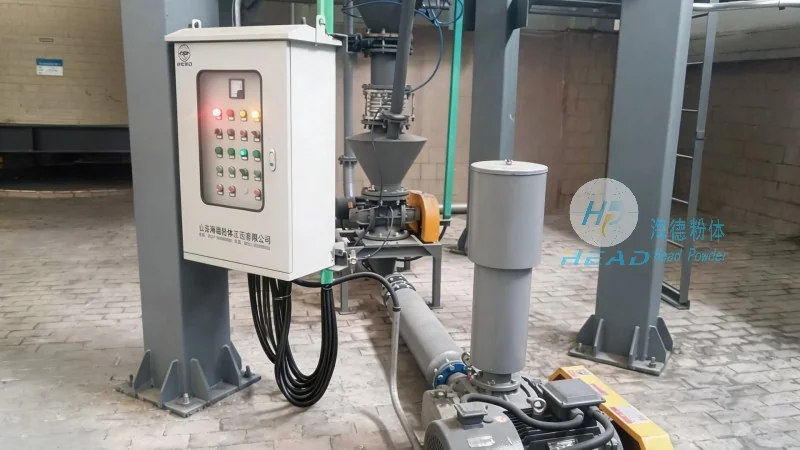
About Shandong HeadPowder Engineering Co., Ltd.
As a leading provider in the field, Shandong HeadPowder Engineering Co., Ltd. specializes in the design, manufacturing, and implementation of advanced powder handling solutions. With a strong commitment to quality and innovation, the company has established itself as a trusted partner for industries relying on sodium chloride processing and transportation. HeadPowder, as the company is commonly known, operates from its headquarters in Shandong, China, leveraging local expertise and global standards to deliver tailored solutions for diverse industrial needs.
Defining Sodium Chloride Powder Handling
Sodium chloride, commonly known as table salt, is a widely used chemical compound in various industries, including food processing, pharmaceuticals, and chemical manufacturing. Powder handling refers to the process of moving bulk sodium chloride powder from one location to another within a facility or between different facilities. This involves a series of equipment and systems designed to ensure the material is transported efficiently, safely, and without degradation. The design of these systems is critical, as it directly impacts the overall performance, cost-effectiveness, and operational safety of the process.
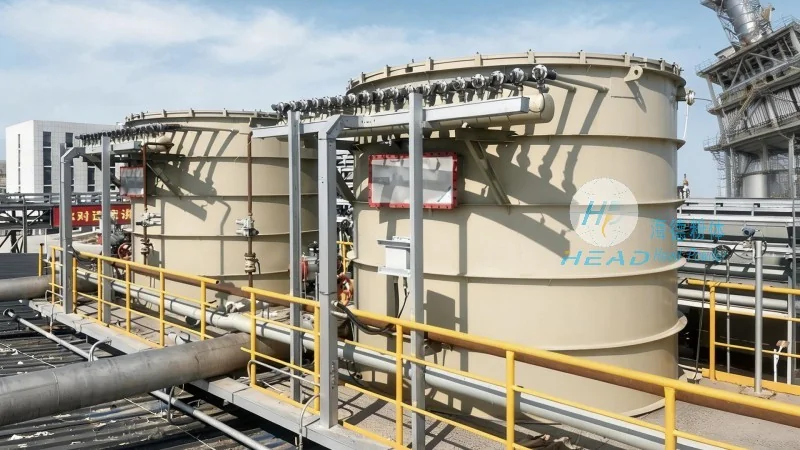
Key Design Principles for Sodium Chloride Powder Handling Systems
The design of sodium chloride powder handling systems follows several fundamental principles to ensure optimal performance. First, the selection of appropriate equipment is essential. This includes conveyors, feeders, and storage vessels that are specifically designed to handle the characteristics of sodium chloride powder, such as its particle size, flowability, and moisture content. For example, screw conveyors and pneumatic conveyors are commonly used, each with its own advantages depending on the specific application requirements. The choice of equipment must consider factors like the material's bulk density, angle of repose, and potential for caking or bridging.
Second, system integration and control are critical. A well-designed powder handling system integrates various components, such as feeders, conveyors, and control panels, to operate seamlessly. Automated control systems are often employed to monitor and adjust the flow rate, pressure, and other parameters in real-time. This ensures consistent and reliable operation, minimizing the risk of material buildup, blockages, or spills. Additionally, the design must incorporate safety features, such as dust suppression systems and emergency shut-off mechanisms, to protect personnel and the environment.
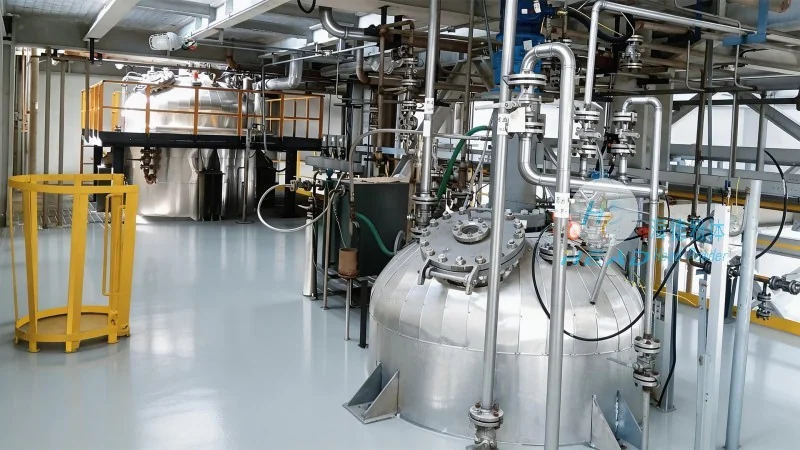
Third, material handling efficiency is a key consideration. The design aims to minimize energy consumption while maximizing throughput. This involves optimizing the conveyor speed, feed rate, and system layout to achieve the desired production capacity. For sodium chloride powder, which is often used in large quantities, the efficiency of the handling system directly impacts the overall operational costs. Proper design also considers the need for cleaning and maintenance, ensuring that the system can be easily disassembled and cleaned to prevent contamination or material degradation.
Applications of Sodium Chloride Powder Handling
Sodium chloride powder handling systems are widely used in various industrial sectors. In the food industry, these systems are employed for the production of salt, seasoning blends, and other food products. The efficient transportation of sodium chloride ensures consistent quality and reduces processing time. In the pharmaceutical industry, sodium chloride is used as an excipient in drug formulations, and the handling systems must meet stringent regulatory requirements for purity and contamination control. Similarly, in the chemical manufacturing industry, sodium chloride is used as a raw material in the production of other chemicals, and the handling systems must be robust enough to handle high volumes and varying material conditions.
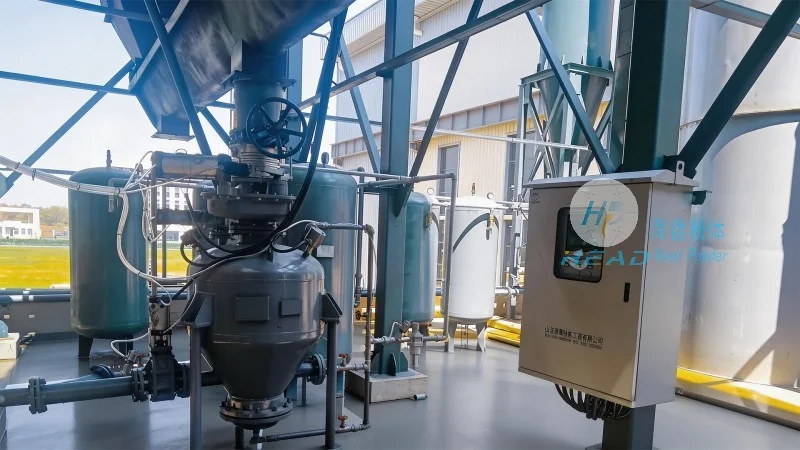
Advantages of Professional Powder Handling Solutions
Implementing a professionally designed sodium chloride powder handling system offers several advantages. First, it enhances operational efficiency by reducing downtime and improving throughput. Well-designed systems minimize the risk of equipment failure or material blockages, leading to smoother production processes. Second, it improves safety by incorporating dust suppression and emergency shutdown features. This protects workers from exposure to dust and ensures that the system can be quickly shut down in case of an emergency. Third, it reduces maintenance costs by using durable materials and components that are designed for long-term operation. The use of high-quality equipment and proper system design minimizes the need for frequent repairs or replacements.
Conclusion
In conclusion, sodium chloride powder handling is a critical aspect of industrial operations, and the design principles behind these systems play a vital role in ensuring their effectiveness. Shandong HeadPowder Engineering Co., Ltd. provides comprehensive solutions tailored to the specific needs of industries dealing with sodium chloride powder. By adhering to the fundamental design principles of equipment selection, system integration, and efficiency optimization, these systems ensure reliable and safe transportation of sodium chloride. For businesses seeking to enhance their powder handling capabilities, partnering with a reputable company like HeadPowder can lead to improved operational performance and cost savings.