

What is a High-Pressure Dilute Phase Powder Conveying System? And What Are Its Design Principles?
High-pressure dilute phase powder conveying systems represent a sophisticated technology used in the industrial sector for the efficient transportation of bulk powders over long distances. These systems are designed to handle various types of powders, including fine particles, granules, and other particulate materials, ensuring reliable and continuous material transfer. The core of such systems lies in their ability to maintain a dilute phase of the powder in a carrier gas, which facilitates smooth and low-resistance flow through pipelines.
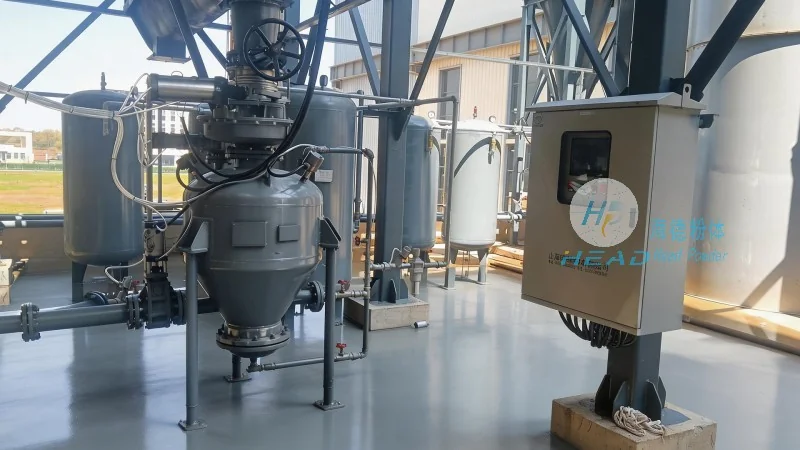
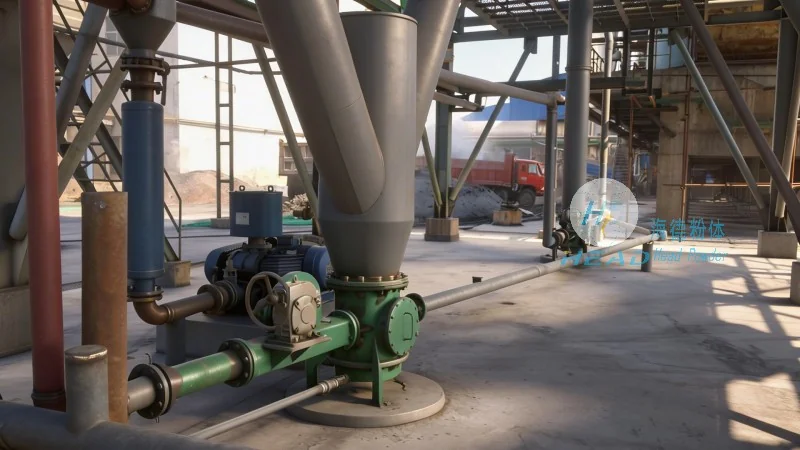
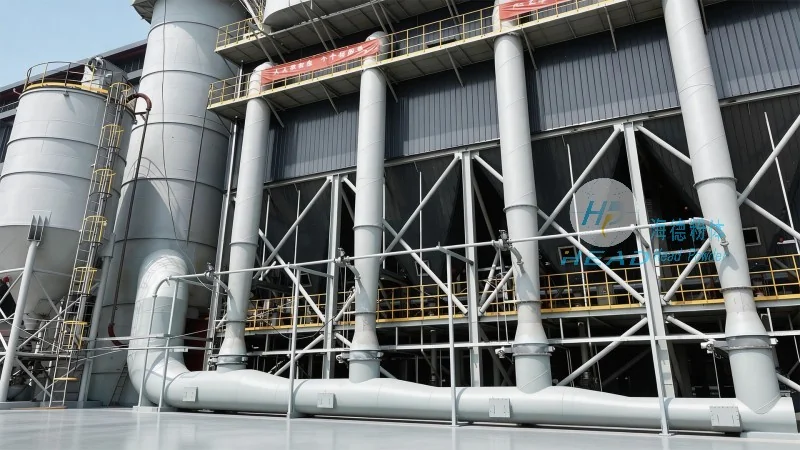
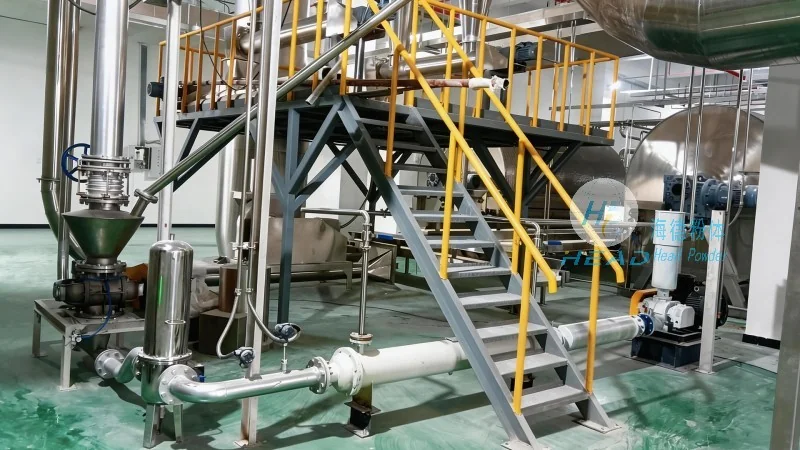
About Shandong HeadPowder Engineering Co., Ltd.
HeadPowder, the abbreviation for Shandong HeadPowder Engineering Co., Ltd., is a leading enterprise specializing in the research, development, and manufacturing of advanced powder handling equipment. With a strong focus on innovation and quality, the company has established itself as a trusted partner in the industry, providing customized solutions for diverse powder conveying needs. HeadPowder is headquartered in Shandong, China, where it operates its research and production facilities, leveraging local expertise and resources to deliver high-performance products.
Design Principles of High-Pressure Dilute Phase Powder Conveying Systems
The design of high-pressure dilute phase powder conveying systems is based on several key principles that ensure optimal performance and efficiency. The primary principle is the creation of a dilute phase, where the powder particles are suspended in a carrier gas at a low concentration. This is achieved by maintaining a high velocity of the gas, which prevents particle agglomeration and ensures uniform distribution. The system typically includes a positive displacement blower or compressor that generates the necessary pressure to drive the gas and powder mixture through the pipeline. The pipeline design, including the selection of appropriate materials and the incorporation of bends and fittings, is critical to minimize pressure drop and maintain the dilute phase condition throughout the conveying process. Additionally, the system may incorporate features such as pulse jets or airlocks to control the flow and prevent blockages, ensuring consistent operation.