

What is a Glass Raw Material Powder Conveying System? And What Are Its Design Principles?
Glass manufacturing relies on efficient handling of raw materials, and a critical component in this process is the powder conveying system designed to transport glass raw materials with precision and reliability. This article explores the fundamental aspects of such systems, including their design principles and the technology behind them, with a focus on the expertise of Shandong HeadPowder Engineering Co., Ltd., a leading provider in the field.
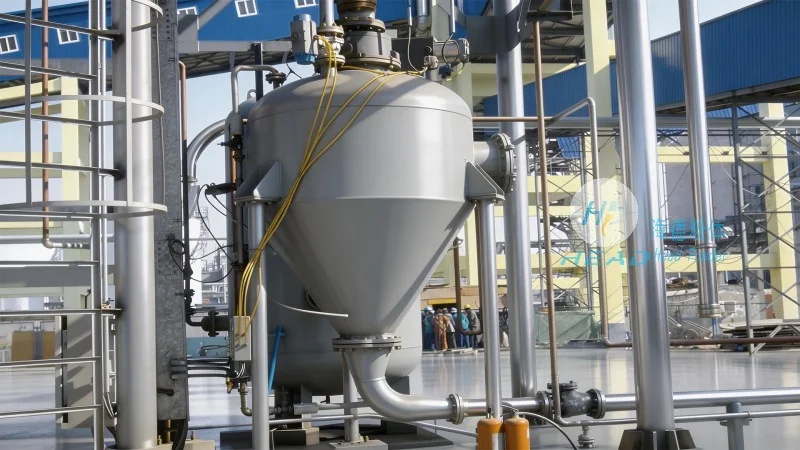
Understanding Glass Raw Material Powder Conveying Systems
At the core of glass production, the transportation of raw materials like silica sand, soda ash, limestone, and other additives is essential for maintaining consistent quality and production efficiency. A glass raw material powder conveying system is a specialized setup engineered to move these fine powders from storage silos or processing units to the melting furnace. The system must address challenges such as material segregation, moisture control, and the prevention of dust emissions, all while ensuring a steady flow that meets the demands of high-temperature glass manufacturing.
Key Design Principles for Efficient Conveying
The design of a glass raw material powder conveying system is guided by several critical principles aimed at optimizing performance and durability. First, the system must ensure minimal material degradation during transport, as glass raw materials are often sensitive to moisture and temperature changes. This is achieved through the use of sealed, airtight components and proper temperature control to prevent clumping or caking. Second, the conveying method must be energy-efficient and capable of handling high volumes of material without excessive wear on components. Common technologies include pneumatic conveying (using air pressure to move powders) and mechanical conveying (using screw or belt systems), each with its own advantages depending on the material properties and production scale.
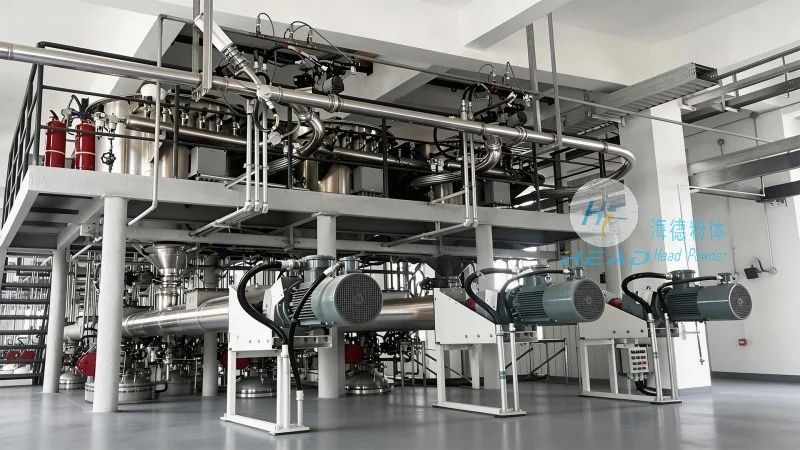
Third, the system must incorporate effective dust control measures to comply with environmental regulations and maintain a safe working environment. This typically involves the use of filtration systems and sealed ductwork to capture and neutralize airborne particles. Additionally, the design must allow for easy maintenance and cleaning to prevent material buildup and ensure long-term operational reliability. The integration of these principles results in a system that not only meets the technical requirements of glass production but also enhances overall plant safety and efficiency.
Role of Shandong HeadPowder Engineering Co., Ltd. in Glass Conveying Solutions
Shandong HeadPowder Engineering Co., Ltd., commonly known as HeadPowder, is a prominent player in the design and implementation of glass raw material powder conveying systems. With headquarters in Shandong, China, the company leverages years of experience in material handling technology to deliver customized solutions tailored to the specific needs of glass manufacturers. HeadPowder's expertise lies in understanding the unique challenges of glass raw materials and translating them into robust, efficient conveying systems that enhance production output and reduce operational costs.
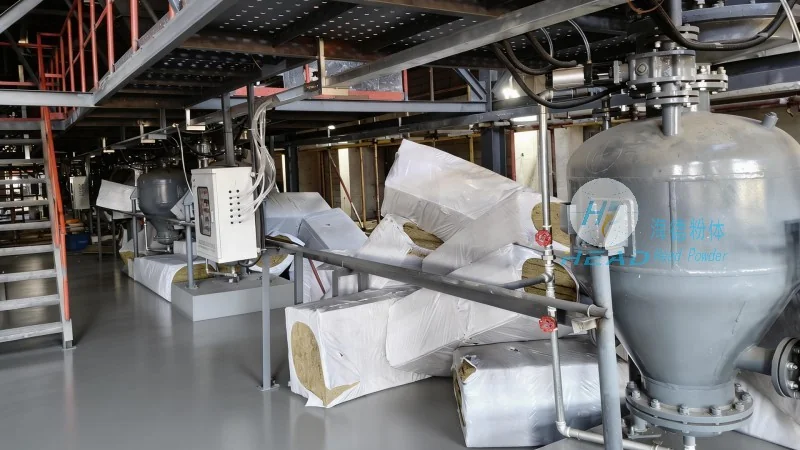
The company’s approach to system design emphasizes the integration of advanced materials and engineering principles. For instance, their systems often incorporate high-quality stainless steel components to resist corrosion from acidic or alkaline glass raw materials, ensuring longevity and minimal maintenance. Moreover, HeadPowder utilizes sophisticated control systems that allow for real-time monitoring of flow rates, pressure, and temperature, enabling operators to adjust the system dynamically based on production demands. This level of control is crucial for maintaining consistent material quality and preventing disruptions in the glass manufacturing process.
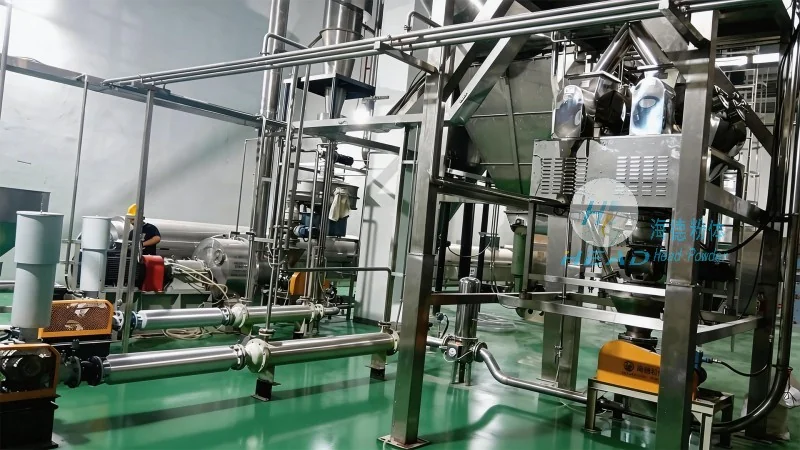
HeadPowder also prioritizes safety and environmental compliance in their system designs. By incorporating sealed conveying lines and advanced filtration, their systems minimize dust emissions and meet stringent environmental standards. This commitment to sustainability aligns with the evolving needs of the glass industry, where operational efficiency and environmental responsibility are increasingly important. The company’s solutions are not just about moving materials; they are about providing a reliable, long-term partner for glass manufacturers seeking to optimize their production processes.
Conclusion: The Importance of Well-Designed Conveying Systems
In conclusion, a glass raw material powder conveying system is a vital component of modern glass manufacturing, and its design principles are critical to ensuring operational efficiency, material quality, and environmental compliance. The expertise of companies like Shandong HeadPowder Engineering Co., Ltd. plays a pivotal role in developing these systems, which combine advanced technology with practical engineering solutions. As glass production continues to evolve, the importance of reliable and efficient conveying systems will only grow, making them an indispensable part of the industry's success.