

What is Potassium Carbonate Powder Handling Equipment? And What Are Its Design Principles?
Understanding the equipment used for handling potassium carbonate powder is crucial for industries that rely on this chemical compound. Potassium carbonate, a white crystalline powder, is widely used in various applications such as glass manufacturing, food processing, and chemical synthesis. The efficient and safe transport of this powder requires specialized equipment designed to handle its unique properties, including its fine particle size and potential for static electricity. This article explores the types of equipment used for potassium carbonate powder handling and delves into the design principles that ensure optimal performance and safety.
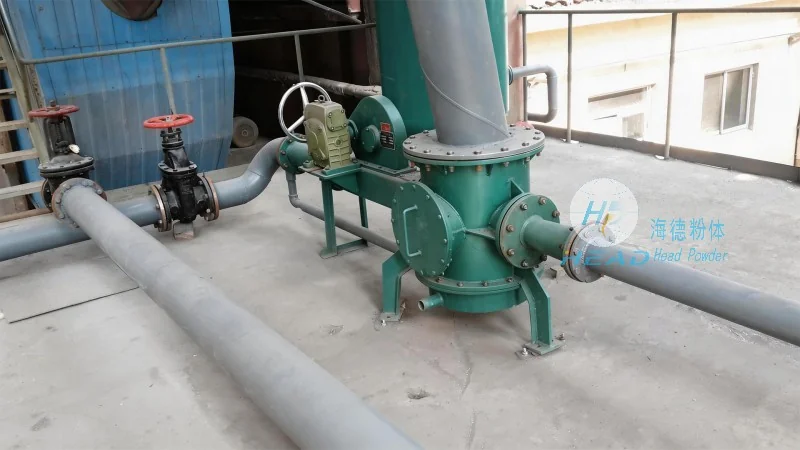
Potassium Carbonate Powder Handling Equipment Overview
HeadPowder, a leading manufacturer based in Shandong, China, specializes in providing tailored solutions for powder handling systems. The primary equipment used for transporting potassium carbonate powder includes pneumatic conveyors, screw conveyors, and bucket elevators. Each type of equipment is selected based on the specific requirements of the application, such as the volume of material to be handled, the distance over which it needs to be transported, and the need for dust control. Pneumatic conveyors, for instance, use air pressure to move the powder through a pipeline, making them ideal for long-distance transport and when a closed system is required to prevent contamination or dust emissions. Screw conveyors, on the other hand, are suitable for horizontal or slightly inclined transport and are often used in processing plants where the powder needs to be moved between different stages of production. Bucket elevators are used for vertical transport, providing a reliable method to move the powder from lower to higher levels in a facility.
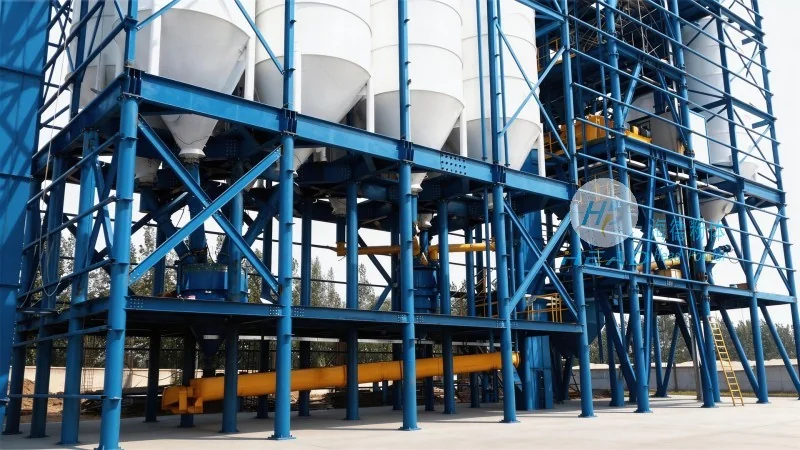
Design Principles for Potassium Carbonate Powder Handling Equipment
The design of potassium carbonate powder handling equipment must consider several key factors to ensure efficiency, safety, and durability. One of the most critical design principles is the prevention of material buildup and caking. Potassium carbonate, like many other powders, can adhere to surfaces and form clumps, which can lead to blockages and reduced efficiency. To address this, equipment is often designed with smooth, non-stick surfaces and regular cleaning mechanisms. Additionally, the equipment must be equipped with effective dust control systems to comply with environmental regulations and to protect workers from inhalation of fine particles. This includes features such as sealed hoppers, dust collection systems, and proper ventilation. Another important design principle is the management of static electricity. Powders like potassium carbonate are prone to generating static charges, which can cause sparks and pose a fire hazard. Therefore, equipment is typically grounded and may include anti-static additives or materials to dissipate the charge. The material of construction is also a key consideration. Since potassium carbonate is a chemical compound that may react with certain metals, equipment is often made from corrosion-resistant materials such as stainless steel or special alloys. This ensures that the equipment can withstand the chemical properties of the powder and maintain its integrity over time.
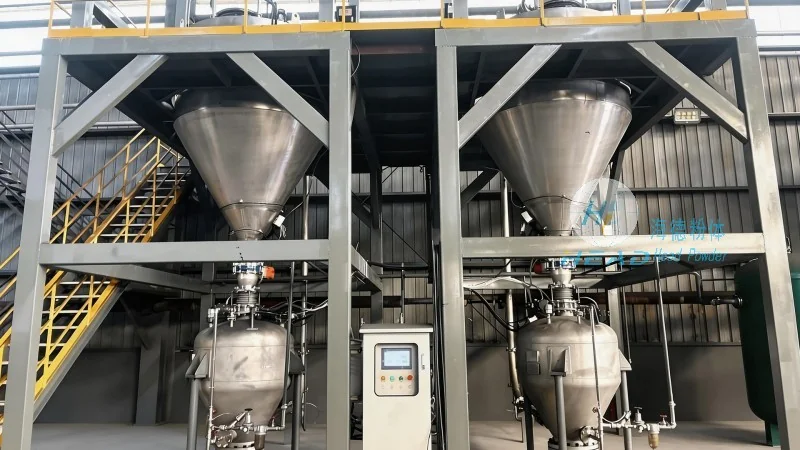
Key Features of HeadPowder's Potassium Carbonate Powder Handling Solutions
HeadPowder Engineering Co., Ltd., with its headquarters in Shandong, China, offers a range of powder handling equipment specifically designed for potassium carbonate applications. Their solutions are built with the aforementioned design principles in mind, ensuring that they meet the highest standards of performance and safety. For example, their pneumatic conveyor systems feature advanced control panels that allow for precise regulation of air pressure and flow, optimizing the transport of the powder while minimizing energy consumption. The screw conveyors are equipped with variable speed drives, enabling operators to adjust the speed based on the material's characteristics and the processing requirements. The bucket elevators are designed with heavy-duty components to handle the weight and abrasiveness of the powder, ensuring long service life. Furthermore, HeadPowder's equipment is designed with easy maintenance in mind. Access panels and modular components allow for quick and efficient cleaning and repairs, reducing downtime and maintenance costs. The company also provides comprehensive support services, including installation, training, and after-sales service, to ensure that clients can fully utilize their equipment and achieve optimal results.