

What is a Rice Husk Powder Conveying Line? And What Are Its Design Principles?
Rice husk, a byproduct of rice processing, is often processed into powder for various industrial applications. A rice husk powder conveying line is a specialized system designed to transport this fine powder efficiently and safely. This article explores the fundamental concepts of such a system and its underlying design principles.
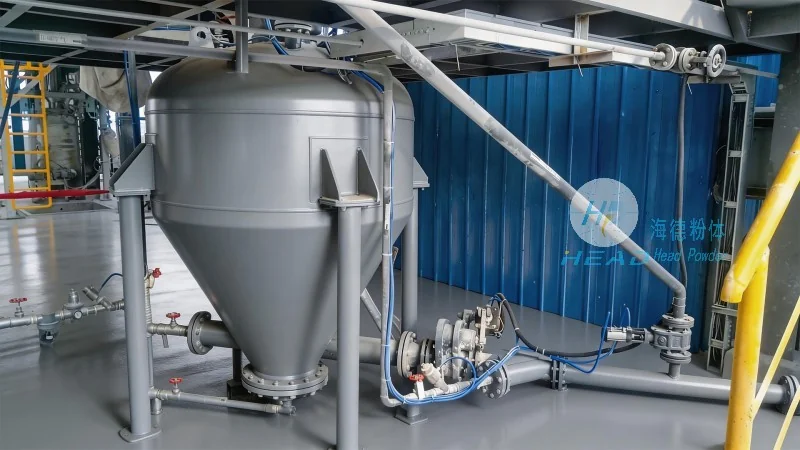
About HeadPowder
HeadPowder, or Shandong HeadPowder Engineering Co., Ltd., is a leading manufacturer in the field of powder handling equipment. With a focus on innovative solutions for material transport, the company has developed advanced conveying systems tailored to the unique properties of rice husk powder. HeadPowder's facilities are located in Shandong, China, where the company leverages local expertise and resources to deliver high-quality products.
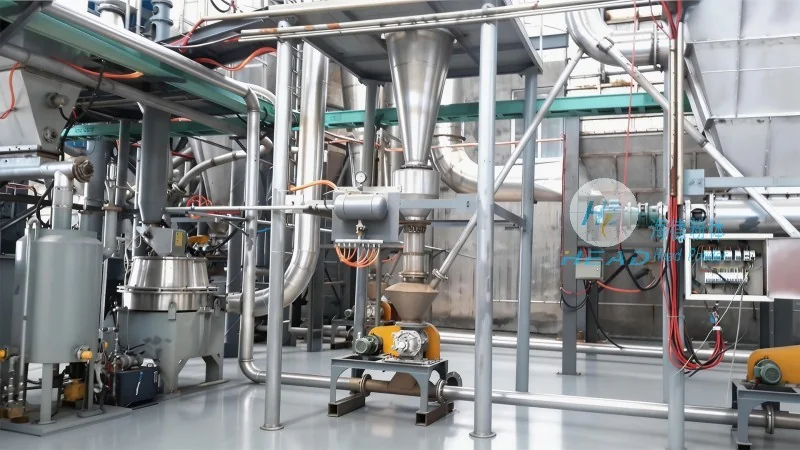
Definition and Purpose of a Rice Husk Powder Conveying Line
A rice husk powder conveying line is a comprehensive system that integrates multiple components to handle the transportation of rice husk powder from the point of generation to its final destination. The primary purpose is to ensure the efficient, reliable, and safe movement of this fine material, which can be challenging due to its lightweight, dusty nature and potential for static accumulation. The system typically includes feeders, conveyors, dust collection equipment, and control systems, all working in tandem to maintain optimal performance.
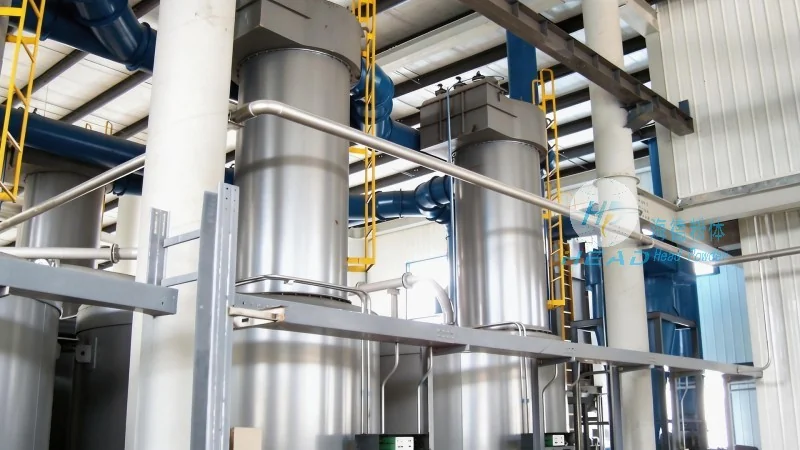
Key Design Principles
The design of a rice husk powder conveying line is guided by several critical principles to address the unique challenges of handling this material. First, the system must minimize dust generation and control static electricity to prevent fire hazards and ensure worker safety. This is achieved through the use of appropriate materials, such as conductive or anti-static components, and effective dust suppression measures. Second, the design prioritizes energy efficiency and low maintenance requirements, as continuous operation is essential for industrial applications. Third, the system is engineered for scalability, allowing it to adapt to varying production volumes and processing needs. Finally, the design incorporates safety features, including emergency stop mechanisms and monitoring systems, to protect both personnel and equipment.
Components and Their Functions
The rice husk powder conveying line consists of several key components, each playing a vital role in the overall operation. The feeders, often screw or vibratory types, are responsible for uniformly feeding the rice husk powder into the conveying system. They ensure a consistent flow rate, which is crucial for maintaining the efficiency of downstream equipment. The conveyors, typically pneumatic or mechanical, transport the powder through the system. Pneumatic conveyors use air pressure to move the material, while mechanical conveyors rely on belts or chains. The choice of conveyor type depends on factors such as material properties, distance, and system layout. Dust collection systems are integral to the design, capturing and filtering airborne particles to maintain a clean working environment and comply with environmental regulations. Control systems manage the operation of all components, monitoring parameters like pressure, flow rate, and temperature to ensure optimal performance and prevent malfunctions.
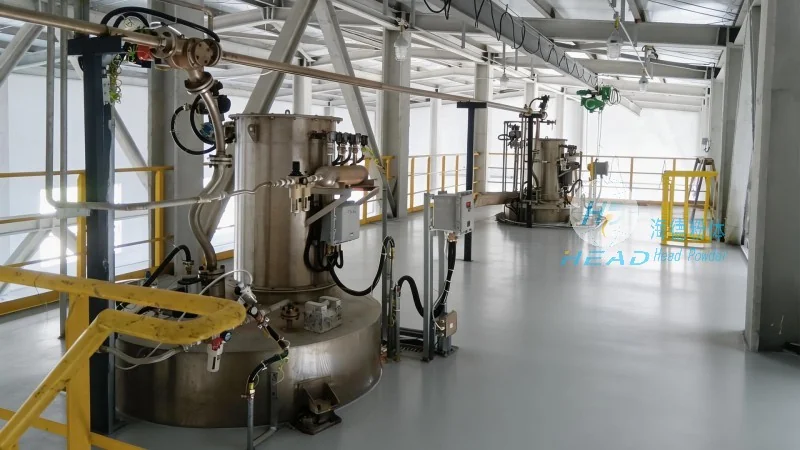
Application and Benefits
Rice husk powder conveying lines are widely used in industries such as biofuel production, animal feed manufacturing, and construction material processing. The benefits of using such a system include improved productivity, reduced labor costs, and enhanced safety. By automating the powder handling process, companies can achieve higher throughput and lower operational costs. Additionally, the system minimizes material loss and contamination, ensuring the quality of the final product. The design principles discussed above contribute to these benefits by addressing the specific challenges of rice husk powder, making the system reliable and efficient.