

What is a Tailings Powder Slurry Powder Conveying Line? And What Are Its Design Principles?
For industrial operations dealing with tailings and slurry materials, the tailings powder slurry powder conveying line is a critical system designed to transport these materials efficiently and safely. This article will explore what this conveying line entails and delve into its core design principles, providing insights into its functionality and importance in modern industrial processes.
About HeadPowder: The Expert in Conveying Solutions
HeadPowder, formally known as Shandong HeadPowder Engineering Co., Ltd., is a leading provider of specialized conveying systems tailored for handling challenging materials like tailings and slurry. With a strong presence in China, particularly in Shandong, the company has built a reputation for delivering robust, reliable, and customized solutions that meet the unique demands of various industrial applications. HeadPowder’s expertise lies in understanding the complexities of powder and slurry transport, enabling them to design systems that optimize performance, reduce operational costs, and enhance safety.
What Is a Tailings Powder Slurry Powder Conveying Line?
A tailings powder slurry powder conveying line is a comprehensive system engineered to transport tailings—fine particles and water mixtures—from mining or processing sites to disposal or treatment facilities. This line typically integrates multiple components, including feeders, pumps, pipelines, and control systems, to ensure the smooth and controlled movement of the slurry. The primary goal is to handle the high-volume, low-density nature of tailings while minimizing environmental impact and operational risks. The system is designed to be adaptable, allowing it to accommodate varying flow rates, particle sizes, and environmental conditions.
Key Design Principles of the Conveying Line
The design of a tailings powder slurry powder conveying line is guided by several fundamental principles aimed at maximizing efficiency, reliability, and safety. These principles include:
1. **Material Compatibility**: The system components are selected to withstand the corrosive and abrasive properties of tailings and slurry. Materials such as stainless steel, high-chrome alloys, and specialized coatings are used to prevent wear and corrosion, ensuring long-term durability.
2. **Flow Optimization**: The design focuses on maintaining consistent flow rates and preventing blockages or clogging. This involves the use of appropriate pump types (e.g., centrifugal or positive displacement pumps), pipeline diameters, and pressure management to ensure smooth transport.
3. **Energy Efficiency**: Efficient energy use is a key consideration. The system is engineered to minimize energy consumption while maintaining the required flow rates, reducing operational costs and environmental impact.
4. **Safety and Environmental Protection**: The design incorporates safety features, such as pressure relief valves, monitoring systems, and containment measures, to prevent spills and accidents. Additionally, the system is designed to minimize dust emissions and noise pollution, adhering to environmental regulations.
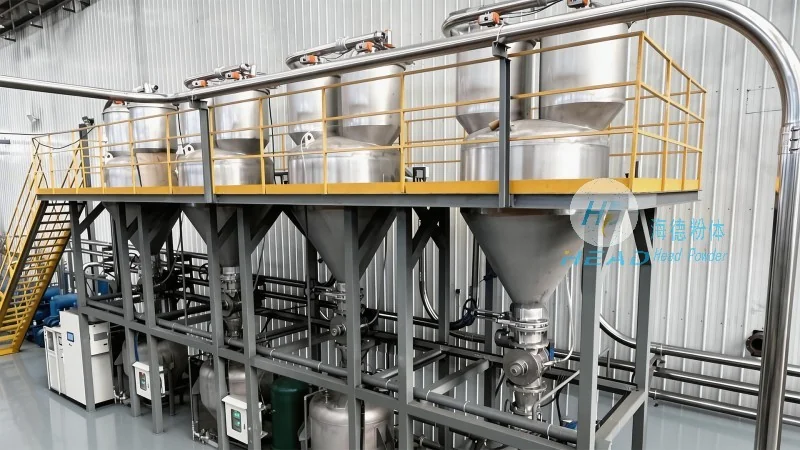
5. **Scalability and Customization**: The conveying line is designed to be scalable, allowing it to be adapted to different production capacities and site conditions. HeadPowder offers customized solutions that cater to the specific needs of each client, ensuring optimal performance.
Components of the Tailings Powder Slurry Powder Conveying Line
The tailings powder slurry powder conveying line consists of several interconnected components, each playing a crucial role in the overall operation:
1. **Feeder System**: The feeder is responsible for feeding the tailings material into the system. It can be a screw feeder, belt feeder, or other types, depending on the material characteristics and flow rate requirements. The feeder ensures a consistent feed rate, preventing surges or gaps in the material flow.
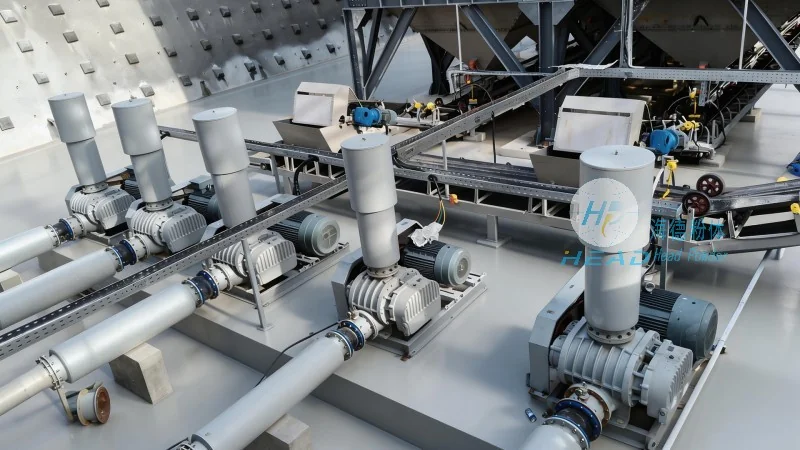
2. **Pump and Pressure System**: The pump is the heart of the conveying line, providing the necessary pressure to move the slurry through the pipeline. Centrifugal pumps are commonly used for high-volume applications, while positive displacement pumps are suitable for handling viscous or high-density slurries.
3. **Pipeline and Fittings**: The pipeline is typically made of materials like steel or plastic, chosen for their durability and resistance to corrosion. Fittings, such as elbows, tees, and valves, are used to direct the flow and control the pressure within the system.
4. **Control and Monitoring System**: This system includes sensors, controllers, and monitoring equipment to track the flow rate, pressure, and level of the slurry. It allows for real-time adjustments and ensures the system operates within safe parameters. The control system may also include alarms and emergency shut-off mechanisms to prevent accidents.
5. **Drying and Treatment Equipment (Optional)**: In some cases, the conveying line may include additional equipment for drying or treating the tailings. This could involve filters, driers, or other processing units to reduce the moisture content or remove contaminants before disposal or reuse.
Applications and Benefits of the Conveying Line
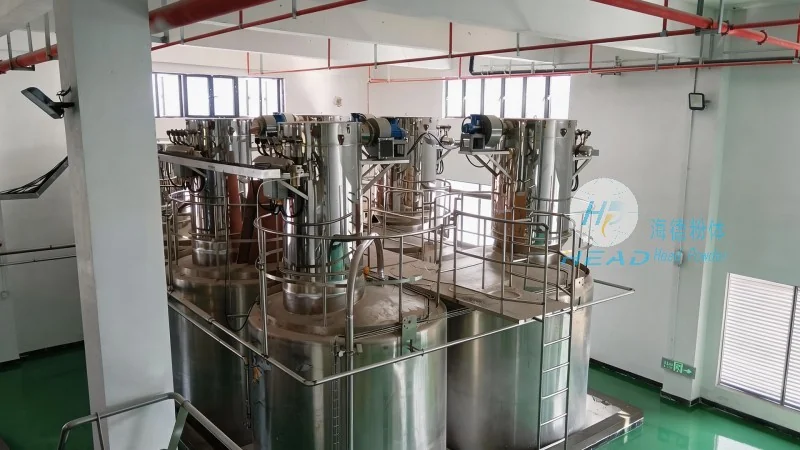
The tailings powder slurry powder conveying line is widely used in various industries, including mining, metallurgy, and environmental remediation. Its applications include transporting tailings from ore processing plants to tailings dams, moving slurry for treatment and disposal, and conveying materials in industrial waste management systems.
The benefits of using this conveying line include:
1. **Improved Efficiency**: The system allows for continuous and automated transport of tailings, reducing labor costs and increasing production throughput.
2. **Reduced Environmental Impact**: By minimizing spills and emissions, the conveying line helps protect the environment and comply with regulatory requirements.
3. **Enhanced Safety**: The design incorporates safety features that reduce the risk of accidents and injuries, such as pressure relief systems and monitoring equipment.
4. **Cost Savings**: Efficient operation and reduced maintenance lead to lower operational costs over the system's lifespan.
5. **Customization**: The ability to tailor the system to specific needs ensures optimal performance and maximizes the return on investment.