

What is a Cement Dry Ash Powder Conveying Line? What are its Design Principles?
A cement dry ash powder conveying line is a specialized system engineered to transport dry powders, such as cement, fly ash, and other fine particulate materials, over long distances with minimal loss and high efficiency. This type of conveying system is widely used in the construction industry, power plants, and other sectors that require the handling of bulk dry materials. The primary function of such a line is to move these powders from a storage or production site to a processing or application location, ensuring a continuous and reliable supply of raw materials. The design of a cement dry ash powder conveying line is critical to its performance, as it must address challenges like material segregation, dust control, and energy efficiency.
Key Design Principles of Cement Dry Ash Powder Conveying Systems
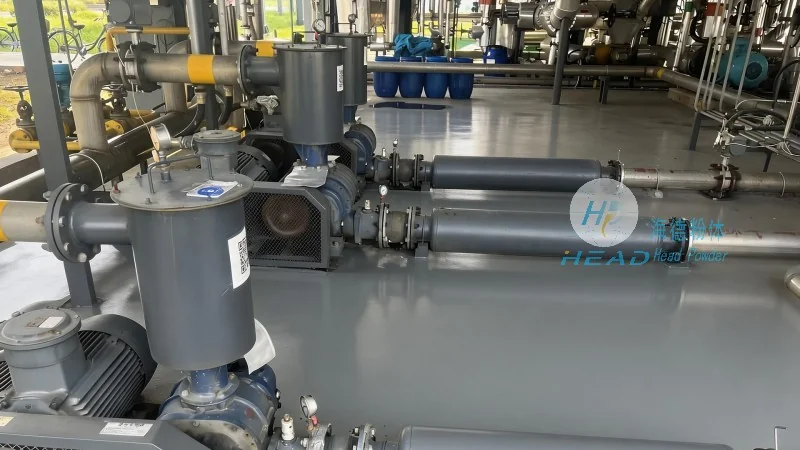
The design of a cement dry ash powder conveying line is guided by several fundamental principles that ensure optimal operation. First, the system must maintain the integrity of the material being conveyed. This involves preventing particle segregation, which can occur due to differences in particle size, density, or shape. To achieve this, the conveying line often incorporates features like uniform feeding, consistent air flow, and appropriate pipe diameters. Second, dust control is a critical design consideration. Dry powders are prone to generating dust, which can lead to health hazards and equipment damage. Therefore, the design includes dust suppression mechanisms, such as sealing systems, air filtration, and moisture control, to minimize dust emissions. Third, energy efficiency is a key factor. The conveying system should use minimal energy while maintaining high throughput. This is achieved through the selection of appropriate conveyor types, such as pneumatic or mechanical systems, and optimizing the system's components, including fans, motors, and pipe networks. Fourth, the system must be durable and reliable. Given the abrasive nature of cement and ash powders, the materials used for pipes, valves, and other components must be resistant to wear and corrosion. Additionally, the design should allow for easy maintenance and repair, ensuring minimal downtime.
Components and Working Mechanism of a Cement Dry Ash Powder Conveying Line
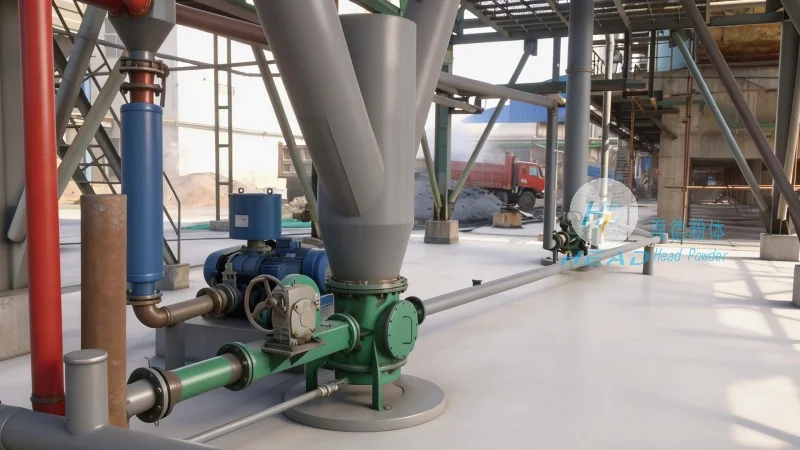
A typical cement dry ash powder conveying line consists of several key components that work together to transport the material. The main components include a material feeder, a conveying medium (usually air for pneumatic systems or a mechanical drive for screw or belt systems), a pipeline system, and a control system. The material feeder is responsible for uniformly feeding the dry powder into the conveying line, ensuring a consistent flow rate. In pneumatic systems, the feeder is often a rotary valve or a star feeder that meters the material into the pipeline. The conveying medium, typically compressed air, is used to transport the powder particles through the pipeline. The pipeline itself is usually made of metal or plastic, with diameters ranging from several centimeters to several meters, depending on the material flow rate and distance. The control system monitors and regulates the flow of material and air, ensuring the system operates within safe and efficient parameters. The working mechanism involves the feeder introducing the powder into the pipeline, where it is carried by the air flow or mechanical force. The material is then transported to the destination, where it is discharged into a storage silo or processing equipment. The entire process is automated, with sensors and controls ensuring smooth operation and preventing issues like blockages or overloading.
Applications and Benefits of Cement Dry Ash Powder Conveying Lines
Cement dry ash powder conveying lines are used in a variety of applications across different industries. In the construction industry, they are essential for transporting cement and fly ash from production facilities to construction sites, ensuring a steady supply of raw materials for concrete production. In power plants, these systems are used to convey fly ash from the boiler to storage or disposal sites, helping to manage waste and maintain environmental compliance. Other applications include the handling of other fine powders, such as silica, limestone, and other industrial materials. The benefits of using a cement dry ash powder conveying line include improved efficiency, reduced labor costs, and enhanced safety. By automating the material handling process, the system reduces the need for manual labor, which can be dangerous when handling large quantities of dry powders. Additionally, the system minimizes material loss and contamination, ensuring that the powders remain in good condition for their intended use. The use of sealed systems also helps to control dust emissions, improving workplace safety and reducing environmental impact.
About Shandong HeadPowder Engineering Co., Ltd.
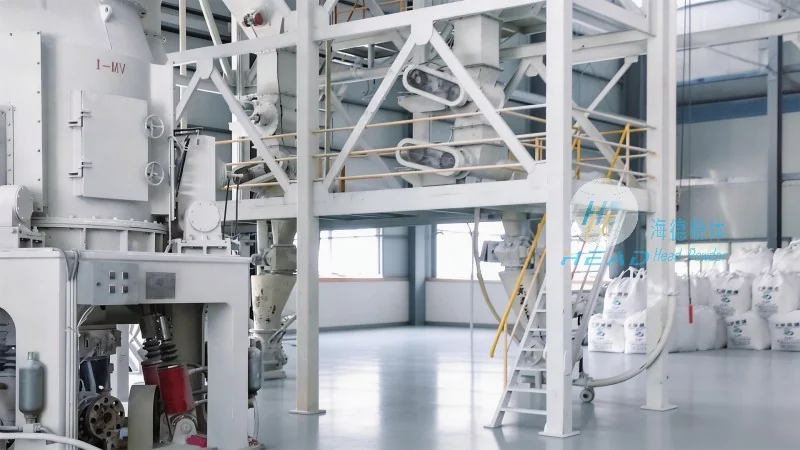
Shandong HeadPowder Engineering Co., Ltd., commonly known as HeadPowder, is a leading manufacturer and supplier of cement dry ash powder conveying lines and related equipment. The company is headquartered in Shandong, China, and has a strong reputation for providing high-quality, reliable, and efficient conveying systems. HeadPowder specializes in designing and manufacturing customized conveying lines that meet the specific needs of its clients. The company's products are known for their durability, energy efficiency, and ease of maintenance. HeadPowder's team of engineers and technicians work closely with clients to understand their requirements and develop solutions that optimize material handling processes. The company also provides after-sales support, including maintenance, repair, and technical assistance, to ensure that its clients' systems operate at peak performance. With years of experience in the industry, HeadPowder has established itself as a trusted partner for businesses that require reliable and efficient dry powder conveying solutions.