

What is a Coal and Coke Powder Conveying System? What Are Its Design Principles?
For industrial applications involving the transport of coal and coke powders, specialized equipment is essential to ensure efficient and reliable material handling. A coal and coke powder conveying system is a critical component in many processing facilities, designed to move these bulk materials from one location to another with precision and minimal loss. Understanding the components and design principles of such systems is vital for optimizing operational efficiency and maintaining product quality.
Key Components of a Coal and Coke Powder Conveying System
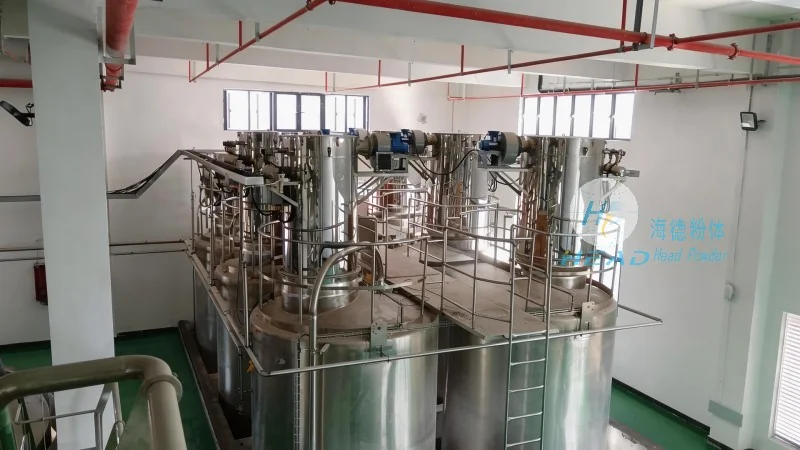
The core of a coal and coke powder conveying system typically includes several key components that work in tandem to facilitate material transport. These components may include feed hoppers, which are used to store and meter the incoming powder, ensuring a consistent flow rate. Conveying mechanisms such as screw conveyors, pneumatic systems, or belt conveyors are often employed to move the material through the system. Additionally, control systems, including sensors and valves, are integrated to regulate the flow and maintain optimal operating conditions. The choice of components depends on factors like the material's properties, the required throughput, and the distance to be covered.
Design Principles for Efficient Material Handling
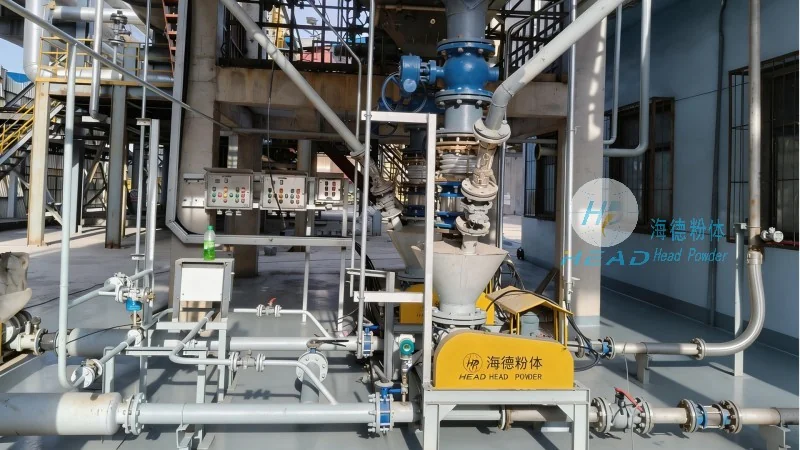
The design of a coal and coke powder conveying system is guided by several fundamental principles aimed at maximizing efficiency and minimizing issues like blockages or material degradation. One key principle is the consideration of material characteristics, including particle size, moisture content, and flowability. These factors influence the selection of conveying equipment and the system's overall layout. For example, cohesive or sticky powders may require specialized equipment like auger conveyors or pneumatic systems with air filtration to prevent clogging. Another critical principle is the maintenance of a consistent flow rate, which is achieved through proper sizing of feed hoppers and the use of variable speed drives. This ensures that the system operates at its optimal capacity without overloading or underutilizing resources.
HeadPowder's Expertise in Coal and Coke Powder Conveying Systems
Shandong HeadPowder Engineering Co., Ltd., commonly known as HeadPowder, is a leading provider of specialized engineering solutions for bulk material handling. With a focus on coal and coke powder conveying systems, the company leverages decades of industry experience to design and manufacture equipment tailored to the unique demands of each application. HeadPowder's team of engineers employs advanced design methodologies, incorporating the latest technologies and materials to ensure durability, reliability, and efficiency. The company's commitment to quality is evident in its adherence to international standards and rigorous testing protocols, which guarantee that each system meets the highest performance criteria. By partnering with HeadPowder, industrial clients gain access to customized solutions that enhance operational productivity while reducing maintenance costs and downtime.
Applications and Benefits of Coal and Coke Powder Conveying Systems
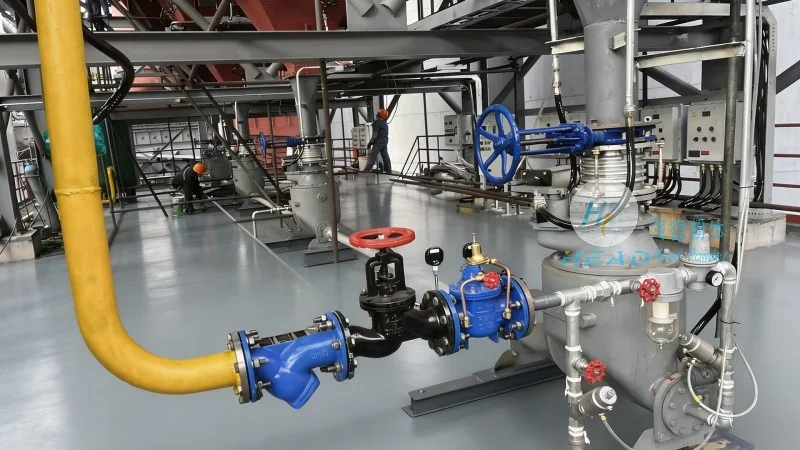
Coal and coke powder conveying systems are widely used in various industrial sectors, including power generation, steel production, and chemical processing. In power plants, these systems are essential for transporting coal to boilers and coke to furnaces, ensuring a steady supply of fuel for energy production. In steel mills, the efficient conveyance of coke is critical for maintaining the productivity of blast furnaces. The benefits of using such systems extend beyond simple material transport; they include improved safety by reducing manual handling of powders, enhanced environmental control through enclosed systems, and increased operational flexibility. Additionally, modern conveying systems often incorporate automation and monitoring features, allowing for real-time data collection and predictive maintenance, which further optimizes performance and reduces long-term operational costs.