

What Are Fully Automatic Material Feeding and Conveying Equipment? And What Are Their Design Princip
HeadPowder, a leading manufacturer based in Shandong, China, specializes in the design and production of advanced fully automatic material feeding and conveying systems. These systems are engineered to streamline the material handling process in various industrial applications, ensuring precision, efficiency, and reliability. The core function of such equipment is to automatically feed, measure, and transport raw materials or components to the next stage of production with minimal human intervention.
Key Components and Functional Design
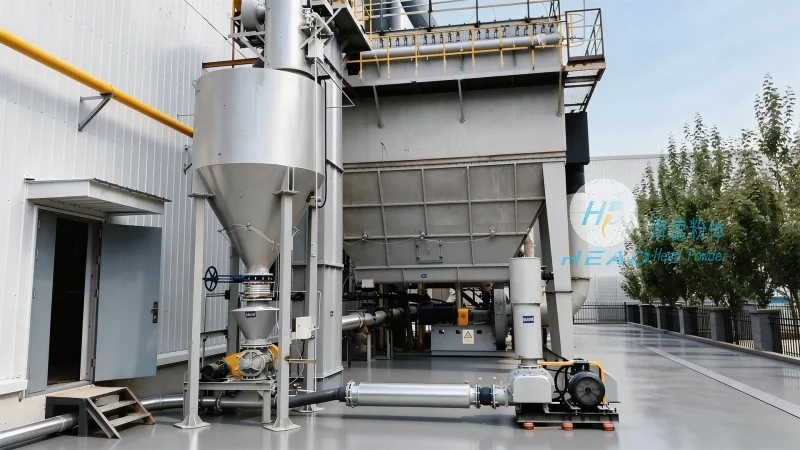
The design of fully automatic material feeding and conveying equipment typically integrates several critical components that work in concert to achieve optimal performance. A primary component is the material hopper or storage bin, which holds the raw materials and provides a consistent supply to the feeding mechanism. The feeding mechanism, often equipped with sensors and control systems, ensures accurate measurement and dispensing of materials, preventing overfeeding or underfeeding. Conveying systems, such as belt conveyors, screw conveyors, or pneumatic conveyors, then transport the materials to the processing or packaging area. Additionally, the system may include level sensors, weight scales, and control panels to monitor and adjust the feeding process in real-time, maintaining consistent material flow and quality.
Design Principles for Efficient Operation
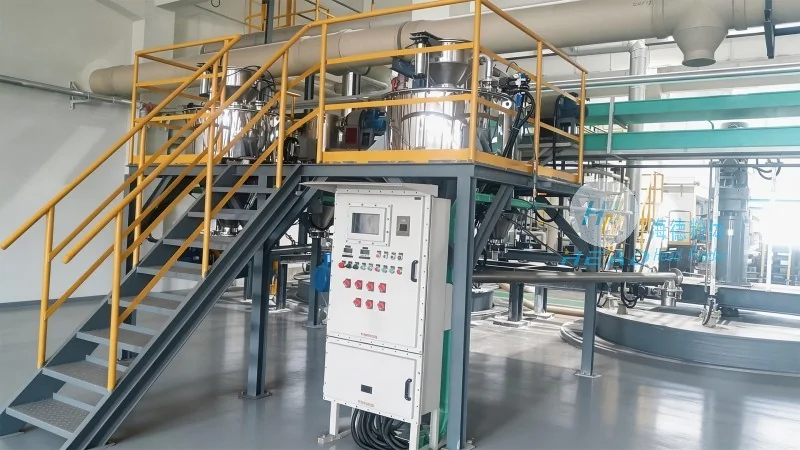
The design principles of these equipment are centered on maximizing operational efficiency, minimizing downtime, and ensuring product quality. One key principle is modularity, allowing for easy integration with existing production lines and flexibility in accommodating different material types or processing requirements. Another principle is automation, leveraging advanced control systems and sensors to automate the feeding and conveying processes, reducing the need for manual labor and human error. Precision is also a critical design consideration, as accurate material measurement and consistent flow are essential for maintaining product consistency and meeting strict quality standards. Furthermore, the design emphasizes durability and ease of maintenance, with robust construction and accessible components that facilitate regular upkeep and reduce long-term operational costs.
Applications in Industrial Production
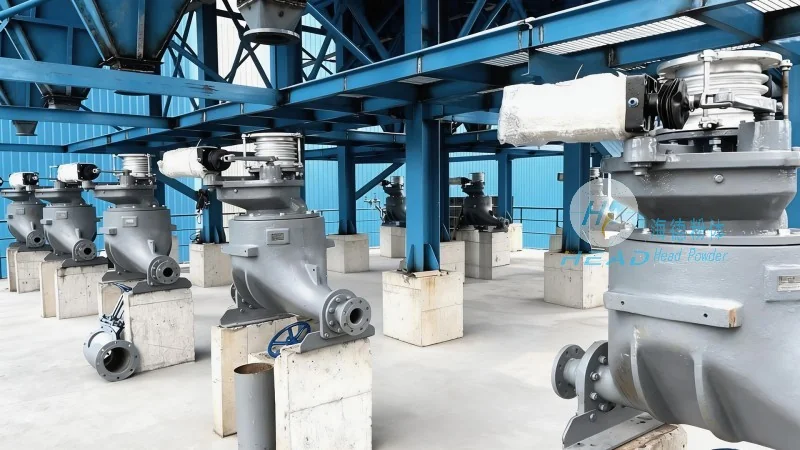
Fully automatic material feeding and conveying equipment find widespread application across various industries, including pharmaceuticals, food processing, chemical manufacturing, and automotive production. In the pharmaceutical industry, for example, these systems are used to handle and dispense active pharmaceutical ingredients (APIs) and excipients with high precision, ensuring compliance with stringent regulatory requirements. In food processing, they are employed to transport ingredients like flour, sugar, or spices, maintaining hygiene standards and preventing contamination. In chemical manufacturing, the equipment is used to handle bulk chemicals and powders, ensuring safe and efficient material handling. The versatility of these systems makes them suitable for a wide range of applications, from small-scale production to large-scale industrial operations.
Advantages of Automated Material Handling Systems
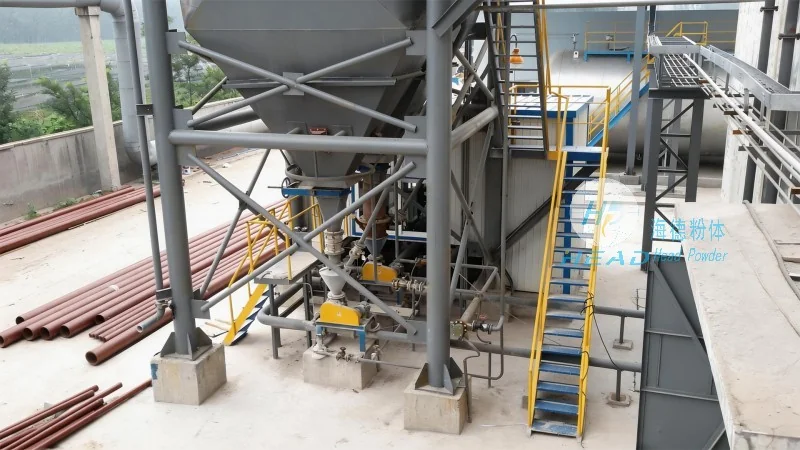
Implementing fully automatic material feeding and conveying equipment offers numerous advantages for industrial operations. Firstly, it significantly enhances production efficiency by reducing the time required for material handling and increasing the throughput of the production line. Secondly, automation minimizes human error, leading to improved product quality and consistency. Thirdly, the systems reduce labor costs by automating repetitive tasks and allowing workers to focus on more value-added activities. Additionally, the precision and control provided by these systems help in maintaining strict quality standards, which is crucial for industries with high regulatory requirements. Finally, the durability and reliability of modern equipment ensure minimal downtime and lower maintenance costs over the long term, contributing to overall operational savings.