

[Fiber Material Conveying Equipment: What They Are and Their Design Principles]
HeadPowder, a leading enterprise in the field of powder processing technology, specializes in the design, manufacturing, and supply of advanced fiber material conveying equipment. With a focus on precision and efficiency, our products are engineered to meet the diverse needs of the fiber industry, ensuring reliable and effective material handling solutions.
Understanding Fiber Material Conveying Equipment
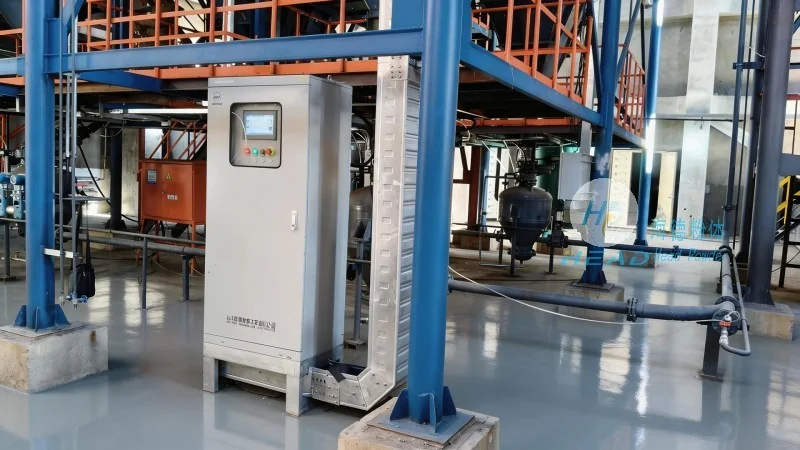
Fiber material conveying equipment is a specialized system designed to transport various types of fiber materials, such as polyester, nylon, acrylic, and other synthetic fibers, from one location to another within industrial settings. These systems are crucial for optimizing production workflows, enhancing operational efficiency, and maintaining product quality throughout the processing stages. The equipment typically includes components like feeders, conveyors, and control systems, all working in tandem to ensure smooth and consistent material movement.
Key Design Principles of Fiber Material Conveying Equipment
The design of fiber material conveying equipment adheres to several fundamental principles to ensure optimal performance and durability. First, the equipment must be constructed from materials that are resistant to the chemical and physical properties of the fiber materials being handled, preventing contamination and degradation. For instance, stainless steel or specialized alloys are often used to withstand the abrasive nature of synthetic fibers and the potential presence of moisture or chemicals in the processing environment.
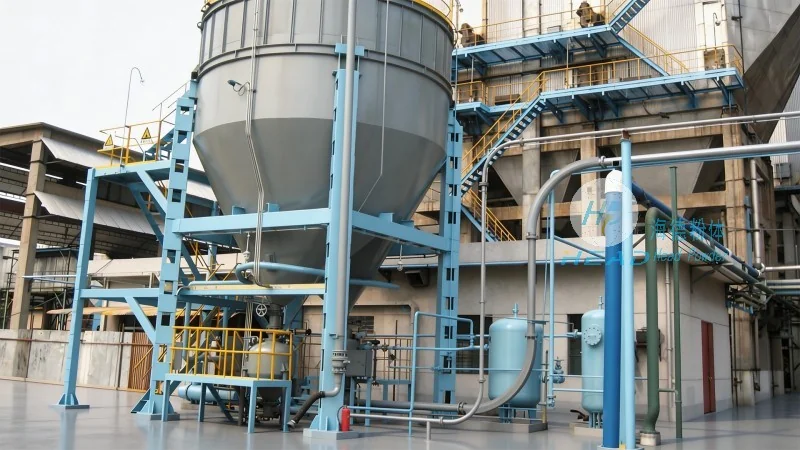
Second, the design emphasizes minimal material degradation and loss. This is achieved through the use of smooth, non-stick surfaces and gentle handling mechanisms, such as pneumatic or mechanical feeders, which reduce friction and prevent fiber breakage or static buildup. The equipment is also designed to minimize dust generation and maintain a clean working environment, which is critical for both product quality and worker safety.
Third, the control systems integrated into the conveying equipment are designed for precision and adaptability. Modern systems often feature variable speed drives, sensors, and automated controls that allow for real-time monitoring and adjustment of the conveying process. This ensures that the flow rate, pressure, and other parameters are maintained within optimal ranges, adapting to changes in material characteristics or production demands.
Components and Functionality of Fiber Material Conveying Systems
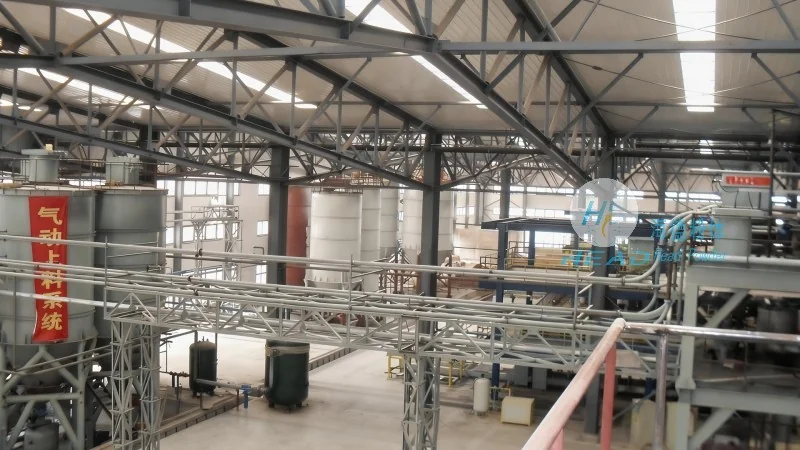
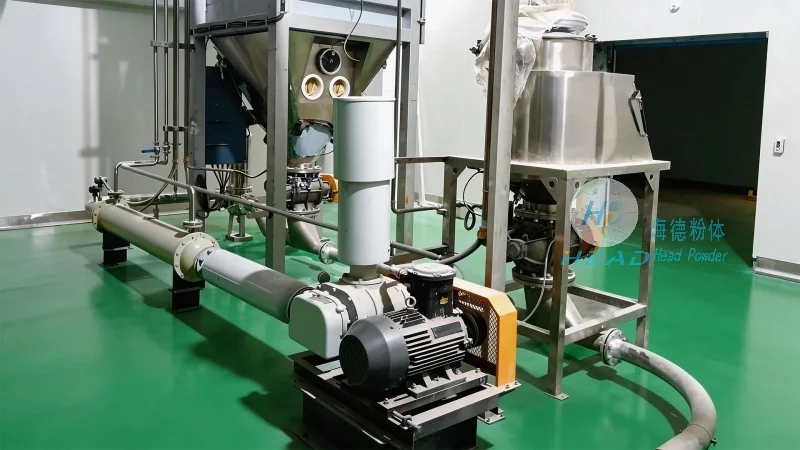
Fiber material conveying systems typically consist of several key components, each playing a vital role in the overall operation. The primary components include feeders, which are responsible for uniformly distributing the fiber material into the conveying system. There are various types of feeders, such as rotary valves, star feeders, and screw feeders, each suited to different material types and flow rates. For example, rotary valves are commonly used for handling free-flowing fibers, while star feeders are ideal for bulkier or more irregularly shaped materials.
The conveying mechanism itself, which can be pneumatic (air-powered) or mechanical (belt-driven), is responsible for transporting the fiber material through the system. Pneumatic conveyors use air pressure to move the material, often in a closed loop, which helps in controlling dust and maintaining a consistent flow. Mechanical conveyors, on the other hand, use belts, chains, or rollers to transport the material, providing a more direct and often higher-capacity solution for heavier or bulkier loads.
Control and monitoring systems are also integral to the functionality of these equipment. These systems include sensors that detect material levels, flow rates, and pressure, as well as control panels that allow operators to adjust settings and monitor the system's performance. Advanced systems may also incorporate data logging and analytics capabilities, enabling continuous improvement and predictive maintenance to minimize downtime and maximize efficiency.
Applications and Benefits of Fiber Material Conveying Equipment
Fiber material conveying equipment is widely used in various industries, including textiles, automotive, and construction, where synthetic fibers are a key component. In the textile industry, for example, these systems are used to transport fibers from storage to processing machines, ensuring a consistent supply of material for spinning, weaving, or knitting operations. The automotive industry utilizes fiber conveying systems to handle reinforcing fibers for composite materials, while the construction industry uses them for transporting fibers in insulation or reinforcement applications.
The benefits of using advanced fiber material conveying equipment extend beyond just efficient material handling. By reducing manual labor and improving process consistency, these systems enhance overall productivity and reduce operational costs. Additionally, the precise control and minimal material loss features help in maintaining product quality, which is critical for meeting industry standards and customer expectations. Furthermore, the ability to handle a wide range of fiber types and sizes makes these systems versatile and adaptable to different production requirements.