

What is a Pyrolysis Carbon Powder Conveying Machine? And What Are Its Design Principles?
Pyrolysis carbon powder conveying machines are specialized equipment designed to handle and transport fine powders, particularly those derived from pyrolysis processes. These machines are essential in industrial settings where the efficient and safe movement of carbon-rich powders is critical. The design of such equipment focuses on addressing the unique challenges posed by these powders, including their tendency to agglomerate, create dust hazards, and require precise control over flow and pressure. By understanding the core components and operational principles, users can better appreciate how these machines enhance productivity and safety in material handling applications.
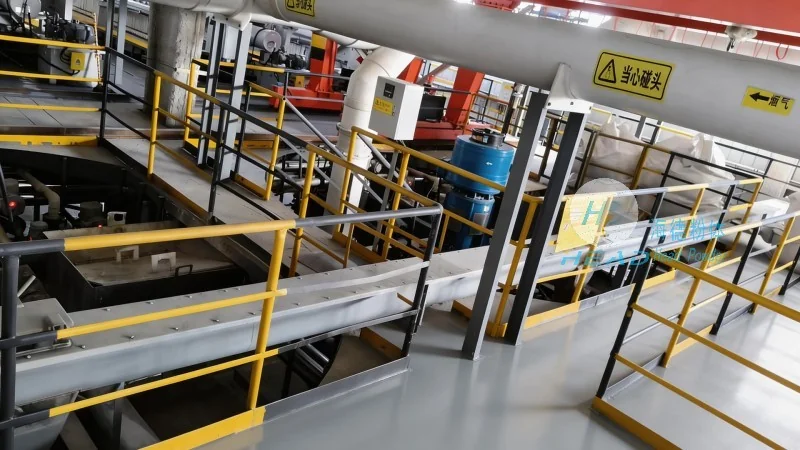
HeadPowder, a leading manufacturer based in Shandong, China, specializes in the development and production of advanced conveying systems tailored for pyrolysis carbon powders. The company’s expertise lies in integrating robust engineering solutions that meet the stringent demands of modern industrial operations. With a focus on innovation and customer-centric design, HeadPowder ensures that its conveying machines are not only efficient but also reliable and safe for long-term use. The company’s facilities and technical team are dedicated to delivering high-quality equipment that aligns with industry standards and client requirements.
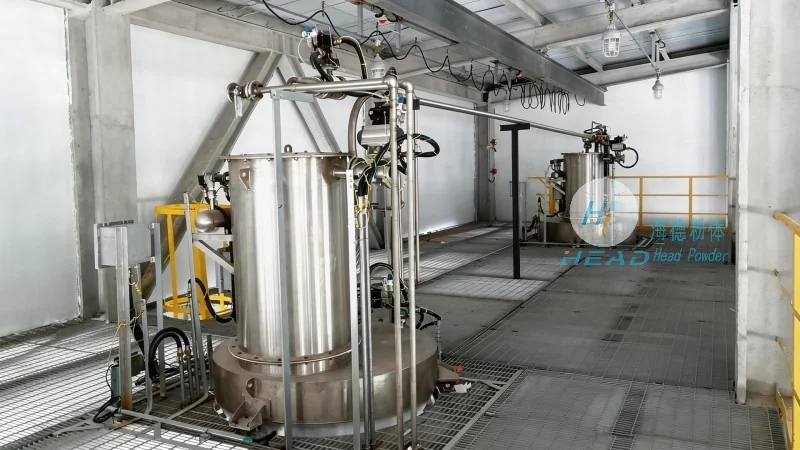
The design principles of a pyrolysis carbon powder conveying machine revolve around several key factors. First, the machine must be constructed from materials that are resistant to corrosion and wear, as pyrolysis powders can be abrasive and chemically active. Common materials include stainless steel, special alloys, and corrosion-resistant coatings. This ensures the longevity of the equipment and maintains the purity of the conveyed material. Second, the system incorporates components that minimize dust generation and exposure, such as sealed housings, dust collection systems, and controlled discharge mechanisms. These features are vital for maintaining a safe working environment and complying with occupational health regulations.
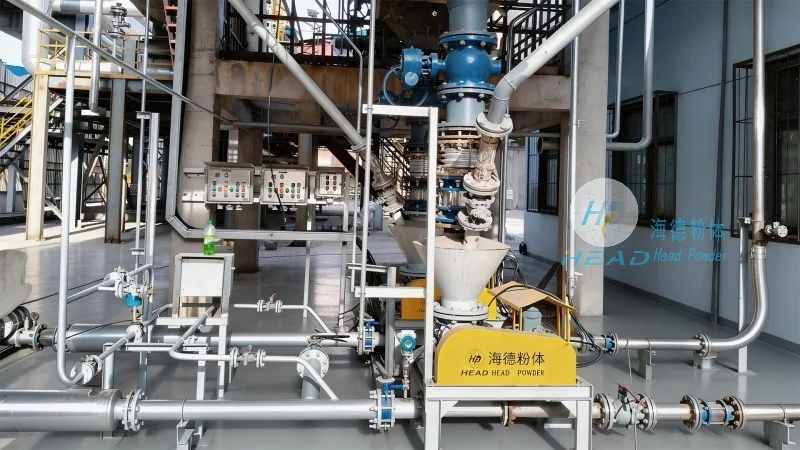
Another critical design aspect is the control of flow and pressure. Pyrolysis carbon powders can exhibit variable flow characteristics, depending on moisture content, particle size, and agglomeration. To address this, conveying machines often use positive displacement pumps, screw conveyors, or pneumatic systems with adjustable pressure and flow rates. These mechanisms allow for precise control over the material’s movement, preventing blockages and ensuring consistent throughput. The integration of sensors and feedback systems further enhances operational efficiency by monitoring parameters like pressure, flow rate, and temperature in real-time.
Furthermore, the machine’s design considers the need for easy maintenance and cleaning. Pyrolysis powders can adhere to surfaces, making regular maintenance essential to prevent system downtime. Features like removable components, easy-to-clean surfaces, and self-cleaning mechanisms are incorporated into the design. This reduces the time and effort required for maintenance, contributing to lower operational costs and higher system availability. The ergonomic design of the equipment also ensures that operators can access and service parts safely and efficiently.
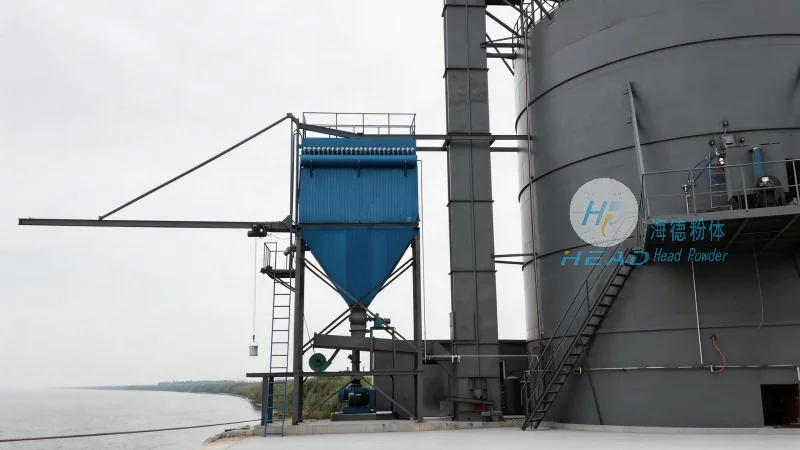
HeadPowder’s pyrolysis carbon powder conveying machines are engineered to meet these design principles while adhering to international safety and quality standards. The company’s commitment to research and development ensures that its products stay at the forefront of technology, providing solutions that are both effective and sustainable. By leveraging advanced materials, innovative control systems, and user-friendly design, HeadPowder delivers conveying machines that enhance the performance of industrial processes and support the safe handling of pyrolysis carbon powders.