

What is Ammonia Fertilizer Material Handling? What are the Design Principles?
Ammonia fertilizer material handling is a critical process in the agricultural and chemical industries, focusing on the efficient transportation and management of ammonia-based fertilizers. This involves various equipment and systems designed to ensure safe, reliable, and efficient movement of these materials from production sites to storage or application points. Understanding the design principles behind such systems is essential for optimizing operations and maintaining safety standards. The process begins with the production of ammonia, which is then converted into various fertilizer forms like urea, ammonium nitrate, or ammonium sulfate. These products are typically in bulk form, requiring specialized handling equipment to manage their movement throughout the supply chain. Efficient material handling is crucial for reducing transportation costs, minimizing material loss, and ensuring timely delivery to farms or other end-users. Additionally, proper handling minimizes the risk of environmental contamination and ensures that the fertilizers remain in optimal condition until application.
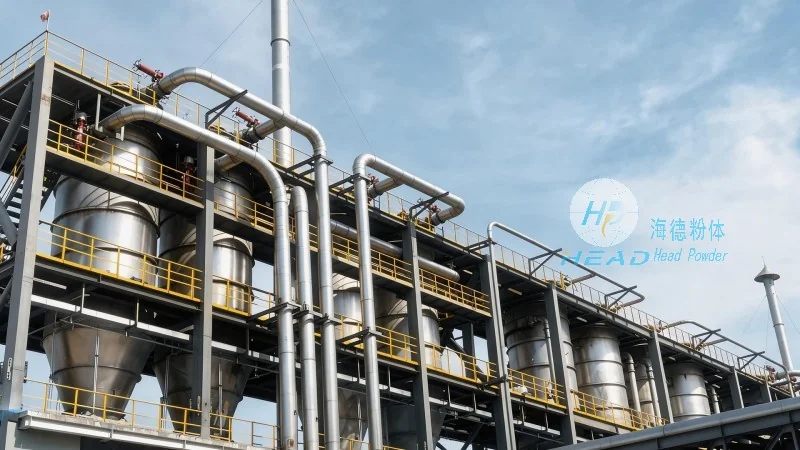
Understanding Ammonia Fertilizer Material Handling
Ammonia fertilizer material handling encompasses the entire workflow from the production of ammonia-based fertilizers to their distribution. This includes processes like storage, loading, unloading, and transportation. The primary goal is to handle these materials in a manner that minimizes risks associated with ammonia's properties, such as its corrosive nature and potential for creating hazardous conditions if not managed properly. Efficient material handling systems are crucial for reducing operational costs, improving productivity, and ensuring compliance with safety regulations. The complexity of these systems often requires a multidisciplinary approach, involving engineers, safety experts, and operational staff to develop a comprehensive solution that meets all technical and regulatory requirements.
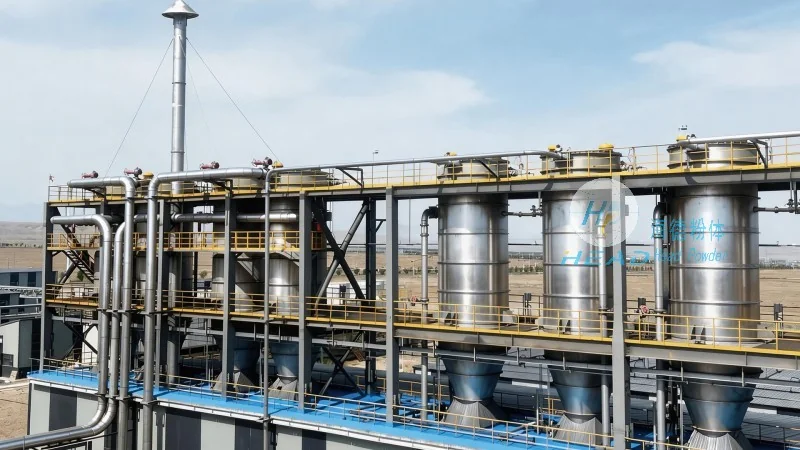
Key Components in Ammonia Fertilizer Material Handling Systems
Several key components are integral to ammonia fertilizer material handling systems. These include storage tanks, conveyor systems, pumps, and specialized handling equipment. Storage tanks are typically designed to withstand the corrosive effects of ammonia and are often made from materials like stainless steel or specialized alloys. These tanks are equipped with pressure relief valves and temperature monitoring systems to prevent over-pressurization and ensure safe operation. Conveyor systems, such as belt conveyors or pneumatic conveyors, are used to transport bulk materials over short or long distances. Belt conveyors are commonly used for horizontal or slight incline transport, while pneumatic conveyors are ideal for vertical or long-distance transport, especially in confined spaces. Pumps, particularly those designed for corrosive liquids, are essential for transferring ammonia from storage to processing or application equipment. These pumps are often made from materials like Hastelloy or titanium to resist corrosion and maintain efficiency. Additionally, safety features like leak detection systems, emergency shutdown valves, and ventilation systems are critical to prevent accidents and ensure operator safety. Regular maintenance of these components is essential to ensure the system operates reliably and meets all safety standards.
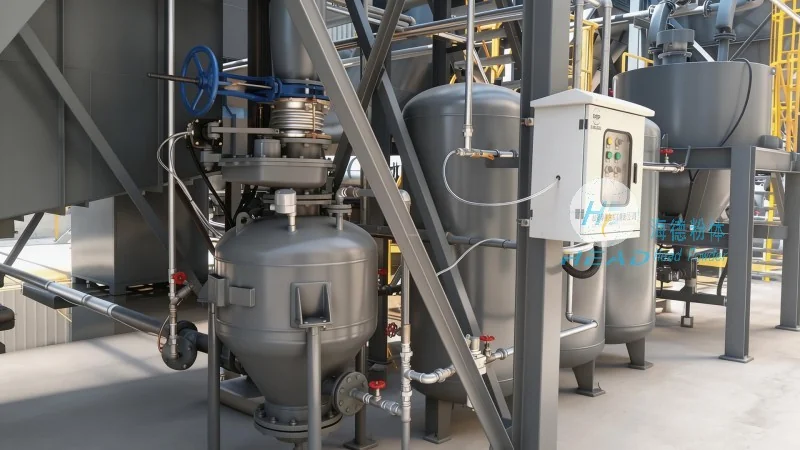
Design Principles for Ammonia Fertilizer Material Handling
The design of ammonia fertilizer material handling systems follows several fundamental principles aimed at safety, efficiency, and durability. First, the system must be designed to minimize exposure to ammonia fumes and vapors, ensuring proper ventilation and containment measures are in place. This includes the use of sealed systems, proper ventilation ducts, and emergency exhaust systems to prevent the accumulation of hazardous gases. Second, materials of construction must be compatible with ammonia to prevent corrosion and degradation over time. Stainless steel, Hastelloy, and other corrosion-resistant alloys are commonly used in system components to ensure long-term reliability. Third, the system should be engineered for easy maintenance and inspection, allowing for regular checks and repairs to maintain optimal performance. This includes accessible panels, clear labeling of components, and standardized maintenance procedures. Fourth, operational efficiency is prioritized through the use of energy-efficient equipment and streamlined processes that reduce downtime and increase throughput. For example, using variable frequency drives (VFDs) in conveyor systems can optimize energy consumption based on load requirements. Fifth, compliance with local and international safety standards is a non-negotiable aspect of the design, ensuring that the system meets all regulatory requirements. This includes adherence to guidelines from organizations like the Occupational Safety and Health Administration (OSHA) and the American Society of Mechanical Engineers (ASME).