

What is a Calcium Carbide Slag Material Handling System? And What Are Its Design Principles?
Calcium carbide slag material handling systems are specialized industrial solutions designed to manage the transportation and processing of calcium carbide slag, a byproduct commonly generated in the production of calcium carbide. These systems are crucial for ensuring efficient and safe handling of this material, which can be challenging due to its abrasive and potentially hazardous properties. The design principles of such systems focus on durability, efficiency, and compliance with safety regulations, tailored to the specific characteristics of calcium carbide slag.
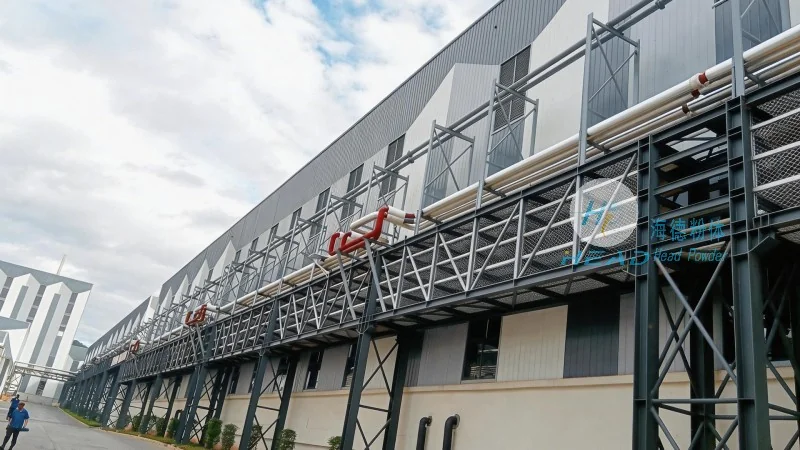
Components and Functionality of Calcium Carbide Slag Material Handling Systems
A typical calcium carbide slag material handling system comprises several key components, each playing a vital role in the overall operation. The primary components include feed hoppers, conveyor systems (such as belt conveyors or screw conveyors), storage silos, and discharge mechanisms. The feed hopper is responsible for receiving the raw calcium carbide slag from the production process, ensuring a consistent flow into the system. Conveyor systems then transport the material from the hopper to the storage or processing areas. Storage silos are used to temporarily hold the slag, allowing for controlled release and preventing material buildup that could lead to safety hazards. Discharge mechanisms, such as rotary valves or gate valves, regulate the release of the material to downstream processes or disposal areas.
Design Principles for Calcium Carbide Slag Material Handling Systems
The design of calcium carbide slag material handling systems follows several fundamental principles to ensure optimal performance and longevity. First, durability is a critical factor, as calcium carbide slag is highly abrasive and can cause significant wear on equipment. Therefore, components such as hoppers, conveyors, and silos are typically constructed from corrosion-resistant and wear-resistant materials, such as high-chrome steel or special alloys. This helps to minimize maintenance costs and extend the operational life of the system. Second, efficiency is prioritized through the use of optimized conveyor speeds and system layouts. Properly designed systems minimize material handling time and energy consumption, reducing operational costs. Third, safety is paramount, given the potential hazards associated with calcium carbide slag, including dust generation and chemical reactivity. Systems are equipped with dust collection and ventilation systems to control airborne particles and prevent exposure to workers. Additionally, the design incorporates safety features like emergency stop buttons and interlocks to prevent accidents during operation.
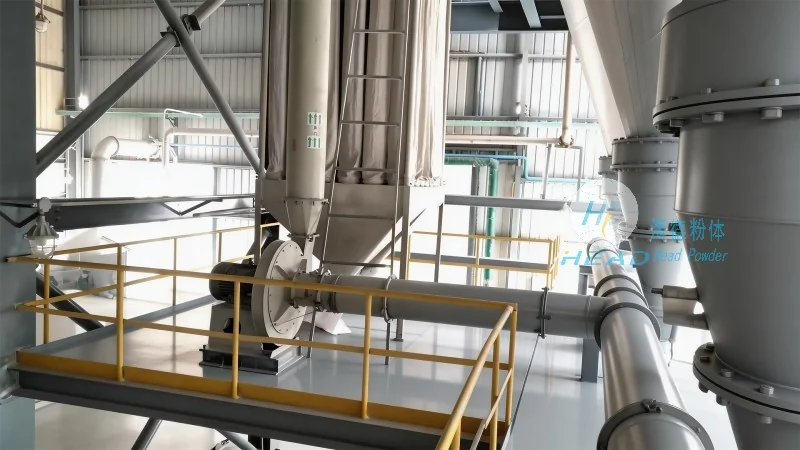
Key Considerations in System Design and Implementation
When designing a calcium carbide slag material handling system, several key considerations must be addressed to ensure the system meets the specific needs of the application. One of the primary considerations is the material's characteristics, including its particle size distribution, moisture content, and flowability. These factors influence the choice of conveyor type and the design of the hopper and silo to prevent material bridging or clogging. Another important consideration is the scale of operation, as the system's capacity must match the production rate of the calcium carbide plant. Larger plants may require multiple conveyor lines or larger storage silos to handle higher volumes of slag. Additionally, environmental regulations and local disposal requirements must be taken into account, as the system may need to integrate with waste management processes or comply with emissions standards. The design process also involves careful analysis of the site layout and available space, ensuring that the system can be installed and operated without interfering with other plant operations.
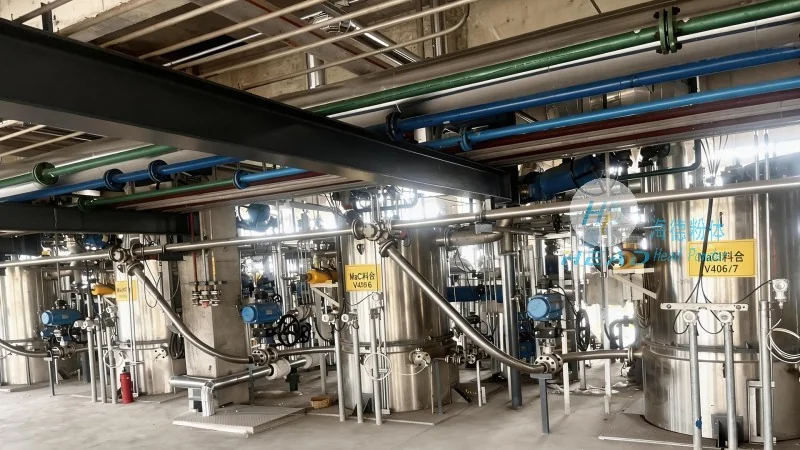
Benefits of Implementing a Properly Designed Calcium Carbide Slag Material Handling System
Implementing a well-designed calcium carbide slag material handling system offers numerous benefits for industrial operations. First, it improves operational efficiency by streamlining the handling process, reducing downtime caused by equipment failure or material buildup. This leads to increased productivity and lower operational costs. Second, it enhances safety by minimizing the risk of accidents and exposure to hazardous materials. Properly designed systems reduce the likelihood of dust explosions or chemical reactions that could harm workers or damage equipment. Third, it contributes to environmental sustainability by ensuring that calcium carbide slag is managed in an environmentally responsible manner. The system can facilitate the reuse or recycling of the slag, reducing waste and minimizing the plant's environmental footprint. Finally, a well-designed system provides long-term cost savings through reduced maintenance and equipment replacement, as durable components and proper design minimize wear and tear.
Conclusion
In conclusion, calcium carbide slag material handling systems are essential for the efficient and safe management of calcium carbide slag, a byproduct of the calcium carbide production process. The design principles of these systems focus on durability, efficiency, and safety, incorporating specialized components and materials to address the unique challenges posed by the material. By carefully considering the material's characteristics, operational scale, and environmental regulations, industrial facilities can implement effective systems that enhance productivity, ensure worker safety, and promote sustainable waste management. The expertise of companies like Shandong HeadPowder Engineering Co., Ltd., based in China, plays a crucial role in the design and implementation of such systems, providing tailored solutions that meet the specific needs of industrial clients.