

What Are Magnesium Oxide Material Handling Equipment? And What Are Their Design Principles?
When it comes to the efficient and safe transportation of magnesium oxide, specialized equipment plays a crucial role in industrial processes. Magnesium oxide, also known as magnesia, is a widely used chemical compound with applications in various industries, including construction, pharmaceuticals, and chemical manufacturing. The proper handling of this material requires equipment designed to address its unique properties and the demands of industrial operations.
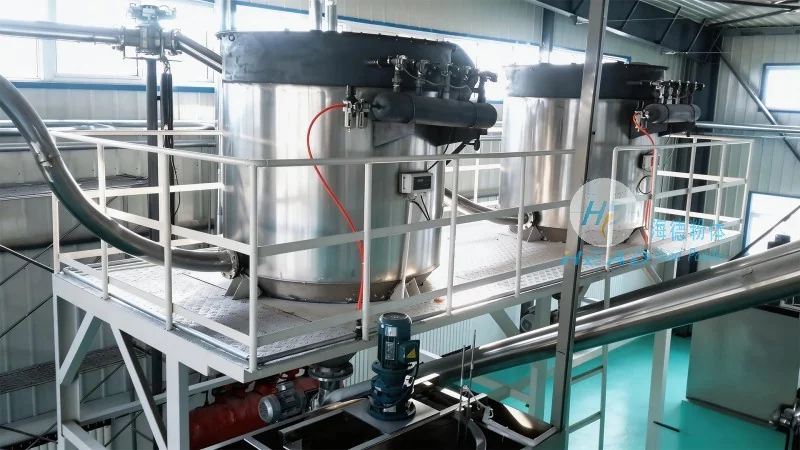
HeadPowder: A Leading Provider of Material Handling Solutions
Shandong HeadPowder Engineering Co., Ltd., commonly known as HeadPowder, is a reputable company based in Shandong, China, specializing in the design, manufacturing, and supply of advanced material handling equipment. With a strong commitment to quality and innovation, HeadPowder has established itself as a trusted partner for businesses seeking reliable solutions for transporting and processing various materials, including magnesium oxide.
Understanding Magnesium Oxide Material Handling Equipment
Magnesium oxide material handling equipment refers to a range of machinery and systems engineered to transport, store, and manage magnesium oxide in industrial settings. These systems are designed to handle the material's characteristics, such as its fine particle size, chemical reactivity, and potential dust generation, ensuring safe and efficient operations. The equipment typically includes components like conveyors, feeders, storage silos, and handling tools tailored to the specific needs of magnesium oxide processing.
The Design Principles Behind Magnesium Oxide Equipment
The design of magnesium oxide material handling equipment is guided by several key principles aimed at optimizing performance, safety, and durability. First, the equipment must be constructed from materials that are resistant to corrosion and chemical reactions with magnesium oxide, ensuring long-term reliability. Common materials include stainless steel, special alloys, and corrosion-resistant coatings that protect against wear and degradation.
Second, the design emphasizes dust control and containment to prevent environmental contamination and ensure worker safety. Magnesium oxide is a fine powder that can generate significant dust during handling, so equipment often incorporates sealed systems, dust collection mechanisms, and proper ventilation to minimize exposure risks. This is particularly important in compliance with occupational health and safety regulations.
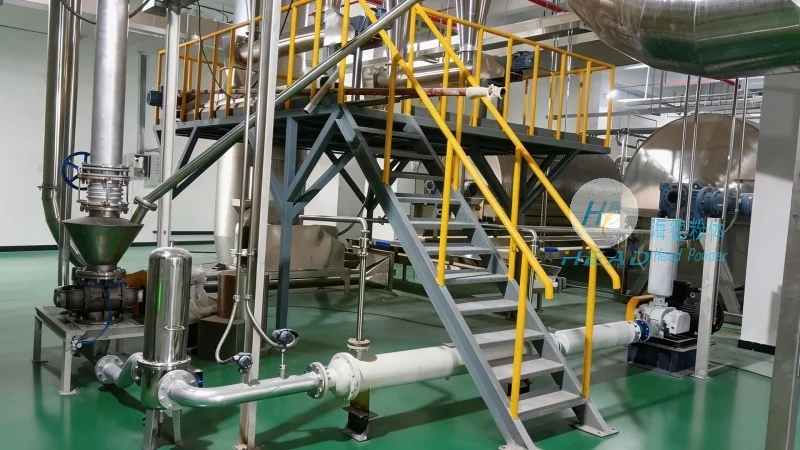
Third, the equipment is engineered for efficient material flow and minimal product loss. This involves careful consideration of the material's flow properties, such as its angle of repose and bulk density, to prevent bridging, caking, or segregation during transport. Advanced feeding and conveying systems, such as screw conveyors, belt conveyors, and pneumatic transport systems, are commonly used to maintain consistent flow rates and prevent material degradation.
Key Components and Their Functions
Several critical components make up magnesium oxide material handling equipment, each serving a specific purpose in the overall system. Storage silos or hoppers are used to store large quantities of magnesium oxide, providing a stable and controlled environment for material storage. These containers are often equipped with level indicators and discharge valves to regulate the flow of material to downstream equipment.
Feeding devices, such as rotary valves or vibratory feeders, are used to control the rate at which magnesium oxide is released from the storage silo. These components ensure a consistent and controlled feed rate, preventing overloading or underloading of downstream equipment like conveyors or processing units. The choice of feeder depends on the material's characteristics and the required flow rate.
Conveying systems, including belt conveyors, screw conveyors, and pneumatic transport lines, are used to transport magnesium oxide from one location to another. Belt conveyors are commonly used for horizontal or slight incline transport, while screw conveyors are ideal for vertical or inclined transport due to their ability to handle fine powders without clogging. Pneumatic transport systems use air pressure to move the material through pipes, which is particularly useful for long-distance or high-volume transport.
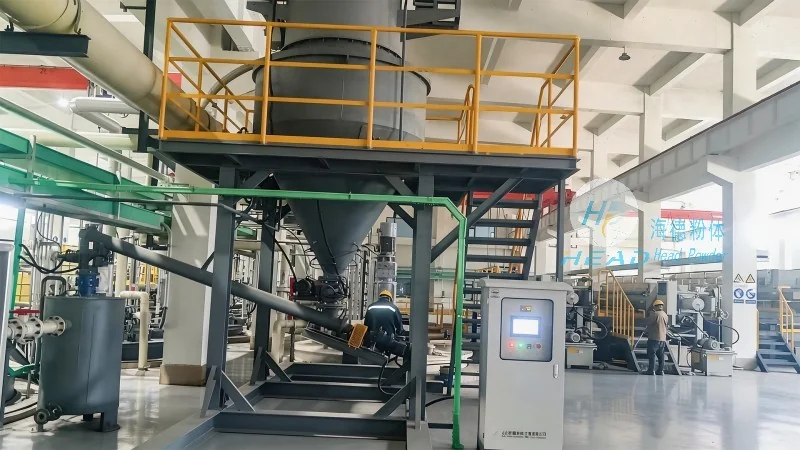
Advantages of Using Specialized Magnesium Oxide Equipment
Investing in specialized magnesium oxide material handling equipment offers several advantages for industrial operations. First, it enhances operational efficiency by ensuring smooth and continuous material flow, reducing downtime and increasing productivity. The controlled feeding and conveying systems minimize material loss and prevent blockages, which can lead to costly production interruptions.
Second, the equipment improves safety by containing dust and controlling material exposure. This reduces the risk of respiratory issues and other health hazards associated with handling fine powders. The sealed systems and proper ventilation help maintain a safe working environment, complying with industry standards and regulations.
Third, the equipment contributes to cost savings by reducing maintenance and operational costs. High-quality materials and robust designs minimize wear and tear, extending the equipment's lifespan and reducing the need for frequent repairs or replacements. Additionally, efficient material handling reduces energy consumption, contributing to lower operational costs.
Conclusion
Magnesium oxide material handling equipment is a critical component of industrial processes involving this versatile chemical compound. The design principles and components of these systems are tailored to address the unique properties of magnesium oxide, ensuring safe, efficient, and reliable operation. Companies like Shandong HeadPowder Engineering Co., Ltd. play a vital role in providing advanced material handling solutions that meet the demands of modern industrial applications, supporting businesses in achieving their operational goals while maintaining safety and compliance.