

Glucose Material Handling Equipment: What It Is and Its Design Principles
Glucose material handling equipment is a critical component in the industrial processing of glucose, facilitating the efficient and safe transportation of this essential sugar product. For companies operating in the glucose production and distribution sectors, understanding the functionality and design principles of this equipment is vital for optimizing operational efficiency and maintaining product quality. The equipment is engineered to handle the unique properties of glucose, such as its hygroscopic nature, which can affect flow characteristics and storage stability, ensuring consistent performance and preventing product degradation. Developed by Shandong HeadPowder Engineering Co., Ltd., this equipment exemplifies advanced engineering tailored to the specific needs of the glucose industry.
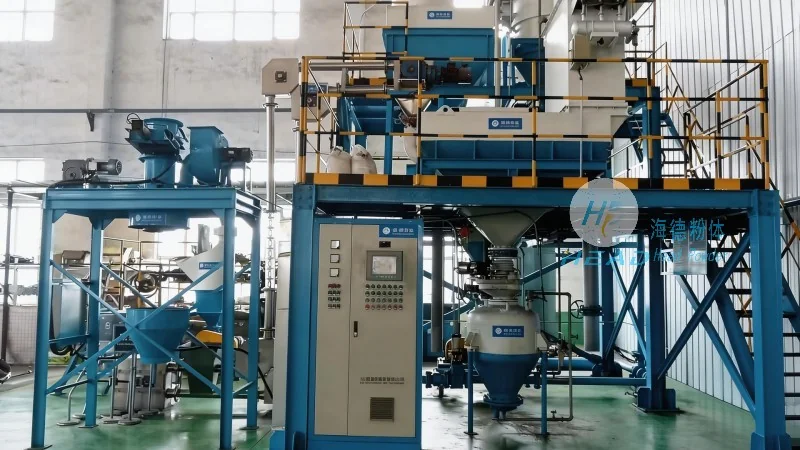
Introduction to Glucose Material Handling Equipment
Glucose material handling equipment encompasses a range of machinery and systems designed to move, store, and manage glucose in various forms, including granules, powders, and liquid solutions. These systems are integral to the entire glucose production process, from raw material handling to final product packaging. The equipment is tailored to address the specific challenges of handling glucose, such as its tendency to cake or bridge, and incorporates specialized features to maintain free-flowing material. By utilizing advanced engineering and materials science, these machines ensure reliable operation and support the overall productivity of glucose processing facilities.
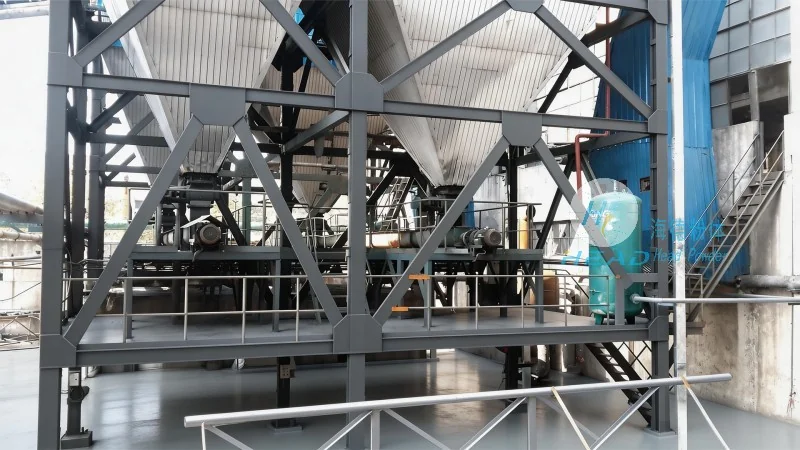
Key Design Principles for Glucose Handling
The design of glucose material handling equipment is guided by several fundamental principles to ensure optimal performance and safety. One of the primary considerations is the prevention of caking and bridging, which can occur due to the hygroscopic properties of glucose. To mitigate this, equipment often includes anti-caking mechanisms like vibration systems, air knives, or rotating paddles that break up agglomerates and maintain consistent flow. Additionally, the equipment is constructed from materials resistant to corrosion and chemical reactions, as glucose can interact with certain metals or coatings. Stainless steel and food-grade plastics are commonly used in the construction to ensure hygiene and durability, meeting the stringent requirements of food processing environments.
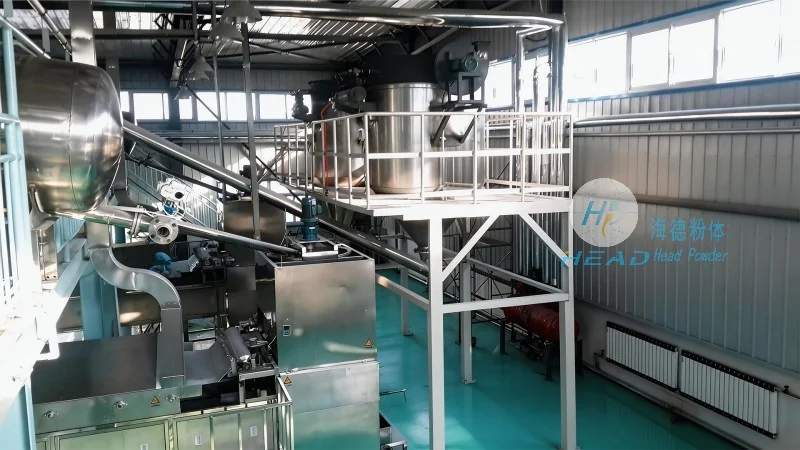
System Integration and Operational Efficiency
Glucose material handling equipment is typically integrated into larger production lines, working in conjunction with other machinery such as mixers, conveyors, and packaging machines. The design emphasizes seamless integration to minimize downtime and maximize throughput. Automated feeding systems and closed-loop control mechanisms enable precise dosing and monitoring of glucose flow rates, enhancing operational efficiency. This integration also facilitates better inventory management and reduces the risk of contamination by maintaining a closed system. The equipment is engineered to operate under controlled conditions, with temperature and humidity monitoring to prevent moisture absorption and preserve product quality throughout the handling process.
Applications in Glucose Production Stages
The applications of glucose material handling equipment span across different stages of glucose production. In the initial stages, equipment is used to transport raw materials like corn or starch to processing units. During the enzymatic hydrolysis and fermentation processes, specialized equipment ensures the uniform distribution of glucose solutions. In the final stages, the equipment handles the dried glucose product, moving it from storage silos to packaging lines. Each stage requires equipment tailored to the specific characteristics of the material—whether liquid, slurry, or dry powder—allowing for versatility in handling various forms of glucose. The systems are designed to adapt to different production scales, from small-scale batch processing to large-scale continuous operations, supporting the needs of diverse industrial applications.
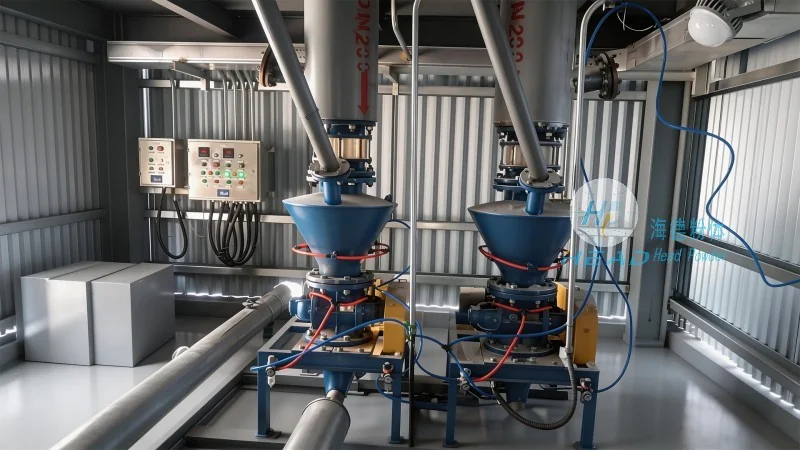
Maintenance and Safety Protocols
Proper maintenance of glucose material handling equipment is essential for long-term reliability and safety. Regular cleaning and inspection are necessary to prevent the buildup of glucose residues, which can lead to clogging or contamination. The equipment is designed with easy access points for maintenance, including removable components and cleaning-in-place (CIP) systems, facilitating efficient upkeep. Safety features, such as emergency stop buttons, overload protection, and material containment measures, are integrated into the design to protect operators and prevent product spills. Compliance with industry standards and regulations, including those from the Food and Drug Administration (FDA), is a key consideration in the design and operation of these systems, ensuring that the equipment meets the stringent requirements for food processing environments. By adhering to these maintenance and safety protocols, companies can extend the lifespan of their equipment and maintain high standards of product quality.