

What Are Grain and Bulk Material Conveying Equipment? And What Are Their Design Principles?
Grain and bulk material conveying equipment are essential industrial tools used in various sectors to transport bulk materials such as grains, powders, and other granular substances. These systems are designed to efficiently move large volumes of material from one location to another, ensuring smooth operations in industries like agriculture, food processing, and chemical manufacturing. The Shandong HeadPowder Engineering Co., Ltd., a leading manufacturer in this field, specializes in designing and producing high-quality conveying equipment tailored to meet the diverse needs of industrial applications.
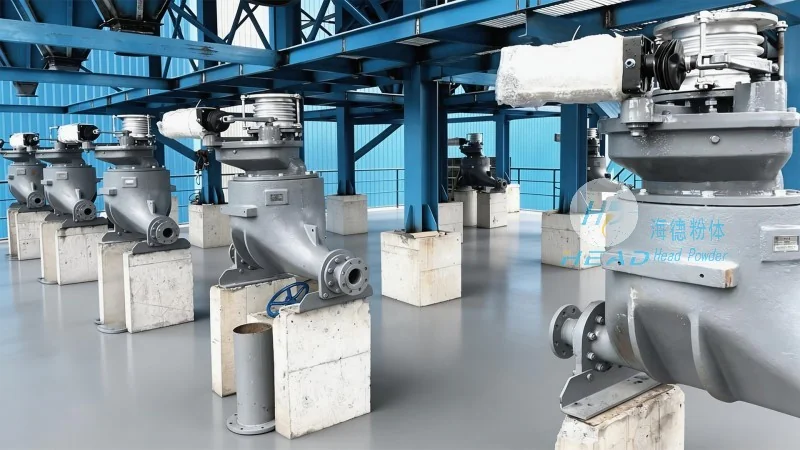
What Are Grain and Bulk Material Conveying Equipment?
Grain and bulk material conveying equipment encompasses a range of machinery and systems engineered to transport bulk materials in bulk form. These devices are designed to handle materials that are difficult to transport by other means, such as loose grains, powders, or granules. The primary goal of these systems is to move materials with minimal loss, low energy consumption, and high efficiency. Common applications include transporting grains from storage silos to processing facilities, moving powders in pharmaceutical or chemical plants, and conveying bulk materials in mining operations.
The Design Principles of Conveying Equipment
The design of grain and bulk material conveying equipment is based on several key principles that ensure effective and reliable operation. These principles include material flow dynamics, mechanical efficiency, and system integration. Engineers consider factors such as the material's density, flowability, and moisture content when designing the equipment. For example, screw conveyors are commonly used for materials with moderate flowability, while belt conveyors are suitable for heavier or more abrasive materials. The design also focuses on minimizing material degradation, preventing blockages, and ensuring consistent material flow. Advanced designs may incorporate features like variable speed drives, material sensors, and automated controls to enhance performance and adapt to changing operational conditions.
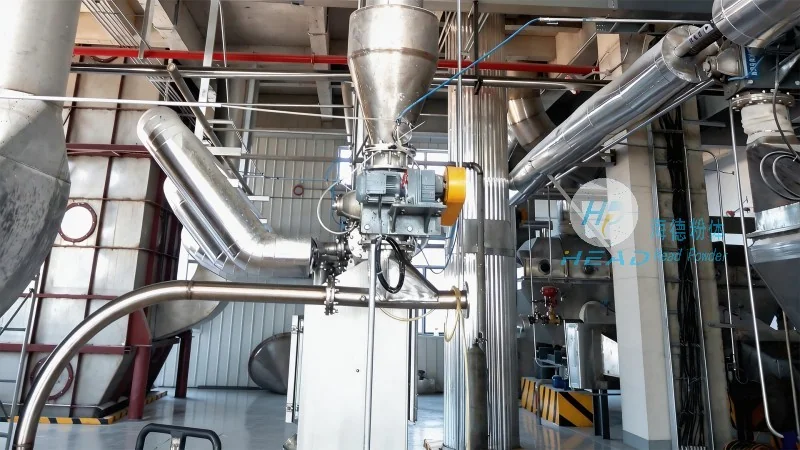
Key Components and Their Functions
Conveying systems typically consist of several key components, each playing a vital role in the overall operation. The main components include the conveyor itself (e.g., screw, belt, or chain), a drive system to power the conveyor, a feed hopper to introduce material, and a discharge mechanism to release the material at the end of the system. The conveyor is the core element, responsible for moving the material along the path. The drive system provides the necessary force to rotate or move the conveyor elements. The feed hopper ensures a consistent supply of material, preventing uneven flow or blockages. The discharge mechanism controls the release of material, ensuring it is directed to the intended destination. Each component is carefully designed and integrated to work together seamlessly, optimizing the conveying process.
Applications in Different Industries
Grain and bulk material conveying equipment finds applications across a wide range of industries, each with specific requirements. In the agricultural sector, these systems are used to transport harvested grains from fields to storage facilities or processing plants. In food processing, they help move ingredients like flour, sugar, or spices through production lines. The chemical industry utilizes conveying equipment to transport powders and granules in manufacturing processes, ensuring safety and efficiency. Mining operations also rely on these systems to move raw materials from extraction sites to processing facilities. The versatility of conveying equipment makes it an indispensable tool in modern industrial operations, supporting the smooth flow of materials and enhancing overall productivity.
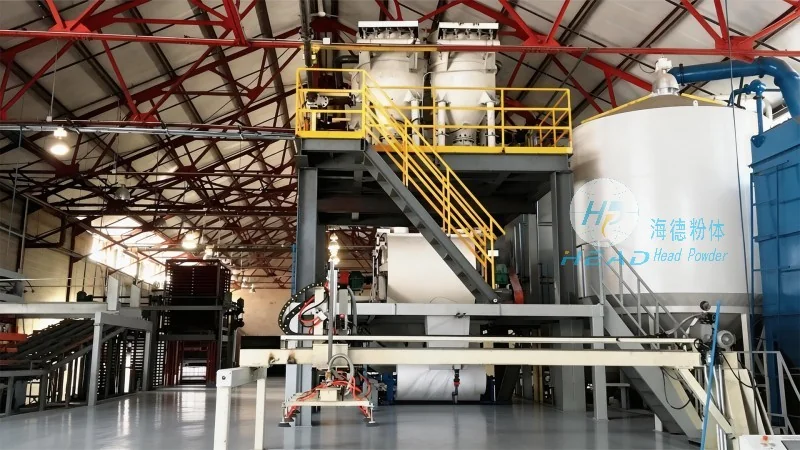
Benefits of Using Conveying Equipment
Implementing grain and bulk material conveying equipment offers numerous benefits for industrial operations. One of the primary advantages is the ability to handle large volumes of material efficiently, reducing labor costs and increasing throughput. These systems also minimize material loss and degradation during transport, preserving the quality of the product. Additionally, conveying equipment can operate continuously, providing a steady supply of materials to downstream processes. The design of these systems allows for easy integration with existing production lines, reducing downtime and improving operational flexibility. By optimizing material handling, conveying equipment helps businesses achieve higher productivity, lower operational costs, and improved product quality.
Conclusion
Grain and bulk material conveying equipment are critical components in modern industrial operations, designed to efficiently transport bulk materials while adhering to specific design principles. These systems are essential for industries ranging from agriculture to chemical manufacturing, supporting the smooth flow of materials and enhancing overall productivity. The careful design and integration of components ensure reliable and efficient operation, making conveying equipment a valuable investment for businesses seeking to optimize their material handling processes. With advancements in technology, these systems continue to evolve, offering improved performance and adaptability to meet the changing needs of industrial applications.