

What is a Petrochemical Material Handling Conveyor? What are its Design Principles?
A petrochemical material handling conveyor is a specialized system engineered to transport bulk materials within industrial facilities, particularly in the petrochemical sector. These systems are critical for ensuring efficient material flow, enhancing safety, and optimizing operational processes in environments where hazardous materials are handled. The design of such conveyors must adhere to stringent industry standards and incorporate advanced engineering principles to address the unique challenges posed by petrochemical applications.
Key Components of Petrochemical Material Handling Conveyors
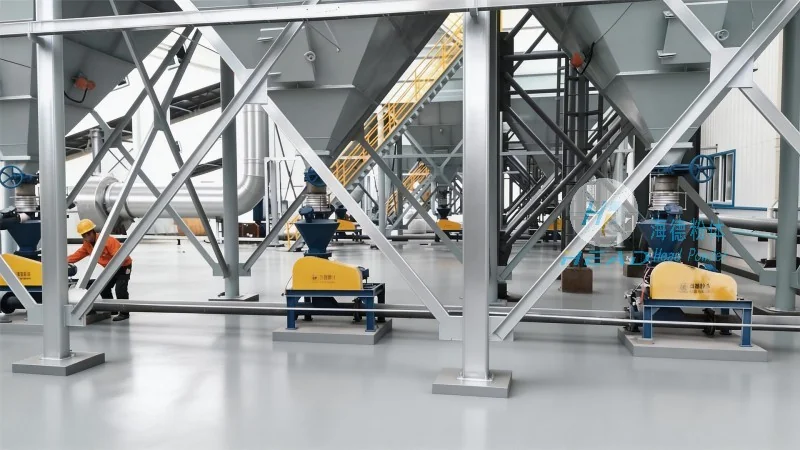
The core components of a petrochemical material handling conveyor typically include feeders, conveyors (such as belt, screw, or pneumatic conveyors), transfer points, and control systems. Each component is selected based on the material characteristics—such as size, density, and moisture content—and the operational requirements of the facility. For instance, belt conveyors are commonly used for transporting loose bulk materials due to their high load capacity and ability to handle abrasive substances. Screw conveyors, on the other hand, are ideal for handling powders and granules, providing precise control over material flow. Transfer points are designed to minimize material spillage and ensure smooth transitions between different conveyor sections, which is crucial in preventing contamination and maintaining product integrity.
Design Principles for Safety and Efficiency
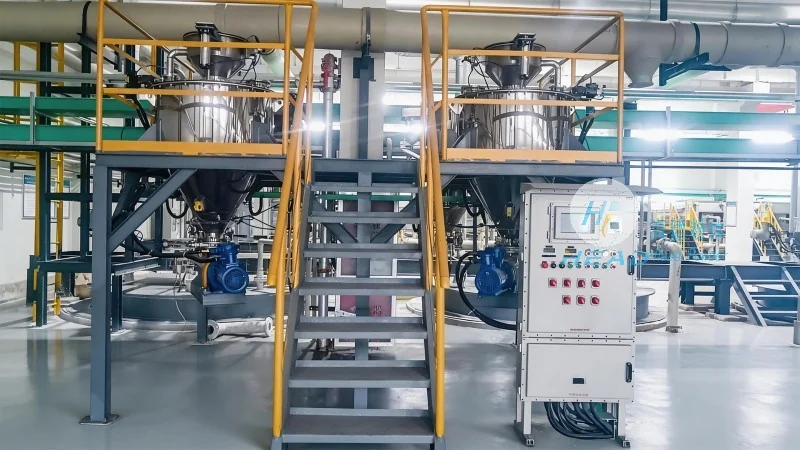
Designing a petrochemical material handling conveyor involves a comprehensive approach that prioritizes safety, reliability, and efficiency. Safety is paramount in petrochemical environments, where exposure to hazardous materials and potential fire or explosion risks necessitates robust engineering solutions. The conveyor system must incorporate features such as explosion-proof motors, flame-resistant materials, and emergency stop mechanisms to mitigate risks. Additionally, the design must consider the need for easy maintenance and cleaning, as petrochemical materials can be corrosive and may require regular sanitation to prevent buildup and contamination.
Material Selection and Durability
The choice of materials for the conveyor components is critical to ensure long-term performance and resistance to the harsh conditions of petrochemical operations. Components such as conveyor belts, frames, and bearings are typically made from high-strength, corrosion-resistant materials like stainless steel or specialized polymers. These materials are selected to withstand exposure to chemicals, temperature fluctuations, and mechanical stress. For example, stainless steel is preferred for its resistance to corrosion and ability to maintain structural integrity under high temperatures. Polymers, such as polyethylene or polypropylene, are used for lighter applications or where chemical resistance is not as critical, offering flexibility and cost-effectiveness. The durability of these materials directly impacts the overall lifespan and operational costs of the conveyor system, making material selection a key design consideration.
Control Systems and Automation
Modern petrochemical material handling conveyors are often equipped with advanced control systems and automation technologies to enhance operational efficiency and reduce human error. These systems typically include programmable logic controllers (PLCs), sensors, and monitoring software that allow for real-time control of material flow, speed, and direction. Sensors are used to detect material levels, blockages, or deviations, triggering automatic responses to prevent system downtime or accidents. Automation also enables remote monitoring and maintenance, allowing operators to manage the conveyor system from a central control room. This not only improves safety by minimizing human interaction with hazardous materials but also enhances productivity by ensuring consistent and reliable material transport. The integration of automation into the conveyor design is a key principle that aligns with the industry's push for smart manufacturing and process optimization.
Application Examples and Industry Impact
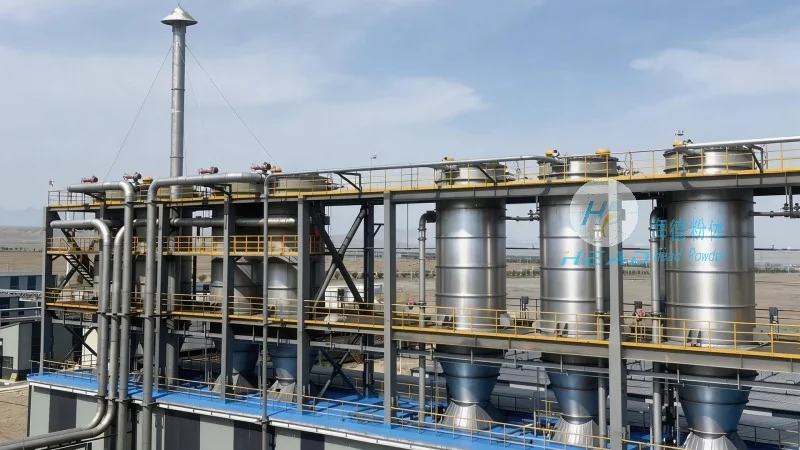
Petrochemical material handling conveyors are widely used in various applications within the petrochemical industry, including the transportation of raw materials like crude oil, refined products, and chemical intermediates. They are also employed in processing facilities for moving powders, granules, and liquids between different stages of production. For instance, in a refinery, a conveyor system may transport crude oil from storage tanks to distillation units, while another system handles the movement of finished products to storage or shipping areas. In chemical plants, conveyors are used to transport raw chemicals to reactors and to move finished products to packaging lines. The efficiency of these systems directly impacts the overall productivity of the facility, as delays in material transport can lead to bottlenecks and increased production costs. By ensuring smooth and reliable material flow, petrochemical conveyors contribute to the optimization of production processes and the reduction of operational downtime.
Conclusion: The Role of Engineering in Petrochemical Material Handling
In conclusion, petrochemical material handling conveyors are sophisticated systems that play a vital role in the efficient and safe operation of petrochemical facilities. The design principles behind these systems—such as material selection, safety features, and automation—ensure that they can withstand the harsh conditions of the industry while maintaining high performance. The expertise of companies like Shandong HeadPowder Engineering Co., Ltd. is crucial in developing and implementing these systems, as they bring together advanced engineering knowledge and industry experience to meet the unique needs of petrochemical operations. As the petrochemical industry continues to evolve, the importance of reliable material handling systems will only grow, making the design and maintenance of petrochemical conveyors an essential aspect of industrial operations.