

What is a Limestone and Gypsum Material Conveying Line? What Are Its Design Principles?
The limestone and gypsum material conveying line is a specialized industrial system designed to transport bulk materials such as limestone, gypsum, and other similar powders or granules. These systems are crucial in various industries, including cement production, chemical processing, and mining, where efficient material handling is essential for operational efficiency and cost-effectiveness. The design of such conveying lines involves careful consideration of material properties, processing requirements, and operational conditions to ensure reliable and safe material transport.
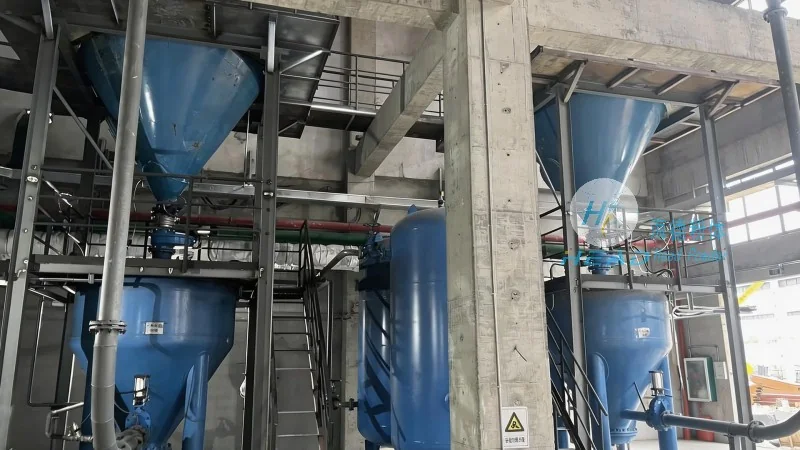
Key Components of Material Conveying Lines
A typical material conveying line consists of several key components that work together to achieve efficient material transport. These components include feeders, conveyors (such as belt conveyors, screw conveyors, or pneumatic conveyors), control systems, and auxiliary equipment like hoppers and chutes. The choice of components depends on the specific material characteristics, such as particle size, moisture content, and flowability, as well as the required conveying distance and throughput.
Design Principles for Efficient Material Transport
The design principles of limestone and gypsum material conveying lines focus on optimizing material flow, minimizing material degradation, and ensuring system reliability. Key design considerations include:
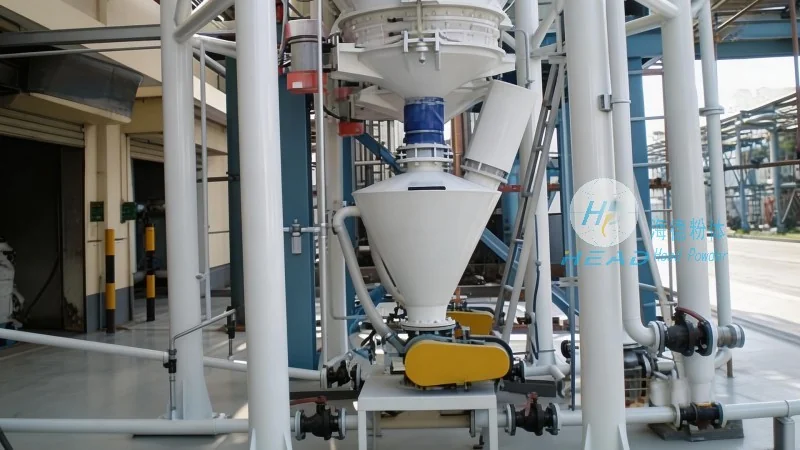
- **Material Properties Analysis**: Understanding the physical and chemical properties of limestone and gypsum is critical. These materials may have varying particle sizes, moisture content, and abrasiveness, which affect the selection of conveyor type and components. For example, limestone particles are often coarse and abrasive, requiring robust conveyor belts and wear-resistant components to prevent premature wear and tear.
- **Conveyor Type Selection**: The selection of the appropriate conveyor type is based on the material's characteristics and the conveying requirements. Belt conveyors are commonly used for long-distance horizontal or inclined transport due to their high capacity and low maintenance. Screw conveyors are suitable for vertical or inclined transport of fine powders, while pneumatic conveyors are ideal for dusty or fine materials that require dust collection and control.
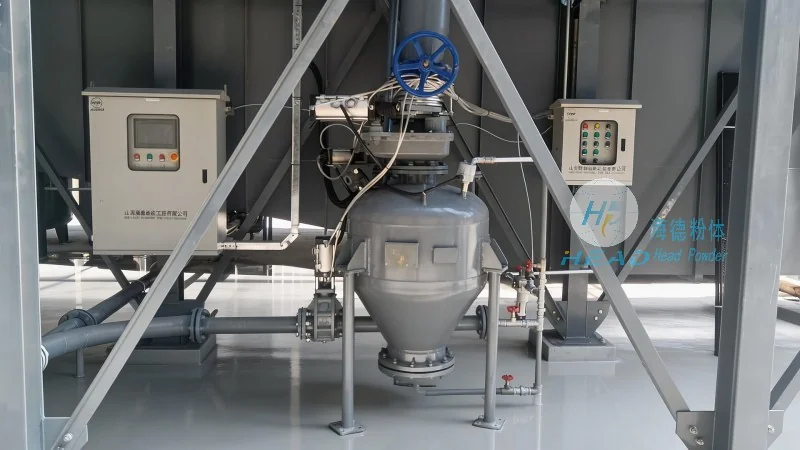
- **System Integration and Control**: Modern material conveying lines incorporate advanced control systems to monitor and regulate the conveying process. These systems ensure consistent material flow, prevent overloading or underloading, and provide real-time data for process optimization. Integration with other processing equipment, such as crushers or mixers, is also essential to maintain a smooth production workflow.
Role of Limestone and Gypsum in Industrial Applications
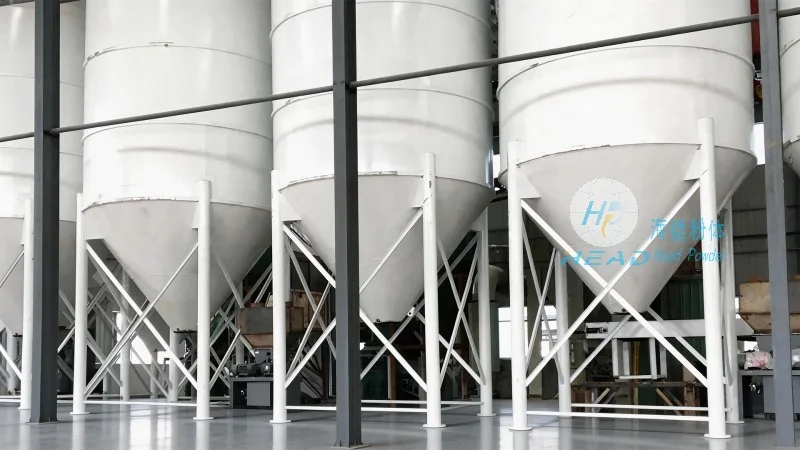
Limestone and gypsum are fundamental raw materials in many industrial processes. Limestone is widely used in cement production, where it is ground and mixed with other materials to form clinker. Gypsum, on the other hand, is used in the production of plaster and drywall, as well as in cement to control setting time. Efficient material conveying lines are vital for these industries as they ensure a steady supply of raw materials, which directly impacts production output and product quality.
HeadPowder's Expertise in Material Conveying Solutions
Shandong HeadPowder Engineering Co., Ltd. specializes in designing and manufacturing customized material conveying lines tailored to the specific needs of clients. With years of experience in the industry, HeadPowder understands the unique challenges associated with limestone and gypsum handling and provides comprehensive solutions that address material flow, system reliability, and operational efficiency. The company's team of engineers and technicians work closely with clients to analyze their material characteristics, process requirements, and operational constraints to develop optimal conveying systems.