

What is a Soap Granule Material Handling System? And What Are Its Design Principles?
For industrial applications involving the transportation of soap granules, a specialized material handling system is essential to ensure efficient and safe operation. This article explores the concept of a soap granule material handling system, detailing its components, operational mechanisms, and the underlying design principles that govern its functionality. By understanding these aspects, businesses can make informed decisions about implementing such systems to enhance productivity and maintain product quality.
Introduction to Soap Granule Material Handling Systems
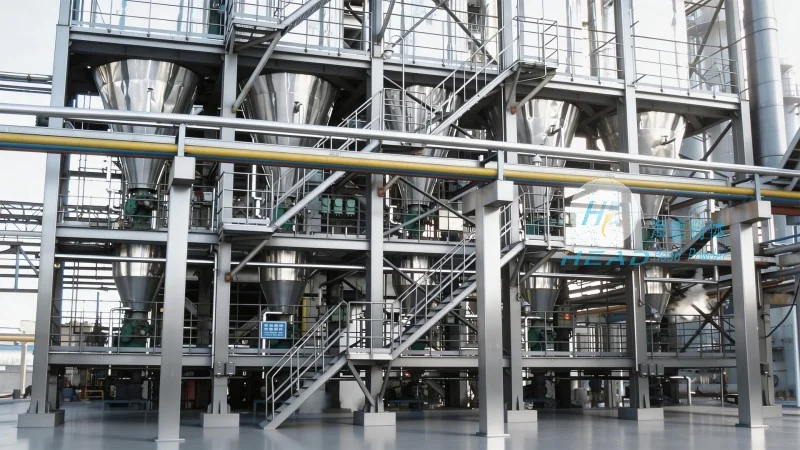
A soap granule material handling system is a mechanical setup designed to move soap granules from one location to another within an industrial facility. These systems are crucial in manufacturing processes where soap granules need to be transferred between storage, processing, and packaging stages. The system typically includes components like conveyors, feeders, and control mechanisms, all working in tandem to achieve seamless material flow. The primary goal is to minimize downtime, reduce labor costs, and ensure consistent product quality by automating the transportation of soap granules.
Key Components of a Soap Granule Material Handling System
The effectiveness of a soap granule material handling system relies on its integrated components, each serving a specific purpose in the material transport process. The main components include:
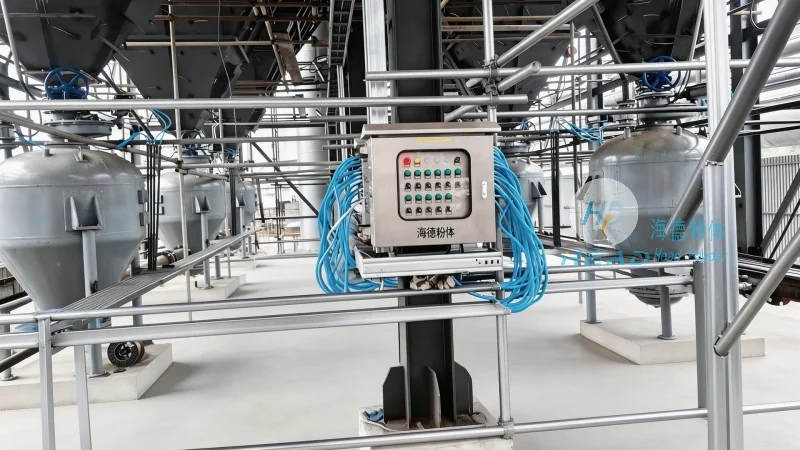
1. Conveyors: These are the core elements responsible for moving soap granules horizontally or vertically. Common types used in soap granule handling include belt conveyors, screw conveyors, and pneumatic conveyors. Belt conveyors are ideal for transporting granules over short to medium distances, while screw conveyors are suitable for vertical or inclined movement, often used in elevating or feeding applications. Pneumatic conveyors utilize air pressure to transport granules through a network of pipes, offering flexibility in layout and the ability to handle fine or dusty materials.
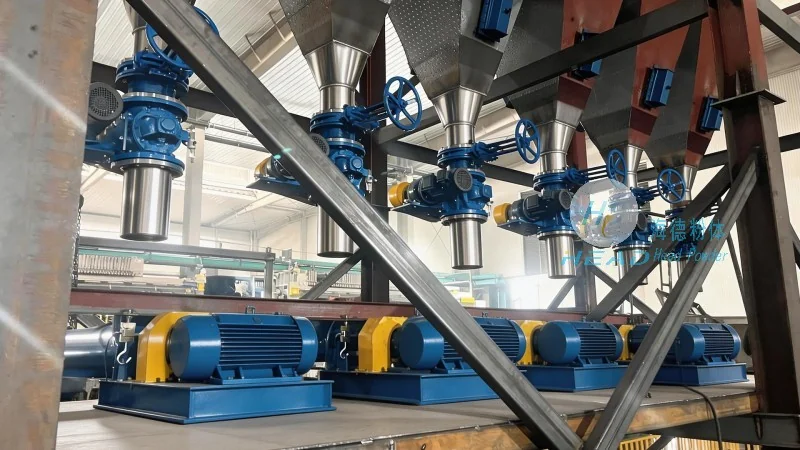
2. Feeders: Feeders regulate the flow rate of soap granules from a storage hopper or bin into the conveyor system. They ensure a consistent and controlled feed, preventing overloading or underfeeding that could disrupt the entire process. Common feeder types include vibratory feeders, rotary valves, and screw feeders. Vibratory feeders use vibration to move granules, providing precise control over the discharge rate. Rotary valves, also known as star feeders, are used for controlling the flow of bulk materials into downstream equipment, ensuring a steady supply to the conveyor.
3. Control Systems: Modern soap granule material handling systems are equipped with advanced control systems that monitor and regulate the operation of the components. These systems may include sensors, programmable logic controllers (PLCs), and human-machine interfaces (HMIs). Sensors detect the level of granules in hoppers, the speed of conveyors, and any blockages or jams in the system. The PLC processes the sensor data and adjusts the operation of feeders and conveyors accordingly, ensuring optimal performance and preventing equipment damage. The HMI allows operators to monitor the system status, adjust settings, and troubleshoot issues in real-time.
Design Principles for Efficient Soap Granule Handling
The design of a soap granule material handling system is guided by several key principles aimed at maximizing efficiency, safety, and reliability. These principles include:
1. Material Compatibility: The system components must be compatible with soap granules in terms of chemical and physical properties. Soap granules are typically alkaline and can be abrasive, so materials used for conveyors, hoppers, and piping must be resistant to corrosion and wear. Stainless steel is commonly used for these components due to its durability and resistance to chemical attack. Additionally, the system design must consider the size and shape of the granules to prevent blockages or damage to equipment.
2. Flow Optimization: The system is designed to optimize the flow of soap granules through the entire process. This involves proper hopper design to minimize material bridging or rat-holing, which can cause uneven flow and equipment jams. The angle of the hopper walls and the use of internal liners or baffles are critical in ensuring smooth material flow. Properly sized and positioned feeders and conveyors also contribute to optimal flow, preventing excessive pressure drops or velocity changes that could affect material handling efficiency.
3. Safety and Maintenance: Safety is a paramount consideration in the design of soap granule material handling systems. The system includes safety features such as emergency stop buttons, interlocks, and protective guards to prevent accidents and injuries. Regular maintenance is also a key design principle, with easy access to components for inspection, cleaning, and repair. The system is designed to minimize the risk of dust explosions by incorporating explosion-proof components and proper ventilation. Additionally, the use of lubricated bearings and sealed motors reduces the need for frequent maintenance, ensuring long-term reliability.
Applications and Benefits of Soap Granule Material Handling Systems
Soap granule material handling systems are widely used in various industries, including soap manufacturing, chemical processing, and food production. The primary benefits of implementing such systems include:
1. Increased Productivity: Automation of material handling reduces labor costs and increases production throughput. By eliminating manual handling of soap granules, the system allows for continuous operation, minimizing downtime and maximizing output.
2. Improved Product Quality: Consistent and controlled material flow ensures that soap granules are handled gently, preventing breakage or contamination. This leads to higher product quality and reduced waste.
3. Enhanced Safety: The system reduces the risk of workplace accidents associated with manual handling of bulk materials, such as dust inhalation or physical injuries from moving equipment.
4. Space Efficiency: The compact design of modern material handling systems allows for efficient use of available space in industrial facilities, making it possible to integrate the system into existing layouts without significant modifications.
Conclusion
In conclusion, a soap granule material handling system is a critical component in industrial processes involving soap granules. Its design, based on principles of material compatibility, flow optimization, and safety, ensures efficient and reliable operation. By understanding the key components and design principles, businesses can select and implement an appropriate system to enhance productivity, improve product quality, and ensure workplace safety. As a leading provider in this field, Shandong HeadPowder Engineering Co., Ltd. specializes in designing and manufacturing customized material handling solutions tailored to the specific needs of soap manufacturers, ensuring optimal performance and long-term value.