

What is a Polyethylene Material Handling System Equipment? What are its Design Principles?
When it comes to efficient material handling in industrial settings, the polyethylene material handling system equipment stands out as a crucial solution. This equipment is specifically designed to handle polyethylene materials, which are widely used in various industries due to their lightweight, durable, and chemical-resistant properties. Understanding what this system entails and its underlying design principles is essential for businesses looking to optimize their material handling processes. Developed by Shandong HeadPowder Engineering Co., Ltd., this system is engineered to meet the highest standards of performance and reliability.
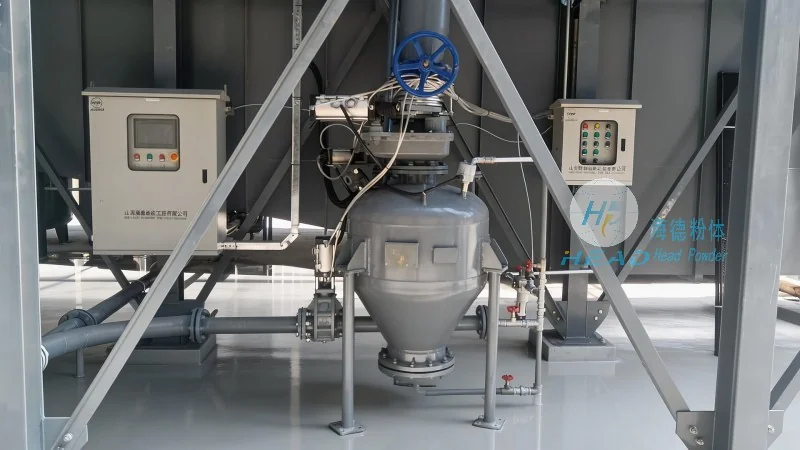
Introduction to Polyethylene Material Handling System Equipment
Polyethylene, commonly known as PE, is a thermoplastic polymer that serves as a primary material in many applications, including packaging, construction, and manufacturing. The polyethylene material handling system equipment is engineered to transport, store, and manage these polyethylene materials efficiently. It typically consists of components such as conveyors, storage bins, and handling tools that work in tandem to streamline the material flow within a facility. The system is designed to accommodate the unique characteristics of polyethylene, such as its flexibility and resistance to abrasion, ensuring that the handling process is both safe and effective.
Key Components of the Polyethylene Material Handling System
The polyethylene material handling system comprises several key components that work together to achieve optimal performance. The primary components include:
1. Conveyor Systems: These are the backbone of the material handling system, responsible for transporting polyethylene materials from one location to another. Depending on the application, conveyors can be belt-driven, roller-based, or chain-driven. The design of the conveyor system is tailored to handle the specific weight and dimensions of polyethylene products, ensuring smooth and continuous movement.
2. Storage Solutions: Storage bins or silos are integrated into the system to store polyethylene materials before they are processed or shipped. These storage solutions are often made from durable materials that can withstand the environmental conditions and potential chemical exposure associated with polyethylene. The design of the storage units ensures proper ventilation and easy access for loading and unloading operations.
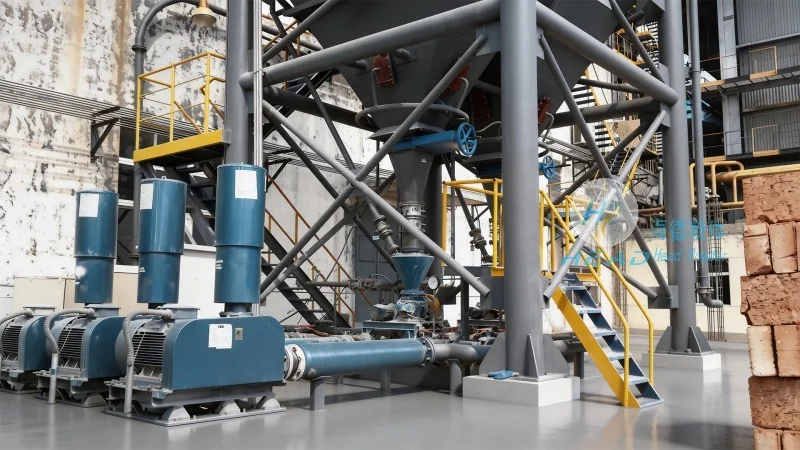
3. Handling Tools: Specialized tools, such as pallet jacks, forklifts, or automated lifting mechanisms, are used to handle polyethylene materials. These tools are designed to minimize the risk of damage to the polyethylene products and to enhance the efficiency of the handling process. The selection of handling tools depends on the size, weight, and shape of the polyethylene items being handled.
Design Principles Behind the Polyethylene Material Handling System
The design of the polyethylene material handling system is guided by several key principles aimed at maximizing efficiency, safety, and cost-effectiveness. These principles include:
1. Material Compatibility: The system is designed to be compatible with polyethylene materials, considering their physical and chemical properties. This includes ensuring that all components are resistant to the potential chemicals or solvents that may come into contact with the polyethylene, preventing degradation or damage to the system.
2. Efficiency and Flow Optimization: The system is engineered to minimize material handling time and maximize throughput. This involves designing the layout of the system to reduce the distance materials need to travel and to eliminate bottlenecks that could slow down the process. The use of automated controls and sensors helps in monitoring the flow and adjusting operations as needed.
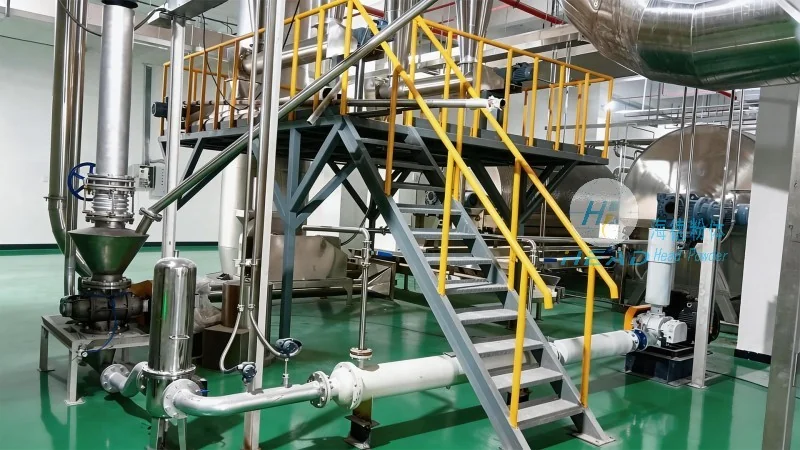
3. Safety and Ergonomics: Safety is a top priority in the design of the polyethylene material handling system. The system incorporates features such as safety guards, emergency stop buttons, and ergonomic handling tools to protect operators from injuries. The design also considers the physical strain on workers, ensuring that the handling process is as comfortable and safe as possible.
4. Modularity and Scalability: The system is designed to be modular, allowing for easy expansion or modification as the business grows. This flexibility enables companies to adapt the system to changing production needs without significant disruptions. The modular design also facilitates maintenance and repairs, as individual components can be replaced or upgraded without affecting the entire system.
Applications and Benefits of the Polyethylene Material Handling System
The polyethylene material handling system finds applications in various industries, including manufacturing, packaging, and construction. Its benefits include improved productivity, reduced labor costs, and enhanced safety. By streamlining the handling process, the system allows businesses to focus on their core operations while ensuring that polyethylene materials are managed efficiently and effectively.
In conclusion, the polyethylene material handling system equipment is a sophisticated solution designed to handle polyethylene materials with precision and efficiency. Its design principles, which prioritize material compatibility, flow optimization, safety, and modularity, make it an essential asset for any business dealing with polyethylene products. By understanding and implementing this system, companies can enhance their operational efficiency and maintain a competitive edge in their respective industries.