

Desulfurization and Dust Removal Ash Material Handling System: What It Is and Its Design Principles
Desulfurization and dust removal processes in power plants and industrial facilities generate large volumes of ash and sludge. These byproducts require efficient and reliable material handling systems to transport them from the treatment units to storage or disposal sites. The desulfurization and dust removal ash material handling system is a specialized equipment setup designed to manage this process, ensuring safe and effective movement of the ash material. This system is crucial for maintaining operational efficiency and compliance with environmental regulations.
Components and Functionality of the Material Handling System
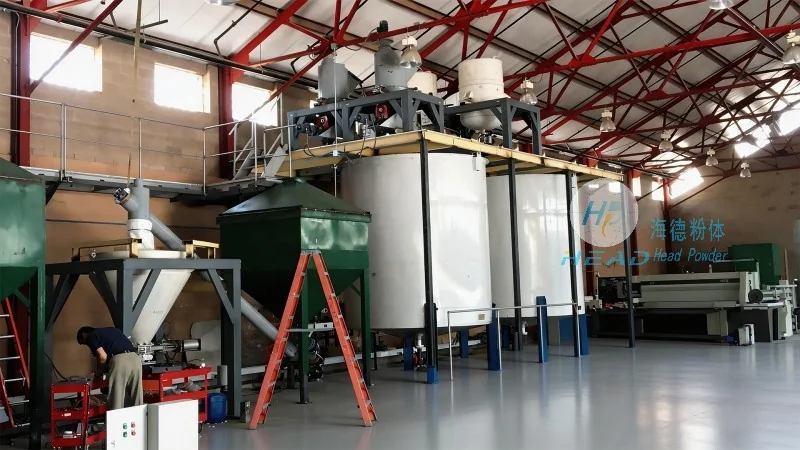
The desulfurization and dust removal ash material handling system typically consists of several key components, each playing a vital role in the overall operation. The primary components include ash hoppers, conveyor belts or screw conveyors, dust collection units, and control systems. The ash hoppers collect the ash produced during the desulfurization process, which may be wet or dry depending on the specific treatment method. From the hoppers, the ash is transferred to the conveyor system, which transports it to the storage silos or disposal areas. Dust collection units are integrated to capture any airborne particles, ensuring that the process remains dust-free and environmentally safe. The control system monitors the entire operation, adjusting the flow rate and ensuring that the system operates within safe parameters.
Design Principles for Efficient Material Handling
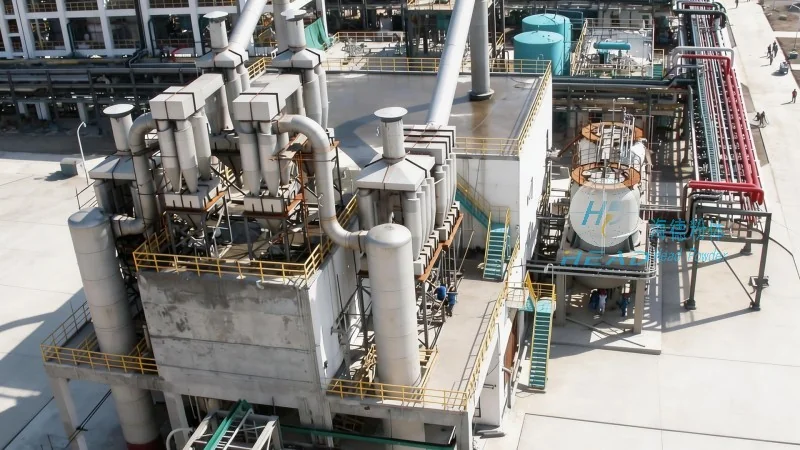
The design of a desulfurization and dust removal ash material handling system follows several key principles to ensure optimal performance and longevity. First, the system must be designed to handle the specific characteristics of the ash, including its moisture content, particle size, and density. This involves selecting appropriate conveyor types, such as belt conveyors for dry ash or screw conveyors for wet ash, to prevent blockages and ensure smooth operation. Second, the system must prioritize safety and environmental compliance. This includes incorporating dust collection and filtration systems to minimize emissions and protect workers from hazardous particles. Third, the design must consider the overall plant layout and space constraints, ensuring that the system can be integrated seamlessly without disrupting existing operations. Additionally, the system should be designed for easy maintenance and repair, with accessible components and clear operational guidelines.
HeadPowder's Expertise in Designing Material Handling Solutions
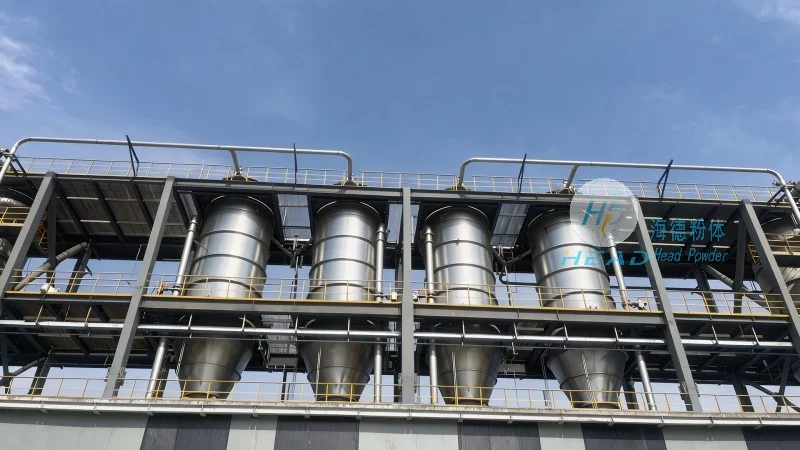
Shandong HeadPowder Engineering Co., Ltd., a leading provider of industrial engineering solutions, specializes in designing and manufacturing desulfurization and dust removal ash material handling systems. With years of experience in the power and environmental sectors, HeadPowder has developed a reputation for delivering high-quality, reliable systems that meet the specific needs of its clients. The company's team of engineers and technicians works closely with clients to understand their operational requirements and environmental goals, ensuring that the final design is both efficient and compliant. HeadPowder's systems are built with durable materials, such as stainless steel and corrosion-resistant components, to withstand the harsh conditions of ash handling. The company also provides comprehensive after-sales support, including maintenance services and technical assistance, to ensure that the system operates at peak performance throughout its lifecycle.
Key Features and Benefits of the Material Handling System
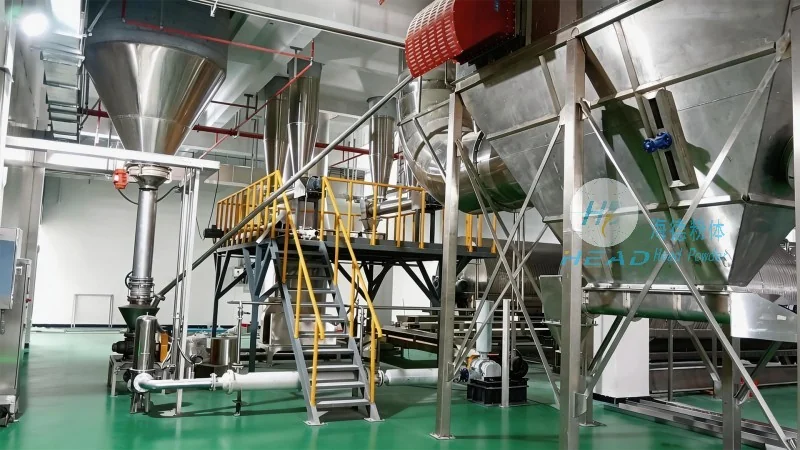
The desulfurization and dust removal ash material handling system from HeadPowder offers several key features and benefits that make it an ideal choice for industrial facilities. One of the primary benefits is its high efficiency, which minimizes downtime and maximizes the throughput of ash material. The system's design ensures that the ash is transported smoothly and consistently, reducing the risk of blockages or spills. Another key feature is its environmental friendliness, as the integrated dust collection units help to minimize emissions and comply with local regulations. The system is also designed for durability, with components that can withstand the abrasive nature of ash and the corrosive effects of moisture. Additionally, the system is easy to maintain, with accessible parts and clear operational instructions, reducing the need for extensive downtime for repairs. Overall, the system provides a cost-effective and reliable solution for managing ash material, helping facilities to operate more efficiently and sustainably.