

What is a Lithium-Ion Battery Nanomaterial Material Handling System Equipment? What are its Design P
The lithium-ion battery industry has been rapidly evolving, with a growing demand for efficient and precise material handling systems to manage nanomaterials. This article explores the concept of a lithium-ion battery nanomaterial material handling system equipment and delves into its core design principles, highlighting the technological advancements that enable optimal performance in battery manufacturing processes.
Understanding the Role of Material Handling Systems in Battery Production
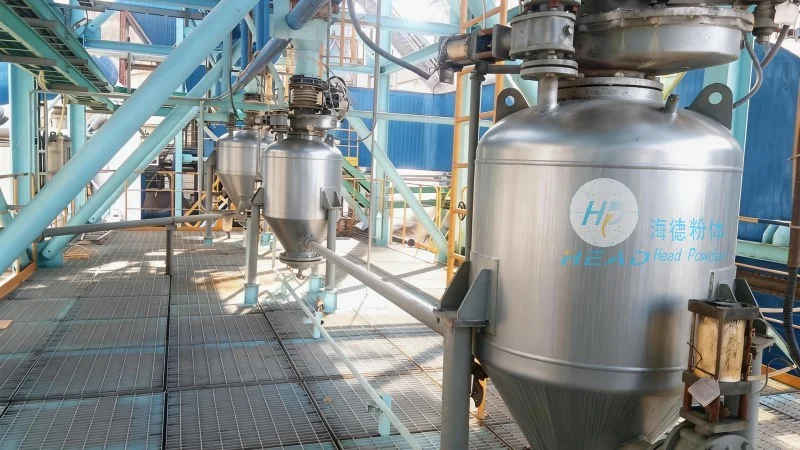
In the production of lithium-ion batteries, the handling of nanomaterials such as cathode active materials, anode materials, and conductive additives is critical. These materials are often in powder form and require specialized equipment to ensure uniform mixing, accurate dosing, and safe transportation. The material handling system plays a pivotal role in maintaining the quality and consistency of these materials, which directly impacts the performance and lifespan of the final battery products.
Key Components and Design Principles of the Equipment
The lithium-ion battery nanomaterial material handling system typically consists of several key components, each designed to address specific challenges in material processing. These components include feeders, conveyors, mixers, and storage units, all integrated to form a seamless workflow. The design principles focus on precision, efficiency, and safety, ensuring that the nanomaterials are handled without degradation or contamination.
Precision Feeding and Dosing Mechanisms
One of the critical design aspects is the precision feeding and dosing mechanisms. These systems use advanced sensors and control technologies to measure and dispense materials with high accuracy. For instance, gravimetric feeders are commonly employed to ensure the exact weight of each material is added to the mixing process. This precision is essential for maintaining the chemical composition and performance characteristics of the battery materials, as even minor variations can lead to significant differences in battery performance.
Conveyor and Transport Systems for Nanomaterials
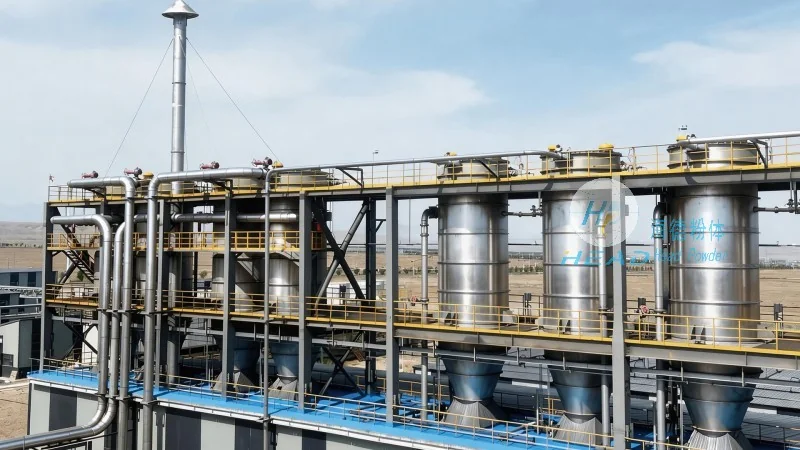
The conveyor and transport systems are designed to move nanomaterials safely and efficiently between different stages of the production line. These systems often use enclosed or sealed designs to prevent dust contamination and ensure a controlled environment. The materials are typically transported in a dry or low-humidity state to avoid agglomeration or moisture-related issues. The design incorporates features such as adjustable speed controls and material flow monitoring to optimize the transport process and minimize downtime.
Mixing and Blending Technologies for Battery Materials
After feeding and transporting, the nanomaterials undergo mixing and blending processes to achieve the desired chemical composition. The design of the mixing equipment is tailored to handle fine powders without causing excessive friction or heat generation, which could degrade the material properties. High-shear mixers or planetary mixers are commonly used, with temperature and speed controls to maintain the integrity of the nanomaterials. The mixing process is crucial for ensuring uniform distribution of active materials, conductive agents, and binders, which are essential for the battery's electrochemical performance.
Storage and Handling Considerations for Nanomaterials
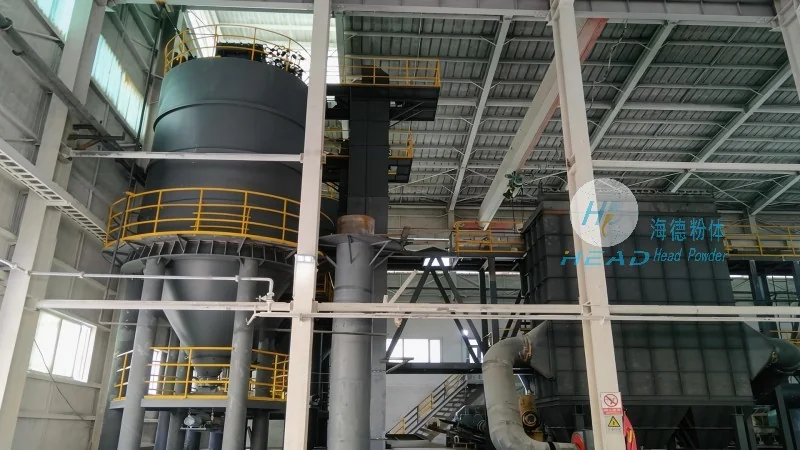
The storage units in the material handling system are designed to preserve the quality of the nanomaterials over time. These systems often include features such as airtight containers, moisture barriers, and temperature-controlled environments to prevent material degradation. The design also considers the handling of bulk materials, ensuring that the storage and retrieval processes are efficient and safe. Proper storage is vital to maintain the material's properties, as exposure to air, moisture, or other contaminants can alter its performance characteristics.
The Role of Material Handling Systems in Enhancing Battery Performance
The effectiveness of the material handling system directly impacts the quality of the final lithium-ion battery. By ensuring precise dosing, uniform mixing, and safe transport of nanomaterials, the system contributes to the battery's energy density, cycle life, and overall reliability. The design principles, which prioritize accuracy and efficiency, help in producing high-quality battery materials that meet the stringent requirements of modern applications, including electric vehicles and renewable energy storage systems.
Conclusion: The Importance of Advanced Material Handling Systems
In conclusion, the lithium-ion battery nanomaterial material handling system equipment is a critical component in the battery manufacturing process. Its design principles, focusing on precision, safety, and efficiency, enable the production of high-performance battery materials. As the battery industry continues to advance, the development of more sophisticated material handling systems will be essential to meet the growing demand for better battery performance and reliability. The integration of advanced technologies in these systems ensures that manufacturers can produce consistent and high-quality lithium-ion batteries, supporting the broader adoption of clean energy technologies.