

Metering Bin Pump Powder Pneumatic Conveying: What It Is and Its Design Principles
Understanding the fundamentals of metering bin pump powder pneumatic conveying is crucial for industries that rely on efficient and reliable material handling solutions. This technology, often referred to as a metering bin pump, plays a vital role in transporting bulk powders and granules through a pneumatic system. The following article delves into the core concepts of this process, exploring its design principles and the key components that enable its operation.
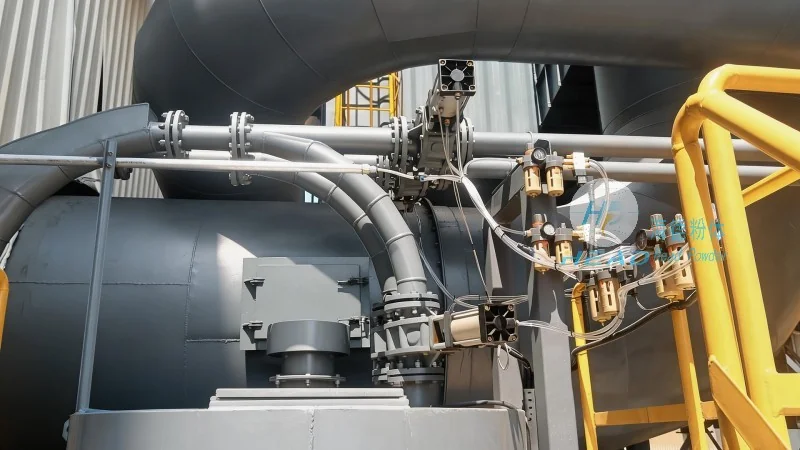
What is Metering Bin Pump Powder Pneumatic Conveying?
Metering bin pump powder pneumatic conveying is a method of transporting dry bulk materials, such as powders and granules, using compressed air or other gases. Unlike traditional mechanical conveyors, this system relies on the force of the air to move the material through a pipeline. The process begins with the material being stored in a hopper or bin, which is equipped with a metering valve. As the material is discharged from the bin, it is drawn into the conveying line by the air flow, creating a dense phase or dilute phase flow depending on the system design. This technology is widely used in various industries, including chemical, pharmaceutical, food, and cement, where precise control over material flow and minimal product degradation are essential.
The Design Principles of Metering Bin Pump Systems
The design of a metering bin pump system is based on several key principles to ensure optimal performance and efficiency. The primary goal is to achieve a consistent and controlled flow of material, which is critical for maintaining product quality and preventing blockages or uneven distribution. The system typically consists of a storage bin, a metering valve, a conveying line, and a receiver. The metering valve is a critical component, as it regulates the amount of material discharged from the bin, ensuring a steady flow rate. The conveying line is designed to handle the pressure and flow requirements of the system, with appropriate sizing to minimize pressure drop and energy consumption. The receiver, where the material is deposited, is also designed to prevent product degradation and ensure easy access for maintenance.
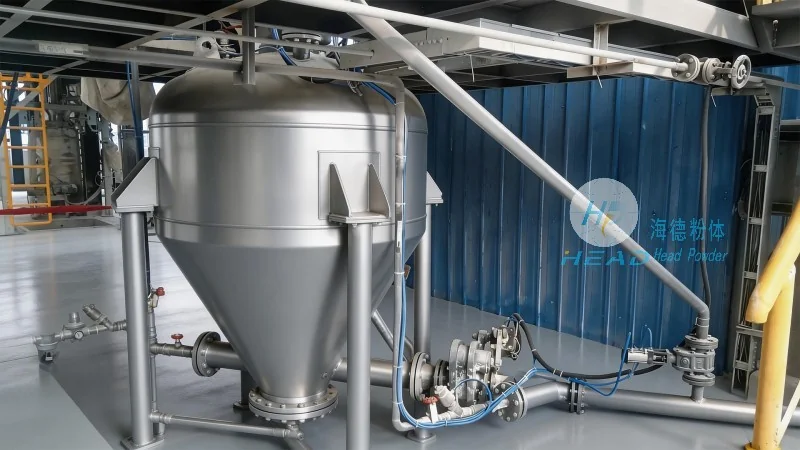
Key Components and Their Functions
Several components work together to enable the operation of a metering bin pump system. The storage bin, or hopper, is where the bulk material is stored and from which it is discharged. The bin is typically equipped with a hopper liner to prevent material buildup and wear. The metering valve, often a rotary or slide valve, controls the flow rate of the material. The conveying line, made of materials such as stainless steel or plastic, is designed to withstand the pressure and temperature of the system. The air compressor or blower provides the necessary pressure to move the material through the line. The receiver, where the material is collected, is designed to minimize dust and ensure easy cleaning. Each component is carefully selected and designed to work in harmony, ensuring the system operates efficiently and reliably.
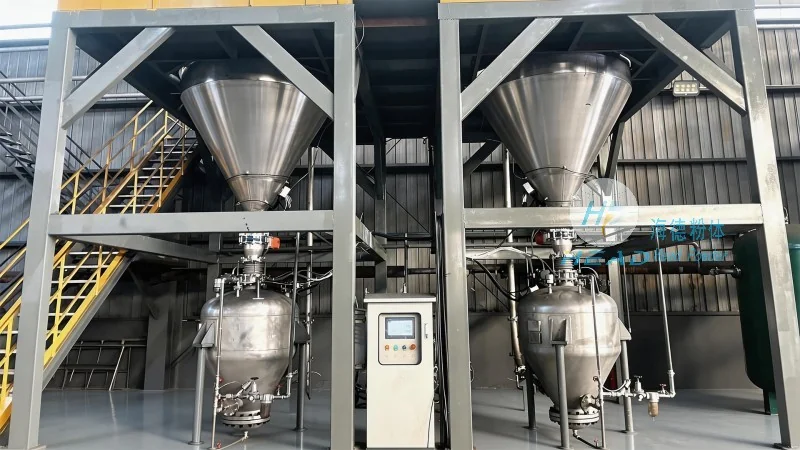
Advantages of Metering Bin Pump Powder Pneumatic Conveying
There are several advantages to using metering bin pump systems for powder pneumatic conveying. One of the main benefits is the ability to transport materials over long distances without the need for multiple transfer points. This reduces the risk of product contamination and improves overall system efficiency. Another advantage is the precise control over material flow, which is essential for applications where uniform distribution is required. The system is also relatively compact and can be easily integrated into existing facilities. Additionally, metering bin pumps are capable of handling a wide range of materials, from fine powders to coarse granules, making them a versatile solution for various industries.
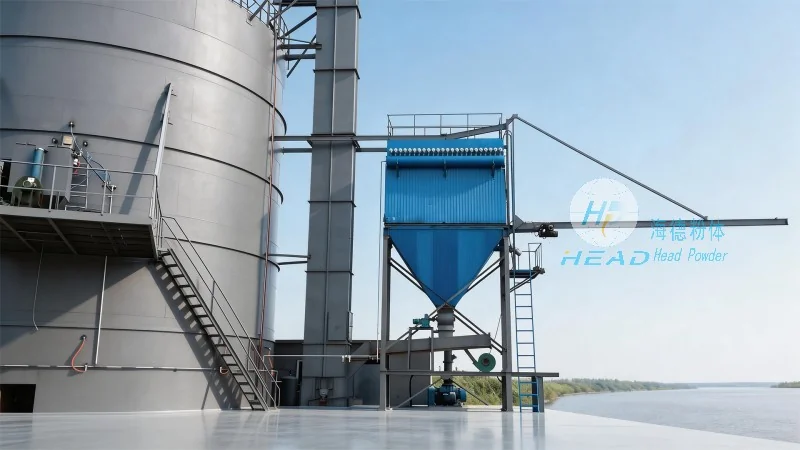
Applications and Industries
Metering bin pump powder pneumatic conveying is used in a variety of industries where bulk material handling is required. In the chemical industry, it is used to transport raw materials and finished products, such as powders and granules. In the pharmaceutical industry, it is used to transport active ingredients and excipients, ensuring that the material is handled in a sterile and controlled environment. In the food industry, it is used to transport ingredients such as flour, sugar, and spices, ensuring that the material is handled in a hygienic and safe manner. In the cement industry, it is used to transport raw materials and finished products, such as cement and clinker. The versatility of this technology makes it a popular choice for many industries that require efficient and reliable material handling solutions.
Conclusion
Metering bin pump powder pneumatic conveying is a reliable and efficient method of transporting bulk materials. The design principles and components of this system are carefully selected to ensure optimal performance and efficiency. The system is widely used in various industries, including chemical, pharmaceutical, food, and cement, where precise control over material flow and minimal product degradation are essential. As a leading manufacturer in this field, Shandong HeadPowder Engineering Co., Ltd. specializes in providing high-quality metering bin pump systems that meet the specific needs of their clients. With their expertise and commitment to quality, they are able to deliver systems that are reliable, efficient, and cost-effective.