

Working Principle and Features of Coffee Powder Handling Equipment
For coffee processing facilities, efficient and reliable handling of coffee powder is crucial to maintaining product quality and operational efficiency. This article explores the working principles and key features of coffee powder handling equipment, providing insights into how these systems enhance the coffee production process. Developed by Shandong HeadPowder Engineering Co., Ltd., commonly known as headpowder, based in Shandong, China, these systems are designed to meet the specific needs of the coffee industry.
Working Principle of Coffee Powder Handling Equipment
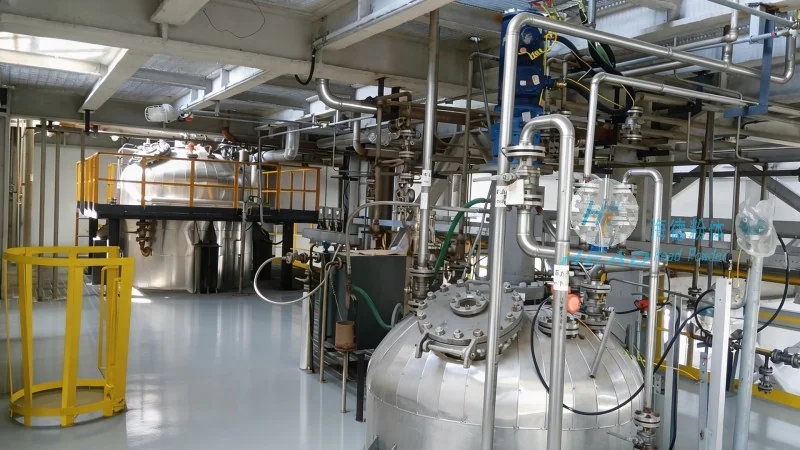
Coffee powder handling equipment operates based on principles that ensure safe and effective transport of fine coffee powders. The core mechanism involves several key components, including feeders, conveyors, and control systems. Feeders are designed to uniformly distribute the coffee powder into the conveying system, preventing blockages and ensuring consistent flow. Conveyors, such as pneumatic or mechanical systems, then transport the powder through pipelines or open channels. Control systems monitor and regulate the flow rate, pressure, and temperature to maintain optimal conditions for the coffee powder. This integrated approach ensures that the coffee powder is moved without degradation, preserving its aroma and quality.
Key Features of Coffee Powder Handling Equipment
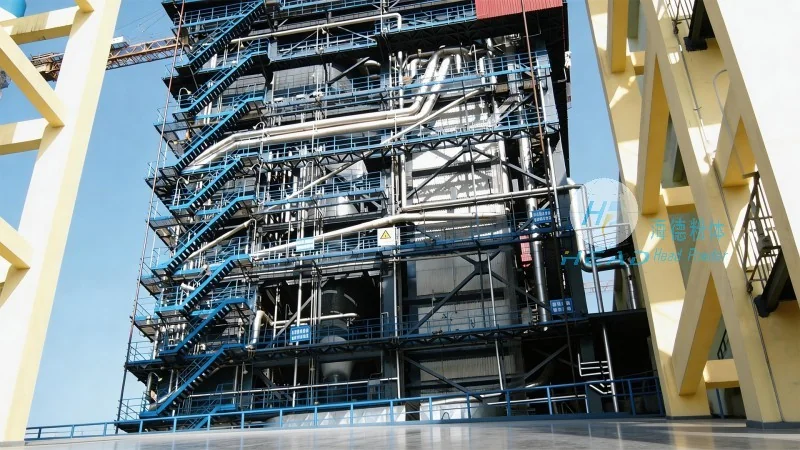
The features of coffee powder handling equipment are tailored to meet the specific demands of coffee processing. One of the primary features is the ability to handle fine, abrasive materials without causing wear or damage to the equipment. High-quality materials, such as stainless steel or specialized polymers, are used in the construction of these systems to withstand the abrasive nature of coffee powder. Another critical feature is the dust control and containment capabilities. Coffee powder is a fine particulate that can easily become airborne, posing health and safety risks. Advanced dust collection systems, including filters and enclosures, are integrated into the equipment to minimize dust emissions and maintain a clean working environment. Additionally, the equipment is designed for easy cleaning and maintenance, with removable components that can be sanitized to prevent contamination. This ensures compliance with food safety regulations and extends the lifespan of the machinery.
Application in Coffee Production
Coffee powder handling equipment is widely used in various stages of coffee production, from raw material handling to final product packaging. In the raw material processing stage, the equipment efficiently transports coffee beans from storage to grinding units. During the grinding process, the fine coffee powder is then conveyed to storage silos or packaging lines. The equipment's ability to handle high volumes and maintain product integrity is essential for large-scale coffee production facilities. For example, in a commercial coffee roasting plant, the equipment ensures that the freshly ground coffee powder is moved quickly and without exposure to air, which could lead to oxidation and loss of flavor. This contributes to the overall quality of the final coffee products.
Advantages of Using Coffee Powder Handling Equipment
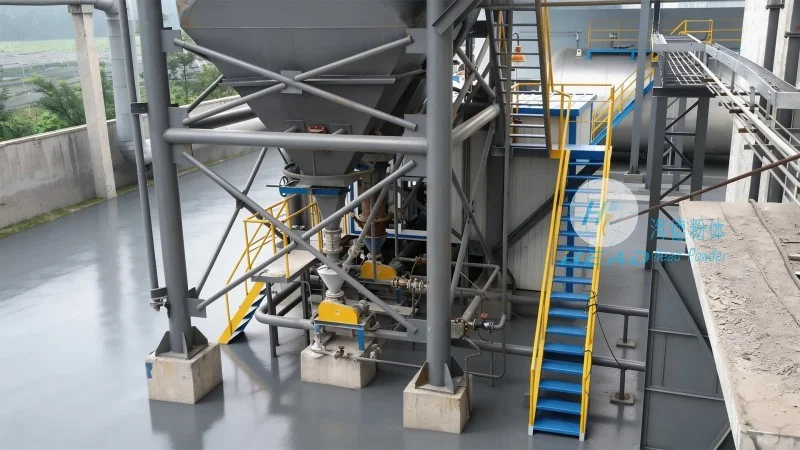
Implementing coffee powder handling equipment offers several advantages for coffee processing businesses. Firstly, it improves operational efficiency by automating the transport of coffee powder, reducing labor costs and minimizing the risk of human error. The automated systems can operate continuously, ensuring a steady supply of coffee powder to production lines. Secondly, the equipment enhances product quality by maintaining consistent flow and preventing contamination. This is particularly important for specialty coffee products, where even small variations in quality can impact customer satisfaction. Thirdly, the equipment reduces operational costs through energy efficiency and low maintenance requirements. Modern coffee powder handling systems are designed to use less energy while providing reliable performance, leading to long-term cost savings. Additionally, the equipment contributes to a safer working environment by containing dust and minimizing the risk of accidents associated with manual handling of fine powders.