

[WTTLE]Working Principle and Features of Sulfur Powder Conveying Lines
HeadPowder, a leading provider in the field of bulk material handling, specializes in the design, manufacturing, and installation of efficient sulfur powder conveying systems. Based in Shandong, China, the company has established itself as a trusted partner for industries requiring reliable and high-performance solutions for transporting sulfur powder. This article delves into the working principle and key features of sulfur powder conveying lines, offering insights into how these systems operate and the advantages they bring to industrial applications.
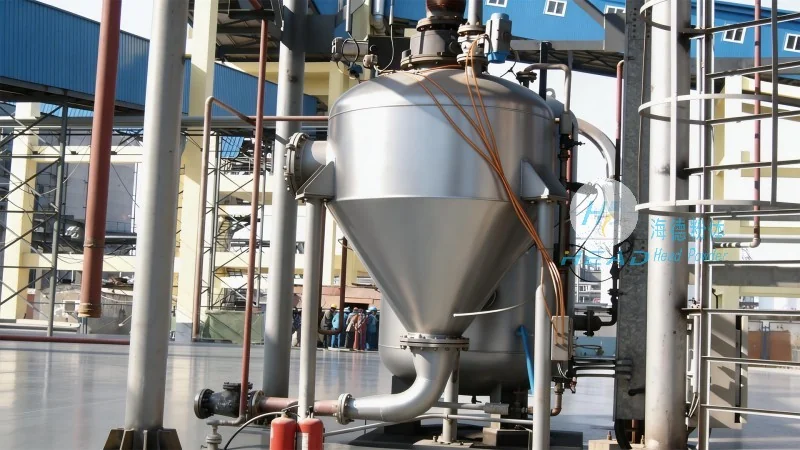
Working Principle of Sulfur Powder Conveying Lines
Sulfur powder conveying lines typically operate on the principle of pneumatic or mechanical transport, depending on the specific requirements of the application. The most common method is pneumatic conveying, which uses compressed air to move the powder through a pipeline. In this system, a hopper or feeder is used to feed the sulfur powder into the pipeline, where it is then carried by the air stream. The air pressure and velocity are carefully controlled to ensure the powder is transported efficiently without clogging or degradation. The system may include components such as a rotary valve, a filter, and a receiver to manage the flow and maintain the quality of the conveyed material. The working principle involves the creation of a consistent air-powder mixture, which is then directed to the destination point, such as a storage silo or processing unit. This method is particularly effective for handling sulfur powder due to its low moisture content and the need for a dust-free environment in many industrial processes.
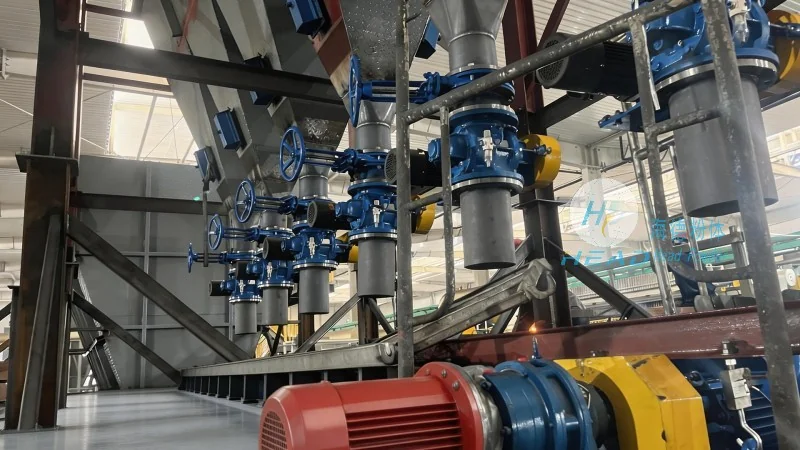
For instance, in pneumatic conveying, the system can be categorized into two main types: negative pressure (or vacuum) conveying and positive pressure conveying. Negative pressure systems draw the powder into the pipeline using a vacuum created by a fan or blower, while positive pressure systems push the powder through the pipeline using compressed air. The choice between these types depends on factors such as the distance to be covered, the amount of material to be transported, and the need for dust control. In sulfur powder applications, negative pressure systems are often preferred as they help maintain a clean and safe environment by preventing dust from escaping into the surrounding area. The system components, including the hopper, feeder, and pipeline, are designed to handle the specific properties of sulfur powder, such as its low bulk density and tendency to form agglomerates. Proper maintenance and cleaning procedures are essential to prevent blockages and ensure the longevity of the conveying line.
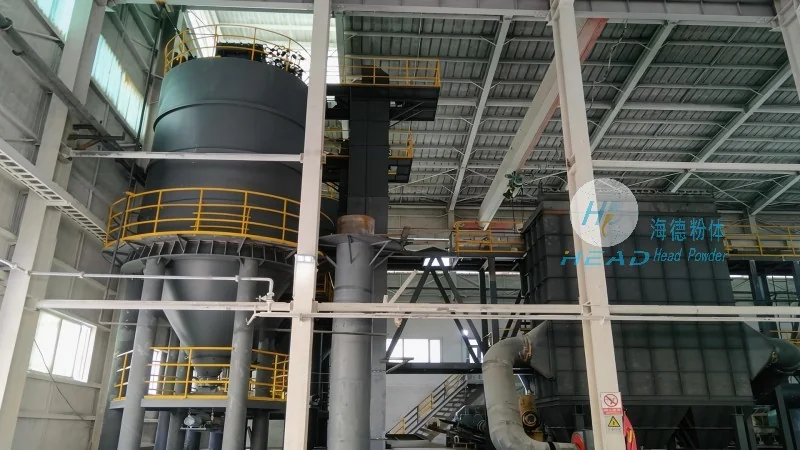
Key Features of Sulfur Powder Conveying Lines
HeadPowder's sulfur powder conveying lines are characterized by several key features that enhance their performance and reliability. One of the primary features is the ability to handle fine powders with high efficiency, ensuring minimal loss and consistent flow rates. The systems are designed to minimize dust generation and contamination, which is crucial for maintaining product quality and safety in industrial settings. Another important feature is the flexibility in system configuration, allowing for customization to meet specific plant layouts and operational needs. The conveying lines are constructed from materials that are resistant to corrosion and chemical exposure, such as stainless steel or specialized coatings, ensuring long-term durability and low maintenance costs. Additionally, the systems are equipped with advanced control mechanisms that allow for precise regulation of air pressure, flow rate, and material feed, providing operators with real-time monitoring and adjustment capabilities. These features collectively contribute to the overall efficiency and safety of sulfur powder handling operations.
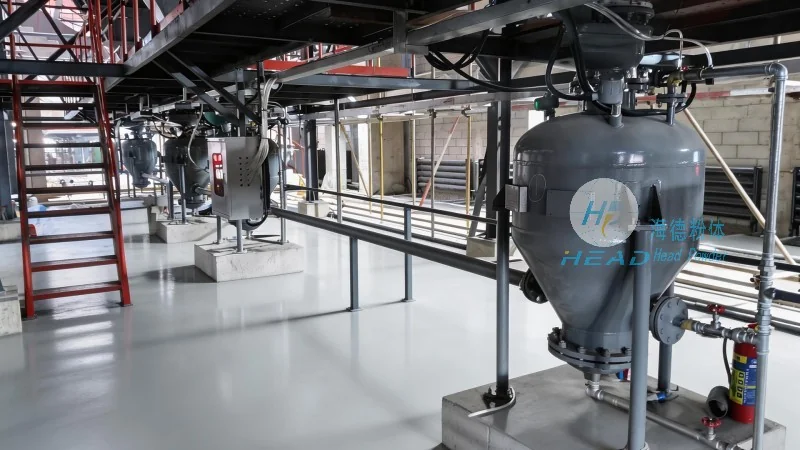
Advantages and Applications
The sulfur powder conveying lines offered by HeadPowder provide numerous advantages that make them suitable for a wide range of industrial applications. These systems are highly efficient in transporting sulfur powder from storage to processing units, reducing the need for manual handling and associated risks. The automated operation of the conveying lines minimizes labor costs and improves safety by eliminating the need for workers to handle large quantities of powder directly. Additionally, the systems are designed to be energy-efficient, with optimized air flow and pressure control reducing operational costs over time. The reliability of the conveying lines is enhanced by the use of high-quality components and robust construction, ensuring consistent performance even under demanding conditions. HeadPowder's sulfur powder conveying lines are widely used in industries such as sulfur production, chemical processing, and fertilizer manufacturing, where the efficient and safe handling of sulfur powder is critical to operational success.