

Working Principle and Features of Calcined Limestone Powder Conveying Lines
Calcined limestone powder conveying lines are critical industrial equipment designed to efficiently transport fine calcined limestone powder from production sites to processing or storage facilities. These systems ensure consistent material flow while minimizing loss and contamination. The following sections will explore the working principle and key characteristics of such lines, providing a comprehensive overview of their operational efficiency and design considerations.
Working Principle of Calcined Limestone Powder Conveying Lines
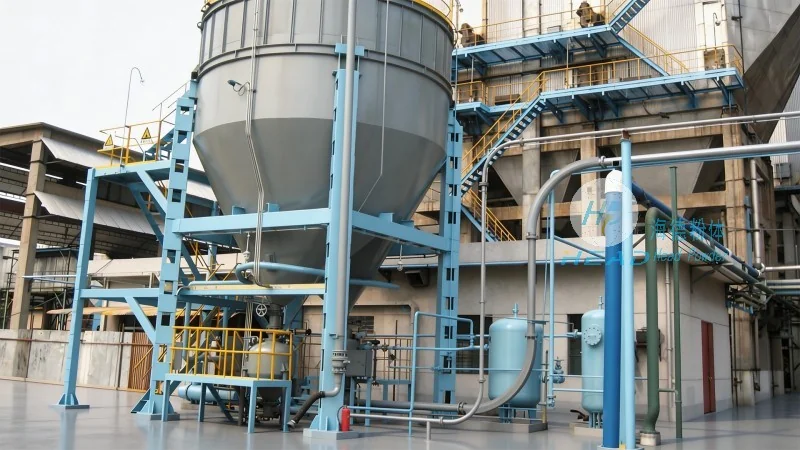
The working principle of calcined limestone powder conveying lines involves a series of interconnected components working in tandem to achieve material transport. The process typically begins with a feeding mechanism, such as a hopper or rotary valve, which controls the powder's entry into the system. This step ensures a steady, controlled feed rate, preventing blockages and maintaining uniform flow. Following the feeding stage, the powder is conveyed through a medium, which may be pneumatic (air-based) or mechanical (e.g., screw or belt conveyors). Pneumatic systems use compressed air to move the powder through pipes, while mechanical systems rely on rotating components to push the material forward. The choice depends on factors like powder properties, transport distance, and system requirements. Often, a combination of both methods is used for optimal performance. The conveying line may also include filters, cyclones, or dust collectors to manage dust and comply with environmental regulations. Control mechanisms, like variable speed drives or pressure sensors, adjust flow rates to prevent overloading and reduce energy consumption, enhancing overall reliability.
Key Features of Calcined Limestone Powder Conveying Lines
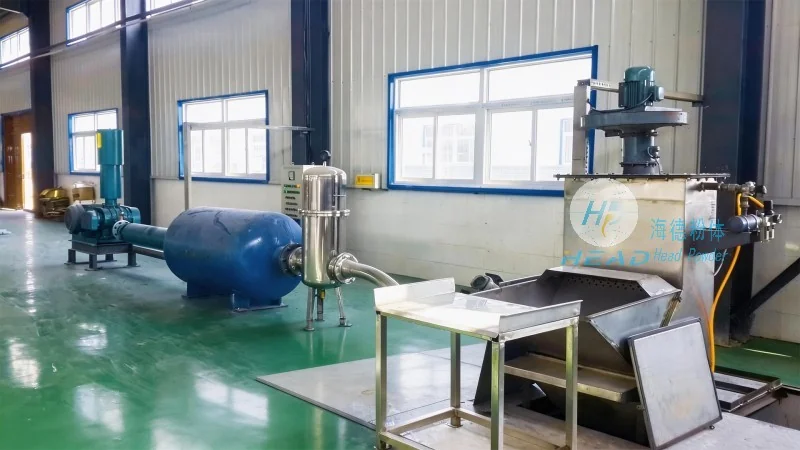
Calcined limestone powder conveying lines are defined by several key features that enhance their effectiveness in industrial settings. One primary feature is their ability to handle fine powders efficiently, minimizing degradation or agglomeration during transport. The system's design, including material selection for pipes and components, prevents corrosion or wear from abrasive limestone powder. Advanced sealing systems reduce dust leakage and maintain a clean environment. Flexibility is another notable trait, as lines can be customized for varying distances, heights, and angles, allowing integration into existing layouts with minimal changes. Low maintenance is achieved through accessible components, reducing downtime and operational costs. Energy efficiency is prioritized with features like variable speed drives and optimized air flow. Robust construction and durable materials ensure long-term reliability. Real-time monitoring and control systems enable operators to track flow rates and pressures, facilitating quick troubleshooting and optimization.
Applications and Benefits in Industrial Operations
Calcined limestone powder conveying lines are widely used in sectors like chemical manufacturing, cement production, and food processing. In the chemical industry, they transport limestone as a raw material for calcium compounds, ensuring consistent supply and quality. In cement production, efficient conveyance maintains the final product's strength and durability. Benefits include improved operational efficiency, reduced labor costs, and enhanced workplace safety by minimizing manual handling and dust exposure. Consistent flow prevents interruptions from shortages or blockages. Energy-efficient designs lower operational costs. The adaptability allows seamless integration into existing facilities. These systems also help avoid material loss or contamination, supporting smooth downstream processes.
Conclusion and Company Overview
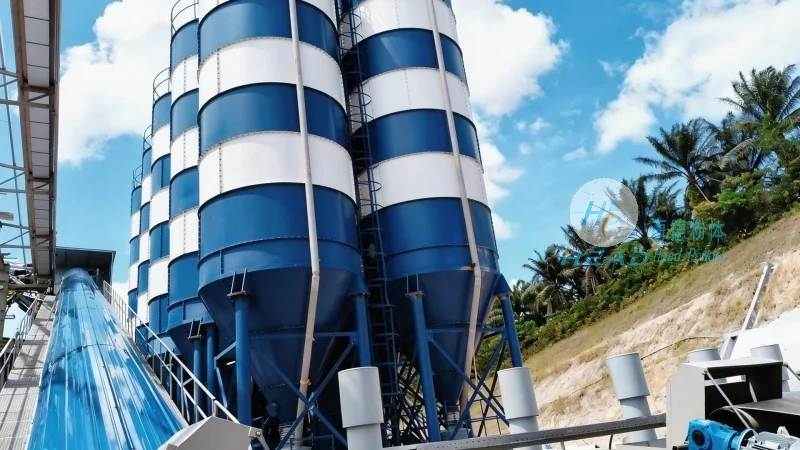
Calcined limestone powder conveying lines are sophisticated industrial systems vital for efficient material handling and transport. Understanding their working principle and features enables industries to enhance efficiency, reduce costs, and improve safety. Design and implementation require careful consideration of material properties, transport needs, and environmental regulations. Shandong HeadPowder Engineering Co., Ltd., known as headpowder, specializes in developing and manufacturing high-quality conveying systems tailored to diverse industrial needs. With a focus on innovation and customer satisfaction, headpowder offers customized solutions ensuring reliable and efficient material transport. Based in Shandong, China, the company leverages expertise and local resources to deliver products meeting international standards and industry regulations. Its commitment to quality and service has established it as a trusted partner in the industrial equipment sector, providing reliable solutions for calcined limestone powder conveying requirements.