

Working Principle and Features of Polycrystalline Silicon Powder Conveyors
Polycrystalline silicon powder conveyors are critical equipment in the manufacturing processes of solar energy and semiconductor industries. These systems are designed to handle the unique properties of polycrystalline silicon, a key raw material used in photovoltaic cells and other high-tech applications. Understanding the working principle and features of such conveyors is essential for optimizing material flow, ensuring product quality, and enhancing operational efficiency in industrial settings.
Working Principle of Polycrystalline Silicon Powder Conveyors
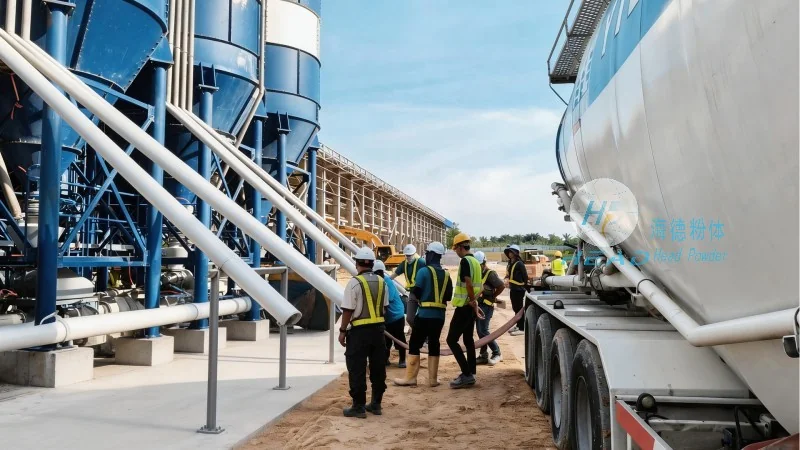
The core working principle of a polycrystalline silicon powder conveyor involves the use of specialized mechanisms to transport fine, abrasive powders from one location to another. These conveyors typically employ a combination of components, including feeding devices, conveying elements, and control systems, to achieve efficient material movement. The process begins with the material being fed into the system, often through a hopper or feeder that ensures a consistent flow rate. The conveying element, such as a screw, belt, or pneumatic system, then transports the powder through the system. For polycrystalline silicon, which is known for its high purity and fine particle size, the conveyor must be designed to minimize material degradation and contamination. This is achieved through features like smooth, non-stick surfaces, proper sealing, and controlled speed to prevent particle attrition or agglomeration. The control system monitors and adjusts parameters like speed, pressure, and temperature to maintain optimal conditions throughout the conveying process. Overall, the working principle focuses on delivering a reliable, high-quality transport solution that meets the stringent requirements of modern industrial applications.
Key Features of Polycrystalline Silicon Powder Conveyors
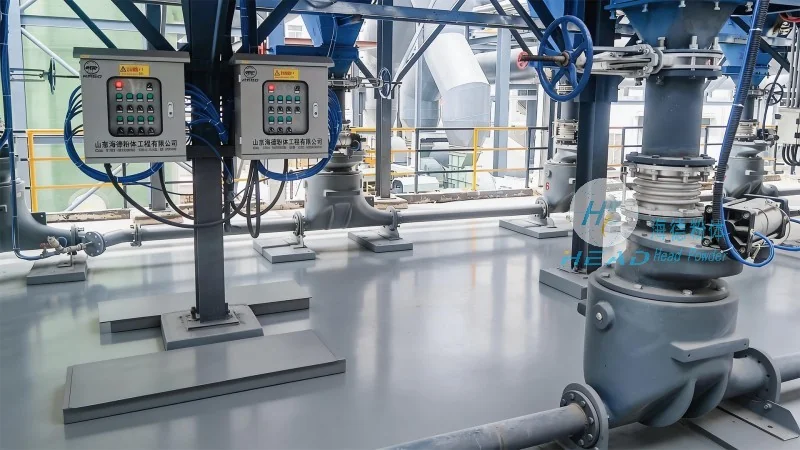
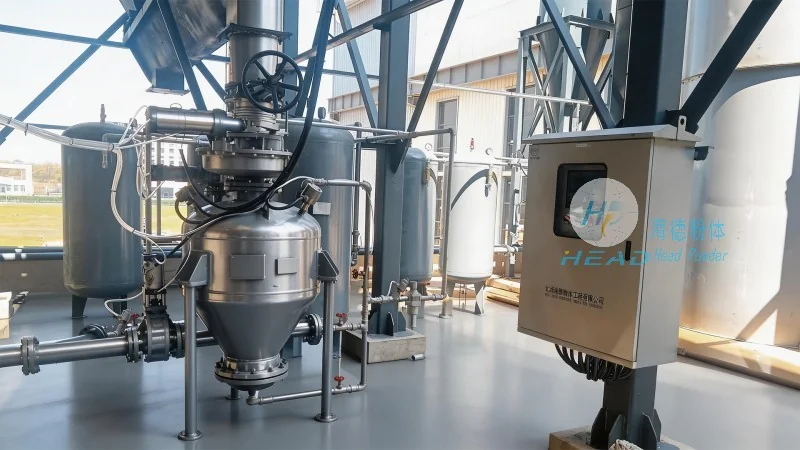
Polycrystalline silicon powder conveyors from Shandong HeadPowder Engineering Co., Ltd. are characterized by several advanced features that set them apart in the industry. These features are tailored to address the specific challenges of handling polycrystalline silicon, ensuring both efficiency and product integrity. One of the primary features is the use of high-quality, corrosion-resistant materials for the conveyor components. This is crucial because polycrystalline silicon powders can be chemically reactive and may cause wear on standard materials. The equipment is constructed with materials like stainless steel or specialized alloys that resist degradation from the powder and any associated chemicals. Another key feature is the integration of advanced sealing technology. Proper sealing is essential to prevent dust leakage and maintain the purity of the silicon powder. The conveyors incorporate multiple sealing points, including airlocks and rotary seals, to create a dust-tight environment. This not only protects the environment but also ensures that the material remains uncontaminated, which is vital for downstream processes like solar cell manufacturing. Additionally, the conveyors are equipped with precision control systems that allow for real-time monitoring and adjustment of operational parameters. These systems use sensors to track factors such as flow rate, pressure, and temperature, enabling operators to make immediate adjustments to maintain optimal performance. The control systems also include safety features, such as emergency stop buttons and overload protection, to ensure safe operation. Furthermore, the design of the conveyors emphasizes energy efficiency. By optimizing the speed and power usage of the conveying elements, the systems reduce energy consumption while maintaining high throughput. This is achieved through variable speed drives and efficient motor designs that adapt to the load conditions. The conveyors also feature easy maintenance designs, with accessible components that allow for quick inspections and repairs, minimizing downtime. In summary, the key features of these conveyors include durable construction, effective sealing, precise control, and energy efficiency, all of which contribute to their reliability and performance in handling polycrystalline silicon powder.
Application and Operational Benefits
The application of polycrystalline silicon powder conveyors is widespread across various industrial sectors, particularly in the solar and semiconductor industries. These systems are used in the production lines of solar panels, where polycrystalline silicon is processed into wafers and cells. The conveyors ensure that the raw material is transported safely and efficiently from storage to processing equipment. In the semiconductor industry, the equipment is used in the manufacturing of electronic components, where the purity and consistency of the silicon powder are critical. The operational benefits of using these conveyors are significant. By improving material flow, the systems reduce bottlenecks and increase production throughput. The consistent and controlled transport of the powder also enhances product quality, as it minimizes the risk of contamination or particle damage. Furthermore, the energy-efficient design of the conveyors contributes to lower operational costs, making them a cost-effective solution for industrial operations. The reliability of the equipment, with its robust construction and advanced control systems, reduces the need for frequent maintenance and repairs, leading to lower downtime and higher overall productivity. In addition, the dust-tight design of the conveyors helps maintain a clean working environment, which is important for both safety and product quality. Overall, the use of polycrystalline silicon powder conveyors from Shandong HeadPowder Engineering Co., Ltd. provides substantial advantages in terms of efficiency, quality, and cost-effectiveness for industrial applications.
Conclusion
In conclusion, polycrystalline silicon powder conveyors are sophisticated equipment designed to handle the unique challenges of transporting high-purity silicon powders. The working principle, which combines specialized feeding, conveying, and control mechanisms, ensures efficient and reliable material movement. The key features, including durable construction, advanced sealing, precise control, and energy efficiency, make these conveyors suitable for demanding industrial applications. The operational benefits, such as improved throughput, enhanced product quality, and reduced costs, highlight the value of investing in such equipment. For industries relying on polycrystalline silicon, these conveyors are essential tools for maintaining high standards of production and ensuring long-term operational success. Shandong HeadPowder Engineering Co., Ltd. continues to innovate in this field, providing advanced solutions that meet the evolving needs of modern manufacturing.