

Working Principle and Features of Low-Pressure Material Handling Systems
Low-pressure material handling systems represent a critical component in modern industrial operations, designed to efficiently transport bulk materials with minimal pressure differentials. These systems are essential for industries ranging from food processing and pharmaceuticals to manufacturing and logistics, where the safe and efficient movement of materials is paramount. Understanding the working principle and key features of such systems is crucial for optimizing operational efficiency and ensuring compliance with industry standards.
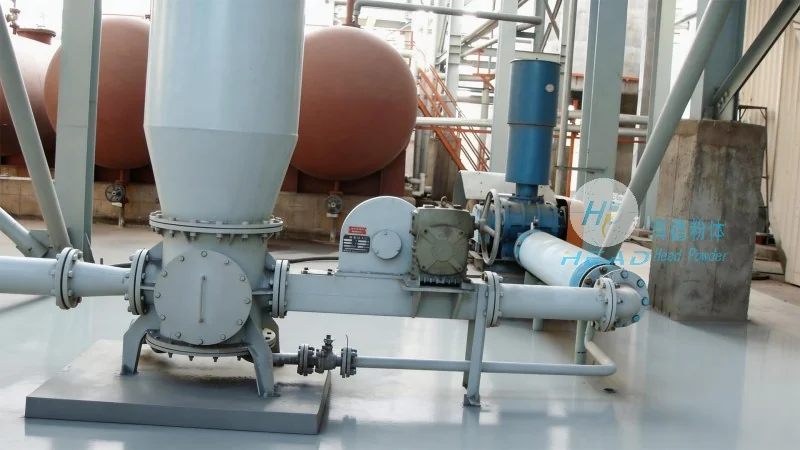
Understanding the Working Principle of Low-Pressure Material Handling Systems
The core working principle of low-pressure material handling systems revolves around the use of gentle pressure differentials to move materials through pipelines or conveyor systems. Unlike high-pressure systems that rely on forceful compression, low-pressure systems employ a more controlled approach, often utilizing vacuum or low-pressure air to create a suction effect that pulls materials forward. This method is particularly effective for handling delicate or sensitive materials, as it minimizes the risk of damage or contamination. The system typically consists of a suction source, a pipeline network, and a discharge mechanism. The suction source generates a low-pressure environment, which draws the material from the source point into the pipeline. As the material travels through the pipeline, it is guided by the design of the system, such as bends, valves, and filters, to reach the discharge point. The discharge mechanism then releases the material at the desired location, completing the cycle. This process is continuous and can be automated to handle high volumes of material with minimal human intervention.
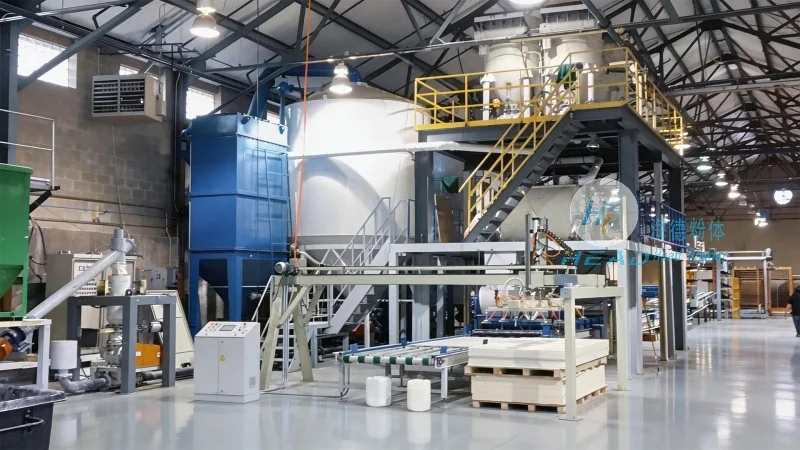
Key Features of Low-Pressure Material Handling Systems
Low-pressure material handling systems are characterized by several distinct features that set them apart from other material handling solutions. One of the primary features is their ability to handle a wide variety of materials, including powders, granules, and bulk solids, without the need for excessive force. This makes them suitable for applications where material integrity is critical, such as in the food and pharmaceutical industries. Another key feature is their energy efficiency. By operating at low pressures, these systems consume less energy compared to high-pressure alternatives, leading to lower operational costs and reduced environmental impact. Additionally, low-pressure systems are generally more cost-effective to install and maintain, as they require less robust equipment and infrastructure. The systems also offer high flexibility in terms of layout and integration, allowing them to be adapted to various production environments. This adaptability is achieved through modular components that can be easily reconfigured to suit changing production needs. Furthermore, low-pressure material handling systems are known for their quiet operation, which is beneficial in environments where noise control is a priority. The gentle movement of materials also reduces wear and tear on equipment, extending the lifespan of the system and minimizing downtime.
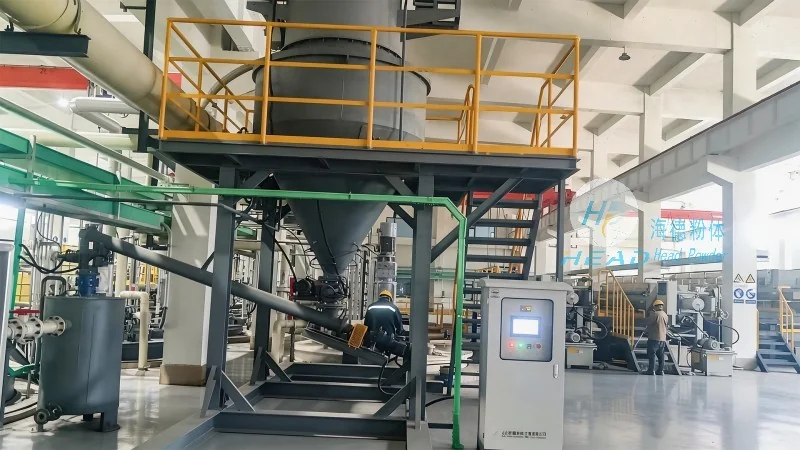
Applications and Benefits in Industrial Settings
Low-pressure material handling systems find extensive applications across various industrial sectors. In the food industry, they are commonly used for transporting ingredients like flour, sugar, and spices, ensuring that the materials remain uncontaminated and intact. In pharmaceutical manufacturing, these systems are crucial for handling active pharmaceutical ingredients (APIs) and other sensitive materials, where precision and cleanliness are non-negotiable. The manufacturing sector also benefits from low-pressure systems, particularly in the handling of raw materials for production lines, such as plastics, metals, and chemicals. Logistics and warehousing operations also utilize these systems for material transfer between storage areas and processing units, enhancing overall workflow efficiency. The benefits of using low-pressure material handling systems extend beyond just material transport. They contribute to improved safety in the workplace by reducing the risk of material spillage and accidents. The gentle handling of materials also minimizes dust generation, which is beneficial for maintaining a clean and healthy working environment. Moreover, these systems help in optimizing space utilization, as they can be installed in compact areas without compromising performance. This is particularly advantageous in industries where floor space is limited, such as in urban manufacturing facilities.
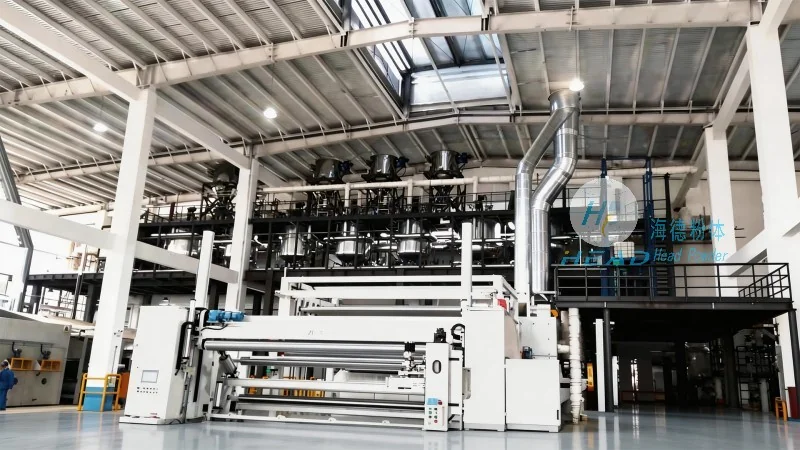
About Shandong HeadPowder Engineering Co., Ltd.
Shandong HeadPowder Engineering Co., Ltd., commonly known as HeadPowder, is a leading provider of low-pressure material handling solutions. With a strong commitment to innovation and quality, the company specializes in designing, manufacturing, and supplying customized material handling systems tailored to the specific needs of its clients. HeadPowder's expertise lies in understanding the unique challenges faced by different industries and developing solutions that address those challenges effectively. The company's team of engineers and technicians works closely with clients to assess their material handling requirements and recommend the most suitable low-pressure system. HeadPowder's systems are built with high-quality materials and components, ensuring durability and reliability in demanding industrial environments. The company adheres to international standards and best practices, ensuring that its products meet the highest quality and safety requirements. HeadPowder's dedication to customer satisfaction is evident in its comprehensive after-sales support, including maintenance services, technical assistance, and system upgrades. By partnering with HeadPowder, industries can enhance their operational efficiency, reduce costs, and improve overall productivity. The company's presence in China, with its strategic location in Shandong, enables it to serve a wide range of clients across the region and beyond, providing timely and effective solutions for material handling needs.